


 Asian Currencies Stay Muted as Dollar Holds Firm Amid Iran Uncertainty
  Asian Markets Rally as Oil Prices Tumble and Middle East Peace Hopes Emerge
  Oil Prices Plunge Over 6% as Middle East Ceasefire Hopes Ease Supply Fears
  Middle East War Rattles Global Markets as Oil Tops $100 and Dollar Surges
  Wall Street Slides as Iran War Uncertainty, Oil Surge, and AI Fears Rattle Markets
  Gold Prices Climb as Middle East Ceasefire Talks Stir Market Optimism
  Japan Eyes Oil Futures Intervention to Stabilize Yen Amid Middle East Crisis
  Bank of Japan Eyes April Rate Hike Despite Inflation Dip, ING Says
  Currency Markets Show Caution Amid U.S.-Iran Negotiations
  Time to buy local: war fuel price shocks reveal the folly of a long food supply chain
  Trump Tariffs Show Minimal Economic Impact but Boost Federal Revenue, Study Finds
  U.S. Stock Futures Steady as Iran Reviews U.S. Ceasefire Proposal
  WTO Reform Talks Begin in Cameroon Amid Global Trade Tensions
  Gold Prices Surge on U.S.-Iran Ceasefire Reports
  ECB Eyes Rate Hike Amid Iran Conflict-Driven Energy Price Surge
  Australia's Inflation Eases in February but Core Pressures Persist


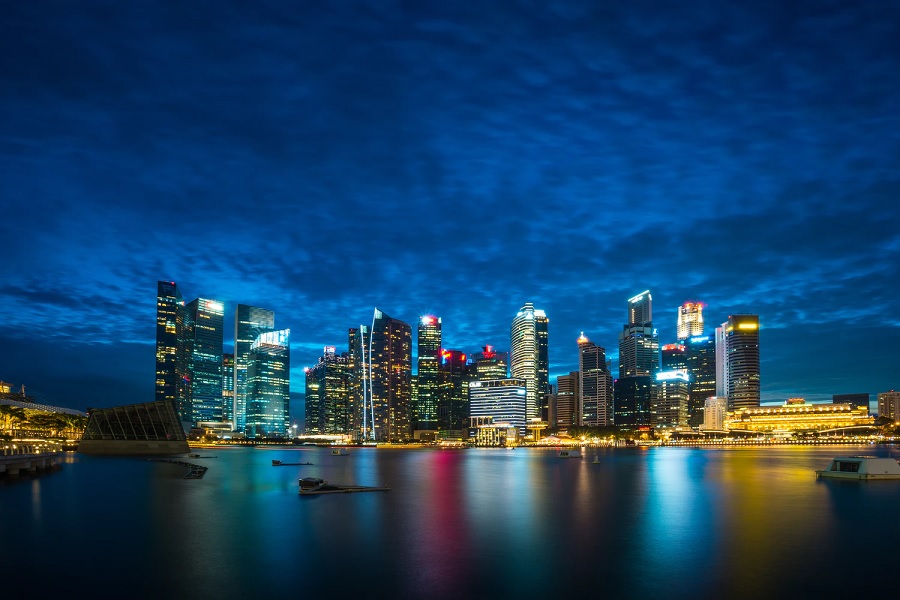
Singapore’s economy saw its worst GDP contraction over the last few decades due to the COVID-19 pandemic in 2020. However, the results were still slightly better than previous forecasts as various sectors show signs of recovery by the latter part of the year.
Singapore’s 2020 GDP contracted by 5.8%
The country’s Ministry of Trade and Industry confirmed on Monday that Singapore’s economy contracted by 5.8% for the entire 2020. This is the worst GDP contraction Singapore has seen for the last 50 years, but it was highly expected following a year afflicted by the COVID-19 pandemic.
While the 2020 GDP contraction was recorded as the worst for decades, it was still a better result than what experts previously estimated. The MTI stated last November that it expected the annual economic decline to reach 6% to 6.5%. The slow recovery observed in the latter part of 2020 is predicted to carry over in 2021.
Singapore’s Circuit Breaker measures helped a stronger, better Q3 2020 economy
In a press release on Jan. 4, the better outcome was attributed to a stronger third-quarter performance following Singapore’s implementation of Circuit Breakers in the first half of 2020. It consisted of stay-at-home orders and led to more relaxed measures from April to June last year.
The circuit breakers also paved the way for the eventual reopening of businesses and public establishments while minimizing health and safety risks amid a continuing pandemic. Singapore then focused on a three-phase plan of reopening its economy in the second half of 2020. That manifested in the recorded economic performance of different sectors.
The construction sector’s economic decline was diminished to 46.2% in the third quarter from 61% in the second quarter. The last quarter of 2020 is expected to paint an even better picture, with advance estimates suggesting the figure could go down to 28.5%. The MTI noted in the same press release that these continuing improvements have resulted from the resumption of construction projects that were halted in the earlier part of 2020.
Singapore Prime Minister Lee Hsien Loong shared an encouraging and prudent message for the New Year. “After our most severe downturn since independence, we look forward to a rebound in 2021,” Lee said. “Economically, we are not yet out of the woods either, but we are beginning to see signs of stabilisation.”







