


 Bank of Japan Officials Signal Continued Interest Rate Hikes Amid Inflation Concerns
  WTO Reform Talks Begin in Cameroon Amid Global Trade Tensions
  Middle East War Rattles Global Markets as Oil Tops $100 and Dollar Surges
  Wall Street Slides as Iran War Uncertainty, Oil Surge, and AI Fears Rattle Markets
  Oil Prices Climb as Iran Reviews U.S. Peace Proposal Amid Middle East Tensions
  Australia's Inflation Eases in February but Core Pressures Persist
  Japan's Private Sector Growth Slows in March Amid Rising Costs and Middle East Uncertainty
  Asian Currencies Weaken as Dollar Rebounds Amid Middle East Uncertainty and Japan Inflation Data
  Oil Prices Rebound as Iran Denies U.S. Talks Amid Gulf War Supply Fears
  Gold Prices Surge on U.S.-Iran Ceasefire Reports
  Currency Markets Show Caution Amid U.S.-Iran Negotiations
  U.S. Stock Futures Steady as Iran Reviews U.S. Ceasefire Proposal
  Australia-EU Free Trade Deal Signed After Years of Negotiations
  Federal Reserve Balance Sheet Reduction: Brookings Research Outlines Possible Path Forward
  Asian Markets Rally as Oil Prices Tumble and Middle East Peace Hopes Emerge
  Asian Currencies Stay Muted as Dollar Holds Firm Amid Iran Uncertainty
  Trump Tariffs Show Minimal Economic Impact but Boost Federal Revenue, Study Finds


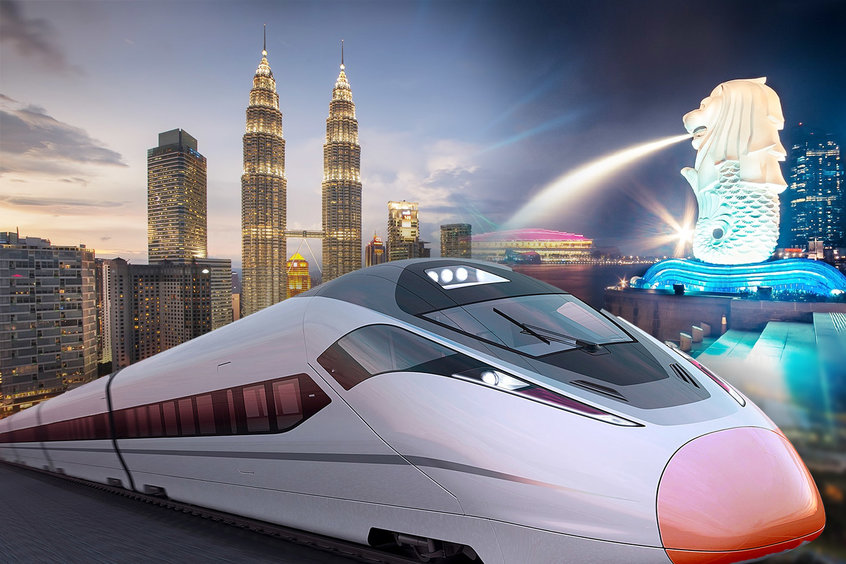
Malaysia may have to pay as much as $125.7 million for costs already incurred by Singapore for a high-speed rail line after the two countries scrapped the project due to disagreement on Malaysia's proposed changes.
The changes became necessary for Malaysia due to the impact of the COVID-19 pandemic on its economy.
The 350-kilometer rail network was expected to cut travel time between Singapore and Kuala Lumpur from four or more hours by car to just 90 minutes.
The two countries signed the bullet train line deal in 2016, but Malaysian Prime Minister Mahathir Mohamad, who was elected two years later, wanted to scrap the project in efforts to review infrastructure projects approved by his predecessor.
Mahathir also wanted to cut Malaysia's debt as he had estimated in 2018 that the railway would cost his country around $27 billion.
Construction was suspended for two years at Malaysia's request, with plans to commence service in 2031.







