


 Japan Targets 1%+ Real Economic Growth With ¥370 Trillion Investment Plan
  US Stock Futures Steady as Investors Await Payrolls Data and Monitor Iran Tensions
  World Bank Approves $1.1 Billion Emergency Funding for Bangladesh Amid Food and Energy Price Pressures
  Oil Prices Slip as U.S.-Iran Peace Talks and Strait of Hormuz Risks Keep Markets on Edge
  Central Banks Eye Gold, Reduce Dollar Exposure as AI Adoption Accelerates: OMFIF Survey
  Trump Threatens 100% Tariffs on Countries Imposing Digital Services Taxes on U.S. Tech Firms
  China Factory PMI Seen Returning to Growth in June as AI Export Demand Supports Economy
  Asian Stocks End Strong Quarter as Dollar Surges, Yen Hits 40-Year Low Ahead of US Jobs Data
  Global Financial Firms Shift Asia Expansion Focus to South Korea as China, India Face Caution
  Canada Grants C$7 Million to Greenland Molybdenum Mine to Strengthen Critical Minerals Supply
  Asian Currencies Stay Range-Bound as Investors Eye China Data, RBNZ Outlook and U.S.-Iran Ceasefire
  Dollar Slips Ahead of Key U.S. Jobs Data as Fed Rate Outlook, ECB, and Iran Talks Shape Forex Markets
  Gold Prices Drop as Fed Rate Outlook and Iran Tensions Weigh on Market
  Gold Price Ends Lower for Fourth Week Despite Rebound as Fed Rate Hike Bets Strengthen
  US Dollar Slips After PCE Inflation Data as Fed Rate Hike Expectations Stay Elevated
  Economic pessimism has set in – but there are reasons for Australians to be hopeful
  Gold Price Hits Annual Low as Fed Rate Hike Bets and Sticky Inflation Weigh on Bullion


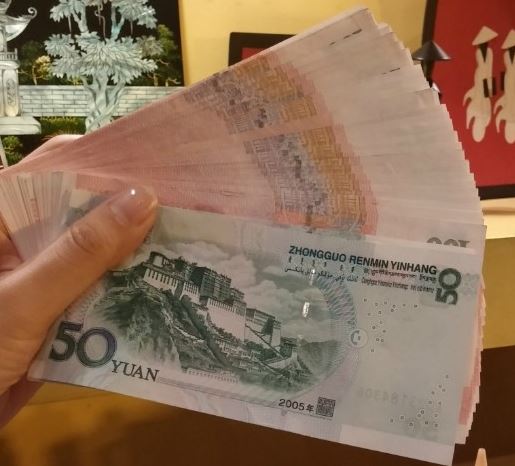
Asian currencies remained largely subdued on Thursday as the U.S. dollar maintained its strength, with investors navigating mixed signals surrounding ongoing Middle East peace efforts. The U.S. Dollar Index held steady during Asian trading hours, extending gains from the previous two sessions driven by continued safe-haven demand. Dollar Index Futures also traded flat as of 00:20 ET.
Markets remained on edge as Iran confirmed it was reviewing a U.S. peace proposal but stopped short of formal acceptance or outright rejection. Tehran publicly denied engaging in direct negotiations with Washington and signaled that significant differences remain unresolved. This ambiguity kept traders cautious, with oil markets remaining relatively quiet throughout the session.
Analysts at MUFG warned that without credible de-escalation or a restoration of normal energy flows through the Strait of Hormuz, elevated oil prices and rising U.S. Treasury yields are likely to keep the dollar well-supported. They also noted that Brent crude prices, though slightly off recent peaks, remain above $100 per barrel, continuing to tilt global inflation risks to the upside and leaving oil-importing Asian economies particularly exposed.
Across the region, currency pairs traded within narrow ranges as investors avoided large positions. The Japanese yen was flat against the dollar, while the South Korean won slipped marginally. The Indian rupee weakened further, with the USD/INR pair climbing 0.3% to 94.15, hovering just below its record high of 94.20 from the prior session. The Chinese yuan and Singapore dollar saw minimal movement, while the Australian dollar edged slightly higher.
Beyond geopolitics, currency markets continued to be shaped by expectations of a prolonged period of elevated U.S. interest rates. The prospect of a higher-for-longer Fed policy stance reinforced the dollar's appeal and capped potential gains across Asian foreign exchange markets.







