


 US to Withdraw 5,000 Troops from Germany Amid Growing Rift with European Allies
  Judge Delays SEC Settlement With Elon Musk Over Twitter Stock Disclosure Case
  Trump Expands Cuba Sanctions Targeting Key Sectors and Foreign Entities
  US Adds European Union to Section 301 Watchlist Amid Trade Concerns
  Pope Leo Calls for Peace as Vatican Seeks Better Ties With U.S.
  CDC Monitors U.S. Travelers After Hantavirus Outbreak on Luxury Cruise Ship
  Qatar LNG Tanker Crosses Strait of Hormuz Amid Iran War Tensions
  U.S. Fast-Tracks $8.6 Billion Arms Sales to Middle East Allies Amid Rising Tensions
  Germany Rejects Putin’s Proposal for Schroeder to Mediate Ukraine Peace Talks
  Japan Tech Stocks Surge as AI Optimism Lifts SoftBank, Chipmakers
  Medicare to Cover GLP-1 Weight-Loss and Diabetes Drugs Starting July 1
  China-Made Fireworks Power U.S. Independence Day Celebrations Amid Trade Truce
  Australia Launches Public Hearings on Bondi Beach Shooting and Rising Antisemitism
  Lula and Trump Talks Signal New Phase in Brazil-US Relations
  Trump-Xi Beijing Summit to Focus on Trade, Taiwan, and Boeing Deal
  U.S.-China Beef Trade Deal Hopes Rise Ahead of Trump-Xi Summit
  Australia’s Wealthy Donors Shift Support to One Nation Amid Conservative Party Decline


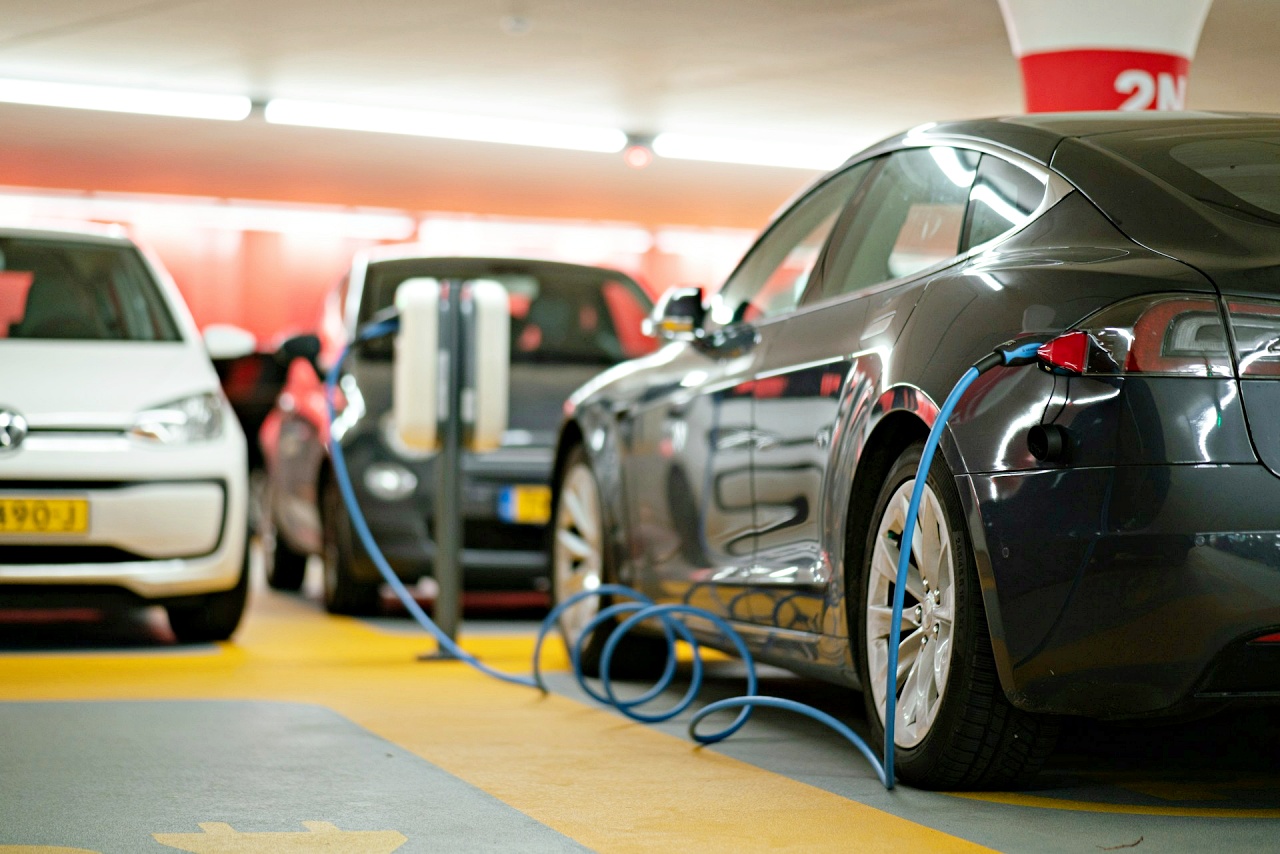
Senate Republicans unveiled a revised tax and budget proposal late Friday that would eliminate key electric vehicle (EV) tax incentives. The new plan calls for ending the $7,500 federal tax credit for new EV purchases and leases on September 30, along with the $4,000 credit for used EVs.
This marks a significant shift from the previous version of the bill, which proposed a 180-day phase-out for credits after the legislation became law. Under the revised plan, tax credits for leased EVs that are not assembled in North America or that fail to meet specific sourcing requirements would be terminated immediately.
The move underscores a broader Republican pushback against the Biden administration’s pro-EV agenda, which aimed to accelerate electric vehicle adoption and reduce carbon emissions through federal incentives. Republicans argue the current subsidies favor higher-income buyers and distort the auto market, while critics say removing the credits could stall progress toward cleaner transportation and impact domestic EV manufacturing.
If enacted, the rollback could have sweeping implications for automakers and consumers alike. Many carmakers, including Tesla, Ford, and GM, have relied on the tax incentives to boost EV sales, while consumers have used the credits to make EV ownership more affordable amid rising vehicle costs.
The proposed legislation is part of a wider GOP strategy to scale back federal spending on clean energy and shift policy focus away from climate-driven investments. Environmental groups and industry stakeholders are expected to challenge the bill, citing its potential to slow down the EV market and hinder U.S. efforts to combat climate change.
With a deadline set for September 30, the debate over EV tax credits is likely to intensify as lawmakers face mounting pressure from both environmental advocates and the auto industry.







