


 Super Micro Shares Slide After Taiwan Raids Over Alleged Nvidia AI Chip Smuggling Probe
  Amazon Prime Day 2026 Sales Top $26.4 Billion as Shoppers Chase Discounts Amid Inflation
  US Supreme Court Strikes Down Hawaii Gun Carry Law on Private Property
  Momenta Launches Hong Kong IPO to Raise Up to $751 Million for AI and Robotaxi Expansion
  SpaceX, Charter Communications Explore Mobile Partnership to Expand Starlink Wireless Service
  Trump Questions Housing Bill as He Prioritizes SAVE America Act
  Firmus Partners With Nvidia to Deliver 170,000 AI GPUs in $30 Billion Cloud Infrastructure Deal
  Italy Investigates Microsoft Over Microsoft 365 AI Subscription Price Hike
  Bolivia Declares State of Emergency as Roadblock Crisis Deepens
  Iran Skips U.S. Technical Talks Over Unmet MoU Conditions and Frozen Funds Dispute
  Australia Sues Amazon Over Prime Video Ads and Subscription Terms
  Andy Burnham Sets Out Vision to Decentralize Britain as Labour Leadership Race Begins
  Supreme Court Backs Lisa Cook, Defends Federal Reserve Independence Against Trump Firing Attempt
  US, Iran Agree to Halt Attacks Ahead of Doha Talks on Strait of Hormuz
  Samsung, SK Hynix to Unveil $1.3 Trillion AI and Semiconductor Investment Plan
  Ukraine Strikes Russian Titan-Barrikady Plant With Long-Range FP-5 Flamingo Missile
  China Expands Export Controls, Adds 20 Japanese Companies to Restricted List


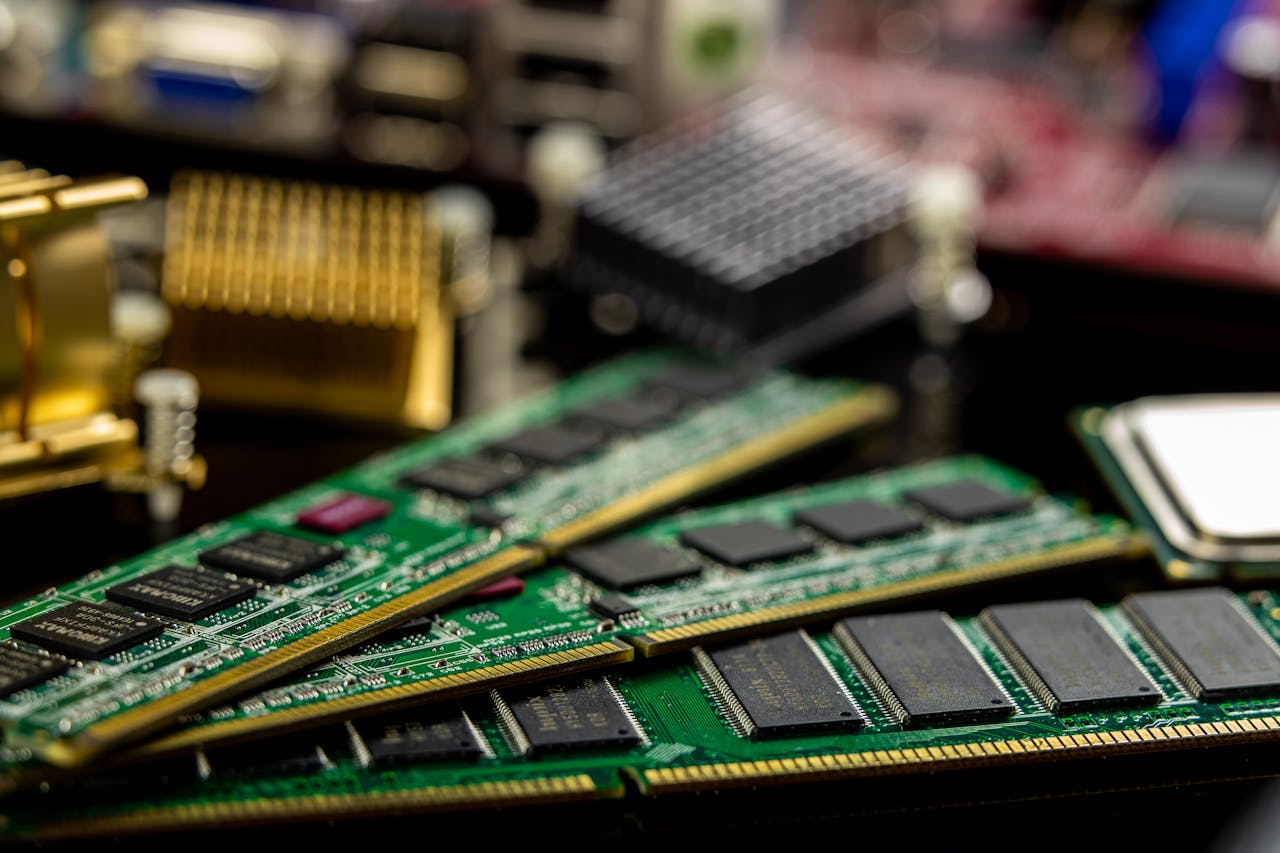
American lawmakers are advancing one of the most aggressive semiconductor export control bills ever proposed. The Multilateral Alignment of Technology Controls on Hardware Act, widely known as the MATCH Act, has drawn sharp attention from Bernstein analysts who describe it as significantly stricter than any prior restriction — one that could effectively lock China's advanced chipmaking capacity at its current level while making it nearly impossible to maintain existing equipment.
At the core of the legislation is a blanket national prohibition on selling advanced immersion Deep Ultraviolet lithography systems to China, covering tools from manufacturers like ASML and Nikon, along with cryogenic etch equipment. What sets this bill apart from earlier measures is its elimination of any remaining licensing workarounds that companies previously relied on. It also invokes the Foreign Direct Product Rule to legally compel allied nations, particularly the Netherlands and Japan, to align their export policies with U.S. standards within 150 days, replacing inconsistent diplomatic agreements with a hard statutory deadline.
Five Chinese companies face the harshest consequences under the bill: SMIC, CXMT, YMTC, Hua Hong, and Huawei. Because these firms are named directly in the legislative text, their restrictions fall outside administrative review. Foreign vendor engineers would be barred from servicing or repairing tools already operating inside these facilities, U.S. personnel would be prohibited from offering any technical support globally, and license applications would be categorically denied with no room for individual case reviews.
Although China's recent $30 billion investment in lithography equipment may sustain some capacity growth through 2027, analysts believe the MATCH Act would ultimately confine future production to older 65/55nm process nodes. The legislation could also push Beijing to accelerate domestic chipmaking alternatives, though likely at the expense of production yields and overall efficiency.







