


 Daikin Industries Stock Surges 14% After Elliott Investment Management Discloses Major Stake
  JAPEX Shares Drop as Middle East Tensions Drive LNG Costs and Production Risks
  Anthropic CEO Meets Trump Officials to Discuss Powerful New AI Model Mythos
  Trump Fires Attorney General Pam Bondi Over Epstein Files and Slow Prosecutions
  Australia's Social Media Ban for Under-16s Sparks Global Movement
  Federal Judge Dismisses DOJ Lawsuit Attempting to Block Hawaii's Climate Case Against Oil Giants
  U.S. Automakers Push Back Against EU Rules Blocking American Trucks from European Market
  Anthropic Fights Pentagon Blacklisting in Dual Federal Court Battles
  Australia Extends Fuel Sulphur Relaxation Amid Iran War Supply Disruptions
  How Technology Is Reshaping Modern Business: From Operations to Customer Experience
  Trump Expands Tariffs on Pharmaceuticals and Metals One Year After Liberation Day
  Nidec Stock Rises After Accounting Probe Report Eases Delisting Concerns
  Greg Abel Sells Berkshire Hathaway Stocks Managed by Former Investment Manager Todd Combs
  U.S. Arrests Soleimani's Relatives After Green Cards Revoked
  U.S. Sanctions Mexican Human Rights Activist Over Alleged Cartel Ties
  OpenAI's $20 Billion Cerebras Deal Signals Massive AI Infrastructure Push
  Netflix Q2 Profit Warning Sends Shares Tumbling as Reed Hastings Exits


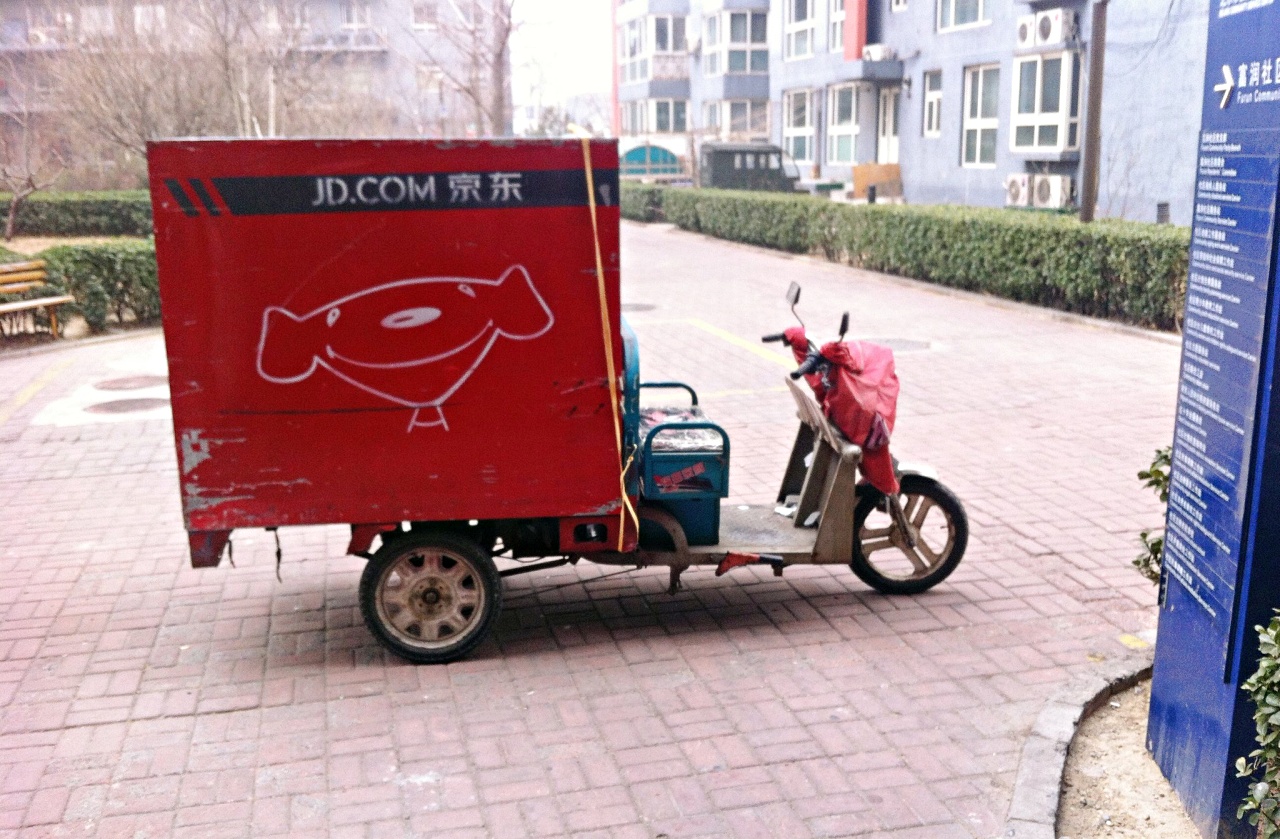
Chinese food delivery stocks showed a muted performance on Monday after regulators imposed significant penalties on major online platforms over violations linked to so-called “ghost deliveries.” The move has raised concerns about tighter regulatory scrutiny in China’s rapidly expanding food delivery and instant retail sector.
China’s market regulator announced fines and confiscations totaling 3.6 billion yuan (approximately $527 million) targeting key industry players, including Meituan, JD.com, and Alibaba’s food delivery business. The penalties were issued due to breaches involving food safety standards and consumer protection laws, highlighting ongoing compliance issues within the sector.
Investor sentiment reacted cautiously to the news. Shares of Meituan, listed in Hong Kong under HK:3690, declined by 1.4%, while JD.com (HK:9618) slipped 0.4%. This underperformance came despite a broader market upswing, with the Hang Seng Index rising nearly 1% during the same session. Meanwhile, Alibaba Group (HK:9988) managed to buck the trend, posting a modest gain of 1.3%.
Regulators uncovered several problematic practices during the investigation. Platforms were found to have inadequately verified vendor licenses, allowing unregistered “ghost kitchens” or “ghost shops” to operate within their ecosystems. In some instances, food orders were fulfilled by unverified vendors or transferred between merchants without customer consent, raising serious concerns about transparency, food safety, and consumer trust.
Authorities also highlighted issues where orders were reassigned without notifying customers, undermining platform accountability. These findings point to systemic weaknesses in how major delivery platforms monitor third-party vendors.
The scale of the penalties signals Beijing’s increasing focus on regulating the “instant retail” industry, a fast-growing segment driven by intense competition and rapid expansion. As regulators tighten oversight, companies in China’s food delivery market may face higher compliance costs and stricter operational standards.
For investors and industry stakeholders, this development underscores the importance of regulatory risk in China’s tech-driven consumer services sector, particularly as authorities continue to prioritize consumer protection and market transparency.







