


 Medicare to Cover GLP-1 Weight-Loss and Diabetes Drugs Starting July 1
  New York Moves to Ban Masked Law Enforcement During Immigration Operations
  China EV Truck Boom Accelerates as Iran War Drives Diesel Prices Higher
  Ukraine-Russia Ceasefire Confirmed as Prisoner Swap Deal Advances
  Australia’s Wealthy Donors Shift Support to One Nation Amid Conservative Party Decline
  Japan Tech Stocks Surge as AI Optimism Lifts SoftBank, Chipmakers
  Judge Delays SEC Settlement With Elon Musk Over Twitter Stock Disclosure Case
  Russian LNG Shadow Fleet Expands Amid Arctic LNG 2 Sanctions
  Trump Administration Releases New UFO Files and Apollo Mission Records
  Qatar Condemns Drone Strike as Iran Conflict Threatens Gulf Shipping and Global Markets
  Senate Stablecoin Bill Sparks Clash Between Banks and Crypto Industry
  Rubio Presses Italy Over Iran Support as Tensions Test U.S.-Italy Alliance
  CDC Monitors U.S. Travelers After Hantavirus Outbreak on Luxury Cruise Ship
  European Stocks Edge Higher as Iran-U.S. Peace Talks Boost Market Sentiment
  Israeli Strikes in Gaza Kill Three as Ceasefire Tensions Continue
  Vietnam Plans AI-Driven Propaganda Push With Influencers and Podcasts
  U.S.-China Beef Trade Deal Hopes Rise Ahead of Trump-Xi Summit


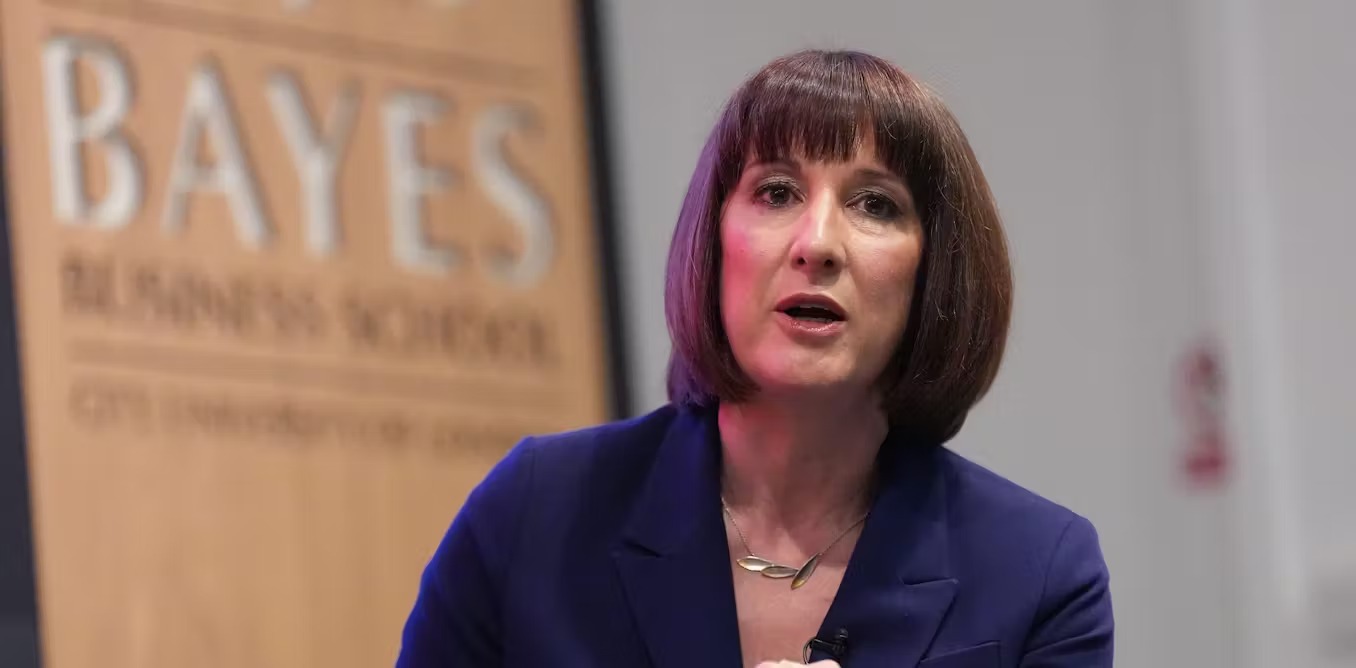
U.K. Chancellor Rachel Reeves is under increasing fiscal pressure following a major policy reversal on welfare cuts, which may wipe out her estimated £10 billion budgetary buffer. The sudden U-turn triggered a sell-off in the gilt market, fueled by investor concerns over the government’s fiscal stability. Despite speculation, the Prime Minister’s office has publicly affirmed its support for Reeves.
Bank of America analysts say Reeves' continued leadership would likely reassure financial markets that fiscal discipline will remain intact. However, BofA estimates that the combined cost of scrapping welfare cuts and changing winter fuel payments has already eroded around £6.25 billion of fiscal headroom.
Further pressure is expected as the Office for Budget Responsibility (OBR) prepares to revise its economic outlook. The OBR admitted this week that its past growth forecasts may have been too optimistic, signaling that upcoming GDP downgrades are likely. According to BofA, these could average a 10-20 basis point reduction across the forecast period, significantly impacting revenue projections and increasing the fiscal gap.
In total, BofA forecasts that headroom could shrink by as much as £20–30 billion when factoring in policy shifts and slower growth, effectively turning a modest surplus into a deficit. To stabilize the fiscal outlook, BofA believes Reeves will likely pursue fiscal consolidation—mainly through tax hikes, as deeper spending cuts are politically risky following internal pushback on welfare reforms.
This evolving situation places the Chancellor at the center of the U.K.’s economic future, as she balances investor confidence, political fallout, and the need to maintain credible fiscal policy amid growing economic headwinds.







