


 Trump Administration Releases New UFO Files and Apollo Mission Records
  U.S.-China Beef Trade Deal Hopes Rise Ahead of Trump-Xi Summit
  Judge Rules DOGE Humanities Grant Cuts Unconstitutional
  US-Iran Ceasefire Under Pressure as Fresh Strait of Hormuz Clashes Shake Oil Markets
  Mexico President Claudia Sheinbaum Reconsiders Early School Closure Plan Ahead of 2026 World Cup
  Russia Downs Over 50 Drones Near Moscow Ahead of Victory Day Ceasefire
  Trump Reportedly Approves Plan to Remove FDA Commissioner Marty Makary Amid Growing Controversies
  Israel’s Secret Iraq Base Allegedly Supported Iran Air Campaign, WSJ Reports
  Trump Inspects Lincoln Memorial Reflecting Pool Renovation in Washington
  Judge Delays SEC Settlement With Elon Musk Over Twitter Stock Disclosure Case
  Vietnam Plans AI-Driven Propaganda Push With Influencers and Podcasts
  Trump Invites Top CEOs Including Nvidia, Apple, Boeing to China Summit With Xi Jinping
  Trump Says U.S. Navy Destroyers Passed Strait of Hormuz Under Iranian Fire
  Iran Accuses U.S. of Violating Strait of Hormuz Ceasefire with Ship and Coastal Attacks
  Pope Leo Calls for Peace as Vatican Seeks Better Ties With U.S.
  Rubio Presses Italy Over Iran Support as Tensions Test U.S.-Italy Alliance
  Lula and Trump Talks Signal New Phase in Brazil-US Relations


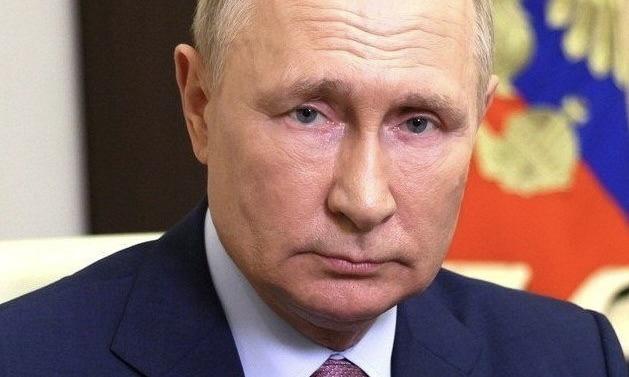
Russian President Vladimir Putin has publicly acknowledged a significant security lapse following the assassination of General Igor Kirillov, the head of Russia’s military chemical weapons unit. The rare admission of failure highlights vulnerabilities in the nation’s intelligence apparatus amid ongoing conflict with Ukraine.
General Kirillov’s Assassination Shakes Moscow
Kirillov was killed on Tuesday in a bombing described as Ukraine’s most audacious act of retaliation since the war began. According to Russian investigators, explosives were hidden in an electric scooter near the entrance of a residential building in Moscow. The device detonated as Kirillov and his assistant exited the building, killing both.
Kyiv quickly claimed responsibility for the attack, with a source in Ukraine’s SBU security services labeling Kirillov a “legitimate target.” The official accused him of overseeing the deployment of banned chemical weapons on the eastern Ukrainian frontline.
Russian authorities have detained a 29-year-old Uzbek national suspected of carrying out the bombing. The Investigative Committee reported that the suspect allegedly admitted to being recruited by Ukrainian special forces.
Putin’s Rare Admission of Security Failures
During his annual end-of-year press conference on Thursday, Putin addressed the incident, acknowledging deficiencies in Russia’s intelligence operations. “Our special services are missing these hits. It means we need to improve this work. We must not allow such serious blunders to happen,” he stated.
Putin’s admission comes amid a growing number of high-profile attacks on Kremlin-linked figures. Previous incidents include the August 2022 car bombing of nationalist Darya Dugina and the April 2023 explosion in a Saint Petersburg café that killed military correspondent Vladlen Tatarsky. Both were attributed to Ukrainian operatives, signaling Kyiv’s increasing reach within Russian borders.
Criticism of Russian Security Protocols
The assassination has raised questions in Moscow about the effectiveness of security measures for high-ranking officials directly involved in the war effort. Analysts have pointed to systemic weaknesses within Russian intelligence agencies, which have struggled to counter escalating attacks on home soil.
Putin’s acknowledgment of these vulnerabilities marks a shift in rhetoric from the Kremlin, which has traditionally downplayed security lapses. Critics argue that the Russian president is facing mounting pressure to address domestic threats as public confidence in state institutions erodes.
Public Reaction on Social Media
The high-profile assassination and Putin’s comments have sparked intense debate on social media platforms. Twitter user @RussiaObserver wrote, “Putin admitting a failure in intelligence is unprecedented. This reflects deeper systemic issues in the Kremlin.” Conversely, @ProKremlinVoice defended the government, stating, “Such attacks are acts of terrorism, and Ukraine’s actions will only strengthen Russia’s resolve.”
Meanwhile, @UkraineWatcher commented, “Kyiv’s ability to strike deep inside Moscow is a game-changer. Russia must rethink its security strategy.” User @SecurityAnalyst noted, “This assassination exposes the vulnerabilities of Russian elites. It’s a turning point in the conflict.”
On the other hand, @PeaceAdvocate tweeted, “Escalation on both sides will only prolong the suffering. Diplomacy must prevail before more lives are lost.” Finally, @WarUpdates2024 remarked, “These targeted attacks show the extent of Ukraine’s resolve. Russia’s internal stability is now under question.”
Conclusion
The assassination of General Kirillov has intensified scrutiny on Russia’s intelligence capabilities and heightened tensions between Moscow and Kyiv. As both nations escalate their strategies, the conflict shows no signs of abating, leaving profound implications for regional security and international stability.







