


 Trump Endorses Japan’s Sanae Takaichi Ahead of Crucial Election Amid Market and China Tensions
  New York Legalizes Medical Aid in Dying for Terminally Ill Patients
  Norway Opens Corruption Probe Into Former PM and Nobel Committee Chair Thorbjoern Jagland Over Epstein Links
  Trump Allegedly Sought Airport, Penn Station Renaming in Exchange for Hudson River Tunnel Funding
  Ohio Man Indicted for Alleged Threat Against Vice President JD Vance, Faces Additional Federal Charges
  Japan Election 2026: Sanae Takaichi Poised for Landslide Win Despite Record Snowfall
  Trump’s Inflation Claims Clash With Voters’ Cost-of-Living Reality
  Trump Signs “America First Arms Transfer Strategy” to Prioritize U.S. Weapons Sales
  U.S. to Begin Paying UN Dues as Financial Crisis Spurs Push for Reforms
  Trump Lifts 25% Tariff on Indian Goods in Strategic U.S.–India Trade and Energy Deal
  U.S. Lawmakers to Review Unredacted Jeffrey Epstein DOJ Files Starting Monday
  US Pushes Ukraine-Russia Peace Talks Before Summer Amid Escalating Attacks
  Iran–U.S. Nuclear Talks in Oman Face Major Hurdles Amid Rising Regional Tensions
  U.S. Announces Additional $6 Million in Humanitarian Aid to Cuba Amid Oil Sanctions and Fuel Shortages
  Netanyahu to Meet Trump in Washington as Iran Nuclear Talks Intensify
  India–U.S. Interim Trade Pact Cuts Auto Tariffs but Leaves Tesla Out
  Nicaragua Ends Visa-Free Entry for Cubans, Disrupting Key Migration Route to the U.S.


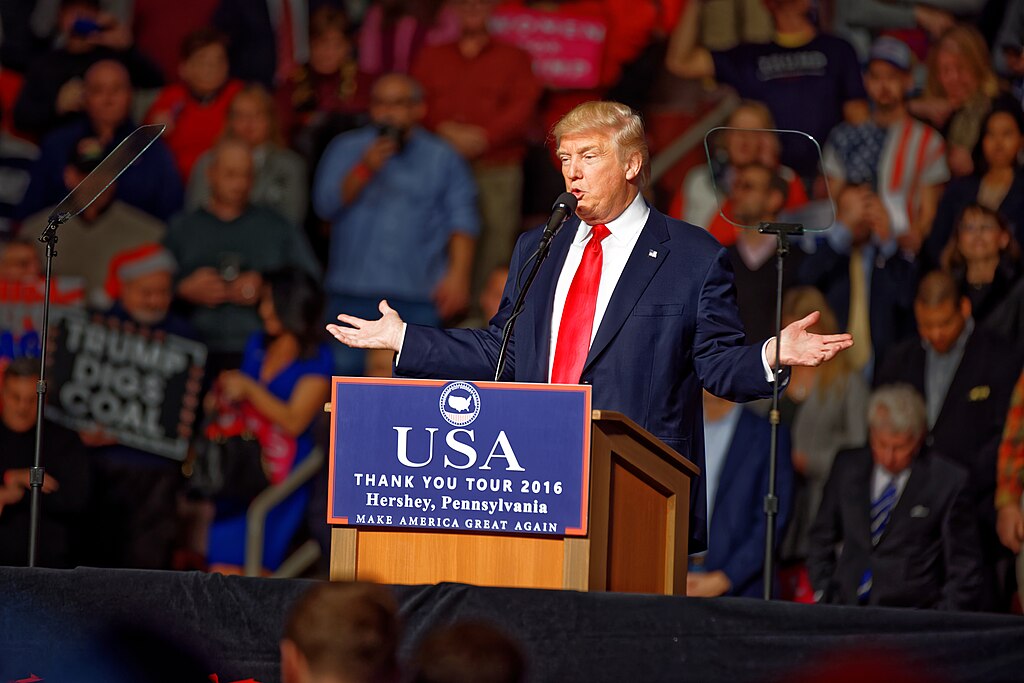
President-elect Donald Trump has announced plans to implement stringent voting requirements, including mandatory voter identification and proof of citizenship, in upcoming elections. This initiative aims to enhance election integrity and prevent voter fraud.
Proposed Election Reforms
During a recent event, Trump outlined his vision for overhauling the U.S. electoral system. He advocated for the introduction of paper ballots, single-day voting, and the elimination of mail-in ballots. Central to his proposal is the enforcement of voter ID laws and the requirement for voters to provide proof of citizenship.
Trump criticized states like California, where voter ID is not mandated, suggesting that such policies undermine election security. He stated, "We want to have paper ballots, one-day voting, voter ID, and proof of citizenship."
Legal and Practical Challenges
Implementing these proposed changes faces significant obstacles. The U.S. election system is highly decentralized, with states holding primary authority over election administration. This structure limits the federal government's capacity to unilaterally impose nationwide voting requirements.
Additionally, critics argue that such measures could disenfranchise eligible voters, particularly among marginalized communities. Research indicates that instances of noncitizen voting are exceedingly rare, calling into question the necessity of stringent proof-of-citizenship laws.
Public Reaction and Social Media Buzz
The announcement has elicited a wide range of reactions on social media platforms. Twitter user @PatriotGuard expressed support, stating, "Ensuring only citizens vote is essential for fair elections. This is a step in the right direction." Conversely, @CivilRightsAdvocate voiced concern: "These measures will suppress voter turnout and disproportionately affect minority communities."
User @ElectionLawProf noted, "Implementing nationwide voter ID and proof of citizenship requirements presents significant legal challenges given state control over elections." Meanwhile, @DemocracyWatchdog tweeted, "There's little evidence of widespread noncitizen voting; this seems like a solution in search of a problem."
On the other hand, @SecureElectionsNow warned, "Without strict voter ID laws, our election integrity remains at risk. It's time for reform." Finally, @VoterAccessNow shared, "We must balance election security with ensuring all eligible voters can exercise their rights without undue burden."
Conclusion
As the incoming administration prepares to assume office, the debate over election integrity measures, including voter ID and proof of citizenship requirements, is poised to intensify. Balancing the prevention of voter fraud with the protection of voter access remains a contentious issue, with legal, practical, and ethical considerations at the forefront of the discussion.













