


 RBA Hikes Interest Rate to 4.60% as Inflation Risks Rise
  Asian Currencies Mixed as Yen Slides on BOJ Rate Signals
  US Treasury Bond Buybacks Fall Short Despite Expanded $6 Billion Cap
  BOJ Flags Import Costs and Yen Shocks as Persistent Inflation Risks
  Gold Plunges 4% as Treasury Yields Surge and Fed Rate Hike Bets Rise
  Australia Trade Surplus Shrinks Sharply as Imports Surge
  Fed’s Hammack Says Bond Yield Surge Is Not Driven by Inflation Fears
  Gold Rebounds as Oil Falls and Treasury Rout Eases
  BOJ Signals Faster Rate Hikes as Inflation Risks Grow
  Japan Factory Output Unexpectedly Falls 1.7% in August
  Fed Rate Hike Threatens Housing as U.S. Growth Leans on AI, Citi Says
  Trump Demands Powell Resign Over Fed Renovation Cost Overruns
  Oil Prices Slide as Middle East Flows Recover


 Add as a preferred source on Google
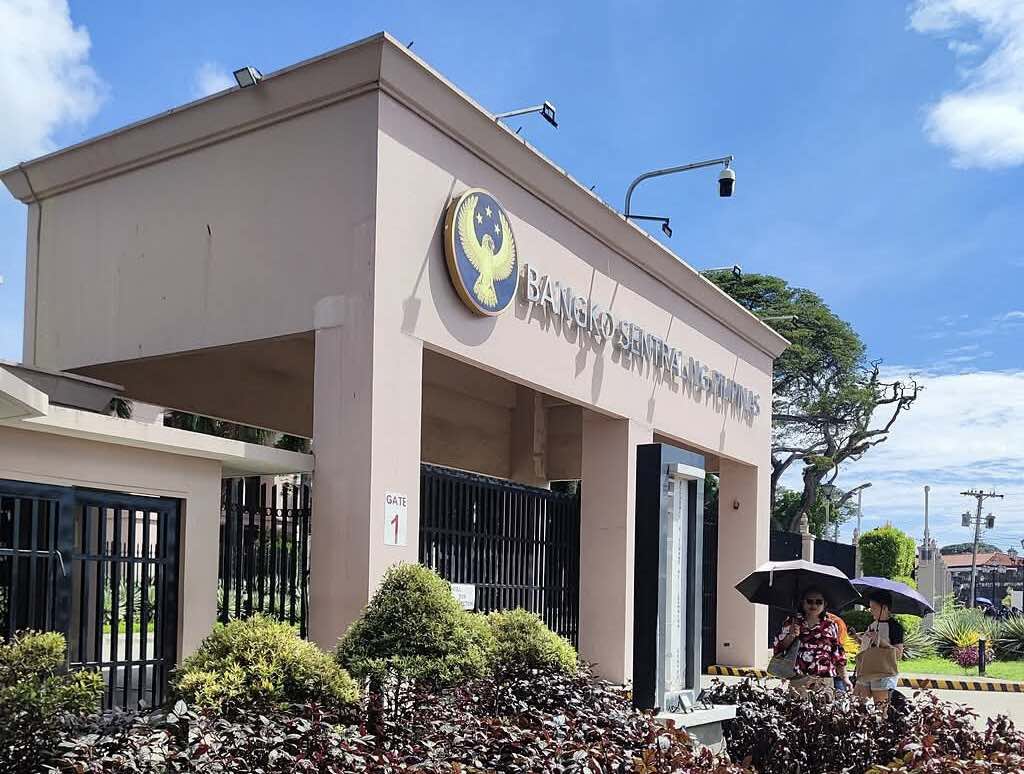
The Philippines recorded a $2 billion balance of payments (BOP) deficit in March 2025, reversing a $3.1 billion surplus in February, according to the Bangko Sentral ng Pilipinas (BSP). This shift pushed the country’s cumulative BOP position for the first quarter to a $3 billion deficit.
The BOP summarizes the country’s economic transactions with the rest of the world, including trade, investments, and remittances. A deficit indicates that more dollars flowed out of the country than came in during the period. The March deficit suggests increased foreign currency outflows, possibly due to import payments, debt servicing, or capital repatriation.
Despite the weak first-quarter performance, the BSP maintains its forecast of a $2.1 billion surplus for the full year 2025. This optimism likely reflects expectations of stronger exports, higher remittance inflows, and improved foreign direct investment later in the year.
Analysts note that the BOP outlook remains sensitive to global economic conditions, oil price volatility, and interest rate trends in the U.S. and other major economies. Sustained BOP deficits could pressure the Philippine peso and reduce the country’s foreign reserves, potentially impacting investor confidence and monetary policy decisions.
The central bank continues to monitor external developments closely and has reiterated its commitment to maintaining financial stability. The BOP report is a key economic indicator watched by investors, credit agencies, and policymakers to gauge the country's external sector health.
As of now, the government is navigating a delicate balancing act—supporting domestic growth while managing external vulnerabilities. Whether the Philippines can swing back to a BOP surplus by year-end remains to be seen.







