


 US Revises UN Resolution on Iran Strait of Hormuz Attacks Amid Russia-China Opposition
  Medicare to Cover GLP-1 Weight-Loss and Diabetes Drugs Starting July 1
  Rubio Presses Italy Over Iran Support as Tensions Test U.S.-Italy Alliance
  U.S.-China Beef Trade Deal Hopes Rise Ahead of Trump-Xi Summit
  US Launches Retaliatory Strikes on Iran Amid Rising Strait of Hormuz Tensions
  China Banks Halt New Loans to Sanctioned Refineries Amid U.S.-Iran Oil Crackdown
  Australia Launches Public Hearings on Bondi Beach Shooting and Rising Antisemitism
  US to Withdraw 5,000 Troops from Germany Amid Growing Rift with European Allies
  New York Moves to Ban Masked Law Enforcement During Immigration Operations
  Trump Administration Dismisses Entire National Science Board, Raising Concerns Over Scientific Independence
  Australia’s Wealthy Donors Shift Support to One Nation Amid Conservative Party Decline
  Iran Accuses U.S. of Violating Strait of Hormuz Ceasefire with Ship and Coastal Attacks
  China-Made Fireworks Power U.S. Independence Day Celebrations Amid Trade Truce
  Senate Stablecoin Bill Sparks Clash Between Banks and Crypto Industry
  Trump Says U.S. Navy Destroyers Passed Strait of Hormuz Under Iranian Fire
  Mexico President Claudia Sheinbaum Reconsiders Early School Closure Plan Ahead of 2026 World Cup
  Trump-Xi Beijing Summit to Focus on Trade, Taiwan, and Boeing Deal


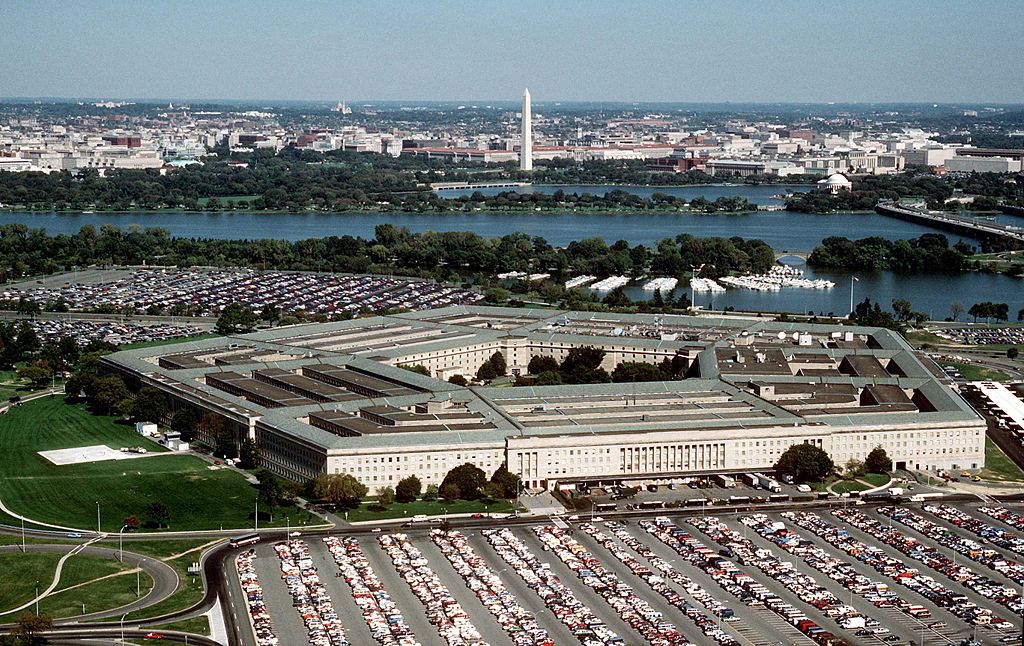
Top Republican lawmakers overseeing the Pentagon have expressed concerns over potential changes in U.S. military commands under the Trump administration. Senator Roger Wicker and Representative Mike Rogers issued a rare joint statement warning against adjustments to America’s warfighting structure without proper coordination.
Reports suggest the administration is considering relinquishing the U.S. role as NATO’s Supreme Allied Commander Europe (SACEUR), a position held exclusively by a four-star U.S. general since 1950. The move, reportedly part of a cost-cutting plan to consolidate military commands, could significantly impact American deterrence and NATO’s stability.
Sources familiar with the matter say discussions have taken place, but no final decision has been made. NBC News first reported the possibility, sparking concerns that such a shift would further weaken U.S. commitments to European security. Trump's foreign policy, particularly his approach to Russia and NATO, has already unsettled allies, and stepping back from a key leadership role would likely intensify doubts about U.S. support.
Wicker and Rogers emphasized that any significant structural changes must undergo a rigorous interagency process with input from combatant commanders, the Joint Staff, and Congress. They cautioned that unilateral decisions could weaken U.S. negotiating power and global military strategy.
Trump has previously criticized NATO allies for not contributing enough to defense spending, and this potential shake-up aligns with his broader push to reduce U.S. military expenditures abroad. However, shifting away from European security responsibilities could have lasting geopolitical consequences.
While discussions are ongoing, the lack of an imminent announcement leaves NATO allies on edge. The final decision could redefine America’s role in European defense and reshape global military dynamics.







