


 Yen in Focus as BOJ, Fed Rate Hikes Reshape Currency Markets
  Central Banks Could Buy 20,000 Tonnes of Gold: BofA
  BOJ Raises Interest Rate to 31-Year High as Yen Weakens
  RBA Says ASX Still Falls Short on Governance and Risk Controls
  Bitcoin Futures Open Interest Plunges 49,000 BTC in Biggest Drop Since 2025
  Fed Rate Hike Threatens Housing as U.S. Growth Leans on AI, Citi Says
  Pi Network Price Holds $0.087 as Protocol 28 Mainnet Upgrade Nears
  Fed’s Hammack Says Bond Yield Surge Is Not Driven by Inflation Fears
  South Korea Exports Set for 16th Monthly Gain on AI Chip Demand
  Europe’s AI Data Centre Boom Strengthens Case for Nuclear Power
  Japan Warns Markets Over Yen Weakness
  Bitget Restores Withdrawals After $388 Million Security Breach
  QNT Surges as Bitcoin Exchange Outflows Signal Crypto Shift


 Add as a preferred source on Google
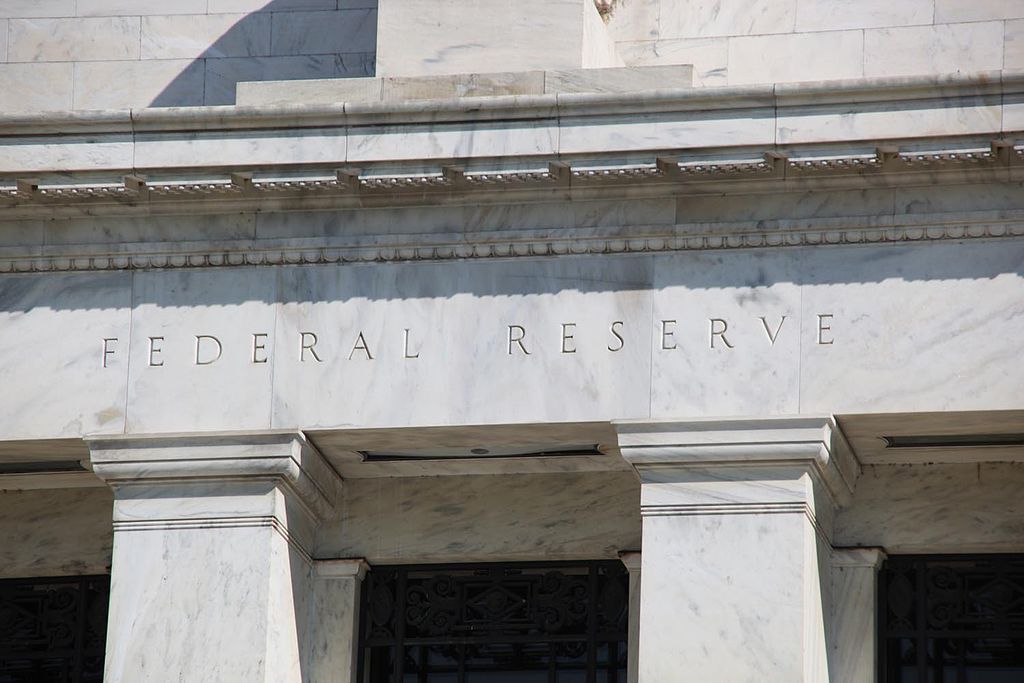
Morgan Stanley believes the Federal Reserve will push forward with interest rate cuts in 2026, even as rising oil prices temporarily inflate headline inflation figures. According to the bank's analysts, the current energy-driven price surge is unlikely to derail the broader disinflation trend that policymakers have been carefully nurturing.
Central to Morgan Stanley's outlook is the distinction between short-term and long-term inflation expectations. While near-term gauges have climbed in response to higher energy costs, long-run expectations — the metric the Fed monitors most closely — remain anchored near pre-pandemic levels. This signals that the central bank's credibility on inflation control is still holding firm, giving policymakers room to maneuver without abandoning their easing plans.
The bank also points out that core inflation, which strips out volatile food and energy components, is showing limited sensitivity to the oil price spike. As a result, the Fed is expected to treat the current energy shock as transitory and effectively "look through" it, so long as underlying inflation continues to trend in the right direction.
Another factor supporting rate cuts is the significant tightening in financial conditions that has already occurred. Morgan Stanley estimates that the combined effects of a stronger U.S. dollar, elevated oil prices, and rising equity risk premiums are equivalent to roughly an 80 basis point rate increase — reducing the urgency for the Fed to act more aggressively through its own policy tools.
Given this environment, Morgan Stanley projects two 25-basis-point rate cuts in the second half of 2026, which would bring the federal funds rate down to a range of 3.0%–3.25%. The forecast assumes continued cooling in underlying inflation alongside moderating economic growth.
The primary risk to this outlook remains a sustained increase in long-term inflation expectations. Should energy prices begin driving broader price-setting behavior across the economy, the Fed may have little choice but to hold rates higher for longer than currently anticipated.







