


 Russian LNG Shadow Fleet Expands Amid Arctic LNG 2 Sanctions
  U.S. Sanctions Former DR Congo President Joseph Kabila Over Rebel Support
  Trump Reportedly Approves Plan to Remove FDA Commissioner Marty Makary Amid Growing Controversies
  U.S. Budget Airlines Seek $2.5 Billion Government Aid Amid Rising Jet Fuel Costs
  Google Secures Pentagon AI Deal for Classified Projects
  Lula and Trump Talks Signal New Phase in Brazil-US Relations
  U.S. Flags Vietnam as “Priority Foreign Country” Over Intellectual Property Concerns
  Trump Inspects Lincoln Memorial Reflecting Pool Renovation in Washington
  CDC Monitors U.S. Travelers After Hantavirus Outbreak on Luxury Cruise Ship
  U.S. Fast-Tracks $8.6 Billion Arms Sales to Middle East Allies Amid Rising Tensions
  Trump Administration Dismisses Entire National Science Board, Sparking Debate Over Scientific Independence
  US Sanctions Target Iran’s Shadow Banking Network and Terror Financing
  Trump Announces Russia-Ukraine Ceasefire for May 9-11 Amid Ongoing Peace Talks
  US House Advances $70 Billion Immigration Enforcement Budget Plan
  US Launches Retaliatory Strikes on Iran Amid Rising Strait of Hormuz Tensions
  Trump Expands Cuba Sanctions Targeting Key Sectors and Foreign Entities


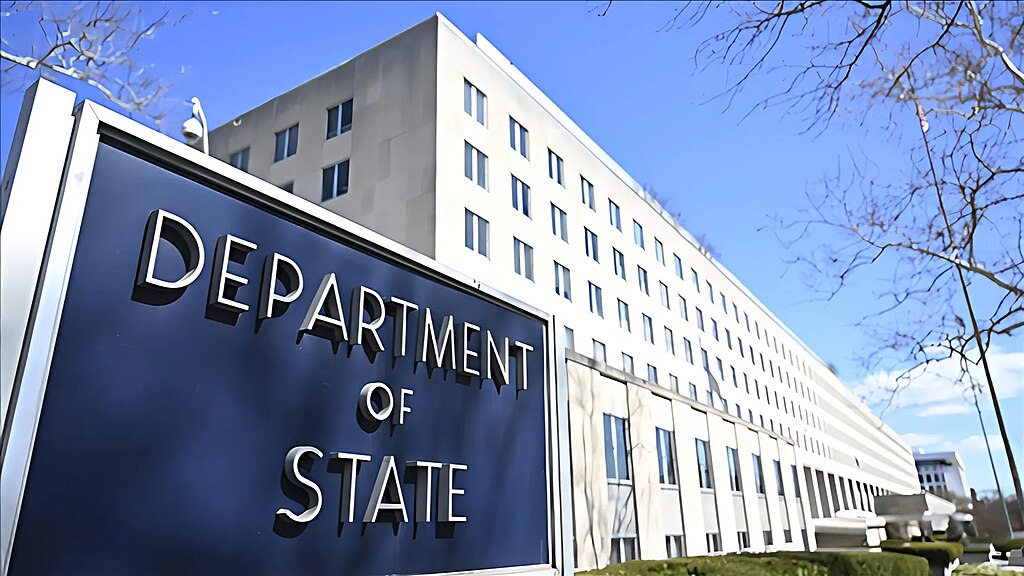
Palau has agreed to accept up to 75 migrants transferred from the United States after signing a memorandum of understanding (MOU) with Washington, a move that has drawn international attention amid ongoing debate over U.S. immigration policies. The agreement allows the Pacific Island nation to host third-country nationals who have not been charged with crimes, in exchange for increased U.S. financial and technical assistance.
The announcement followed a phone call between U.S. Deputy Secretary of State Christopher Landau and Palau President Surangel Whipps, during which both sides discussed the transfer arrangement. This development comes despite Palau’s lawmakers previously rejecting a similar U.S. request earlier this year, citing national capacity and political concerns.
Under the MOU, the migrants will be permitted to live and work in Palau, a country of around 17,000 people that faces persistent labor shortages in key sectors. Palau’s presidential office stated that the initiative would help fill critical workforce gaps while ensuring migrants are legally employed and integrated into local communities.
In return, the United States has committed $7.5 million to support Palau’s public services impacted by the agreement. Additional assistance includes $2 million to provide security advisors and $6 million earmarked for reforms to Palau’s civil service pension system, according to the U.S. State Department.
The agreement comes as President Donald Trump’s immigration enforcement strategy continues to face criticism from human rights advocates and religious leaders. The administration has expanded the practice of deporting migrants to third countries where they have no prior ties, a policy critics argue undermines due process protections. U.S. Catholic bishops and Pope Leo XIV have publicly condemned the treatment of migrants, raising moral and humanitarian concerns.
Legal challenges also persist. Recently, a federal judge indicated openness to ruling again against the administration’s ability to rapidly deport migrants to countries other than their own without providing meaningful notice or opportunities to claim fear of persecution or torture.
Palau, which is not a signatory to the 1951 UN Refugee Convention, maintains a Compact of Free Association with the United States that grants Washington military access in exchange for economic assistance. The latest agreement highlights how immigration policy, foreign aid, and regional security continue to intersect in U.S.–Pacific relations.







