


 Gold Price Ends Lower for Fourth Week Despite Rebound as Fed Rate Hike Bets Strengthen
  Open-Source AI Models Gain Ground as Enterprises Seek Lower-Cost Alternatives, Citi Says
  Part II — The listing: NFTs as bottle-stamps, and a vault the family is in no rush to sell
  Despite its best efforts, Iran won’t be able to toll the Strait of Hormuz. Here’s why
  Yen Falls to 40-Year Low as Markets Watch Japan Intervention and U.S. Jobs Report
  Global Financial Firms Shift Asia Expansion Focus to South Korea as China, India Face Caution
  Oil Prices Rise as US-Iran Tensions Threaten Strait of Hormuz Oil Shipments
  US Stock Futures Rise as US-Iran Ceasefire Hopes Boost Market Sentiment
  Asian Currencies Stay Range-Bound as Investors Eye China Data, RBNZ Outlook and U.S.-Iran Ceasefire
  Bank Regulation Rollbacks in the U.S. and UK Could Increase Financial Risks, Study Warns
  A Korean Family Spent 34 Years Hoarding Chinese Tea. Now They're Putting It on the Blockchain.


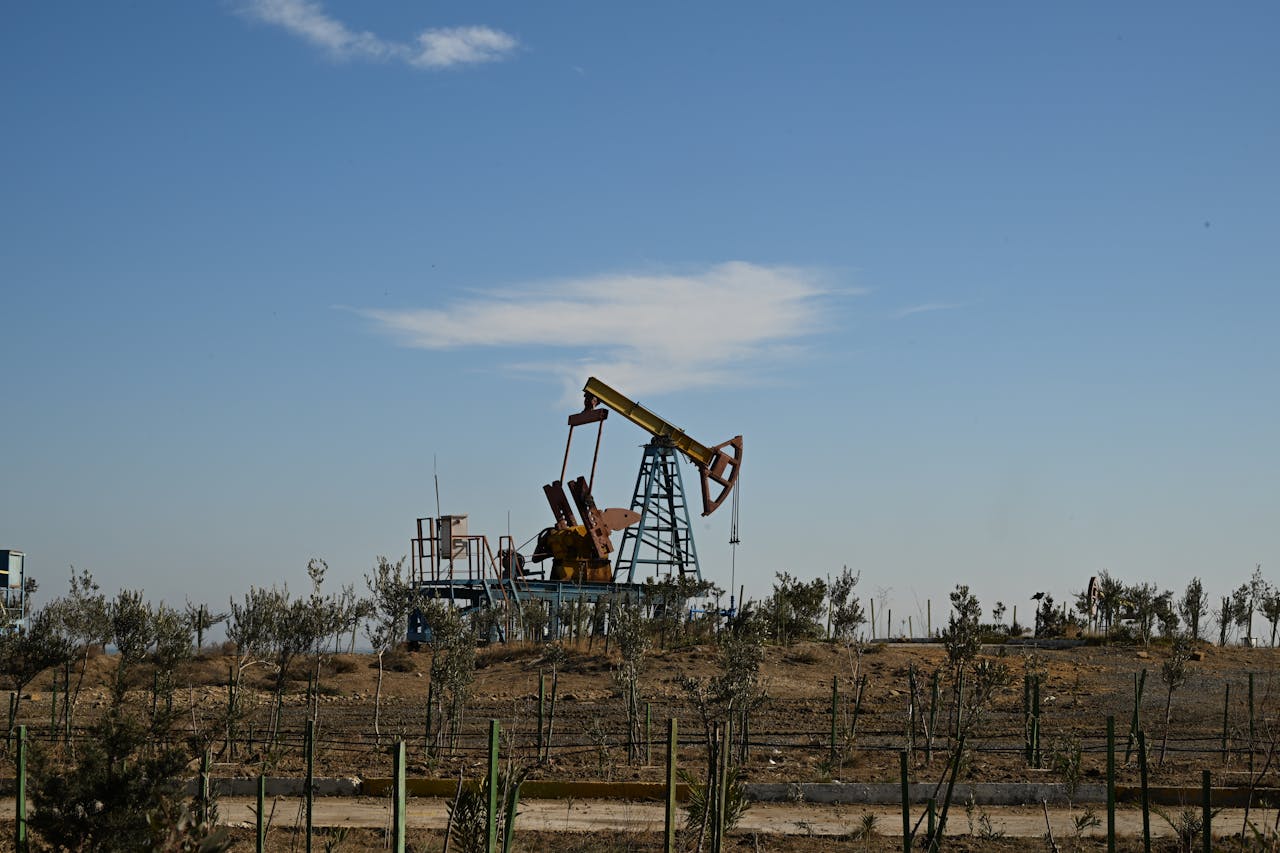
A new report from BCA Research suggests that the recent surge in energy prices, driven by ongoing Middle East tensions, is unlikely to spark a prolonged period of runaway inflation in major global economies. According to the firm's latest Global Investment Strategy report, the probability of inflation expectations becoming unanchored over the next 12 months remains relatively low.
While oil prices have climbed sharply, BCA Research points to growing labor market slack and slowing wage growth as key stabilizing factors that reduce the risk of a wage-price spiral taking hold. Analysts maintain that without a sudden jump in nominal wage growth, the current energy shock will largely compress real wages, pushing households to cut back on discretionary spending rather than igniting broad, sustained price increases across the economy.
Beyond the near-term energy volatility, the report also examines the structural forces expected to define the inflation landscape through the end of the decade. Government fiscal policy remains a central driver of aggregate demand, meaning the direction of public spending will continue to carry significant weight in shaping price pressures. Shifting globalization patterns, including evolving supply chains and changing trade dynamics, will also influence cost structures and pricing power worldwide.
Demographic shifts present another long-term variable, as aging populations and changing labor force participation rates are expected to exert lasting pressure on labor supply and wages. Meanwhile, artificial intelligence is emerging as a wildcard, with its potential to generate major productivity gains weighed against the disruption it may bring to employment and existing industries.
Despite the current market turbulence, BCA Research remains confident that today's inflationary pressures do not signal a fundamental shift in the global economic regime. For investors, the prevailing message is clear — treat the current volatility as a temporary challenge, not a lasting threat to global growth.







