


 France Hosts Israeli-Palestinian Peace Conference to Revive Two-State Solution
  South Korea Ex-President Yoon Suk Yeol Sentenced to 30 Years Over Martial Law Plot
  Carney and Macron Strengthen Canada-France Defense Ties Amid US Trade Uncertainty
  Trump Nominates Jay Clayton as DNI Amid FISA Surveillance Dispute
  Trump Signals Possible Iran Peace Deal as Markets Rally
  IMF Advances Ukraine Loan Program, Clears $690M Disbursement
  Peru Election 2026: Fujimori Holds Narrow Lead as Contested Votes Face Review
  Trump Signals Opposition to USMCA Renewal as U.S. Reviews Trade Relations with Canada and Mexico
  U.S.-Iran Peace Talks Continue Despite Escalating Military Strikes
  South Korea Ballot Shortage Sparks Protests, Election Fraud Claims, and Calls for Rerun
  US Plans NATO Force Reduction in Europe Amid Defense Burden Dispute
  Lebanon Resists Iran Pressure as Israel-Hezbollah Ceasefire Talks Stall
  KMT Chair Cheng Li-wun Defends Taiwan-China Engagement During U.S. Visit
  US Appeals Court Keeps Trump’s 10% Global Tariff in Effect During Ongoing Legal Battle
  Trump Administration Plans Deportation of Iranian Migrants to Central African Republic Under New Third-Country Deal
  US-Iran Peace Deal Nears as Tehran and Pakistan Signal Breakthrough


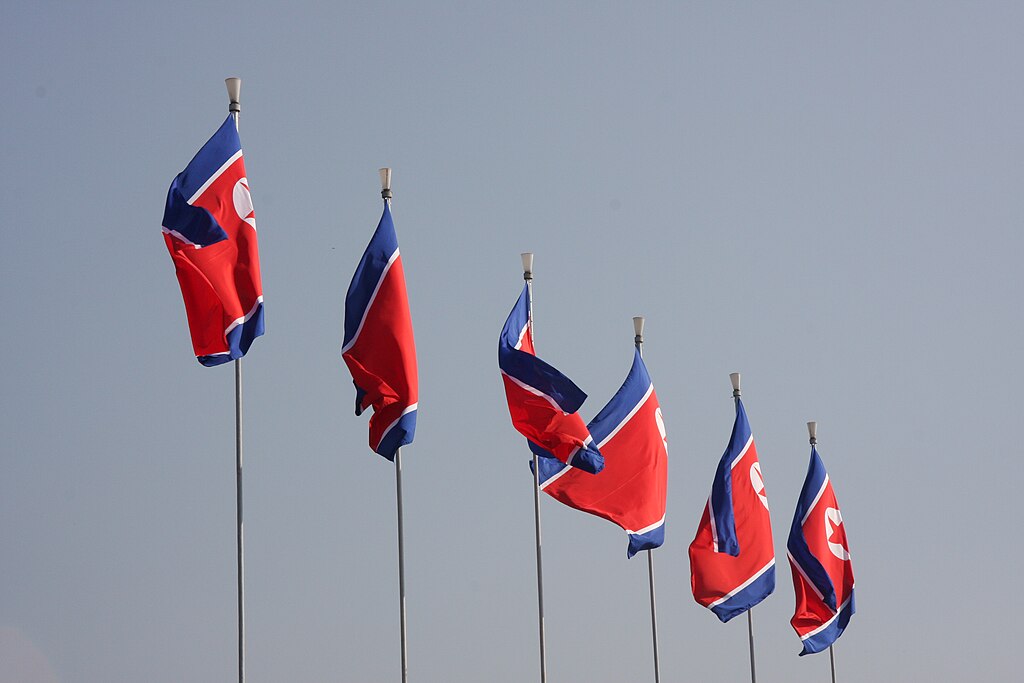
North Korea has strongly criticized the United States over its recent approval of a major arms sale to South Korea, arguing that the move will further heighten tensions on the Korean Peninsula and undermine regional stability.
According to a statement published Saturday by the Korean Central News Agency (KCNA), North Korea’s foreign ministry condemned Washington’s decision to authorize the sale of advanced air-to-air missiles and related military equipment to South Korea. The deal, valued at nearly $300 million, was recently approved by the U.S. State Department as part of ongoing defense cooperation between the two allies.
A senior foreign ministry official responsible for external policy described the weapons sale as another sign that military ties between the United States and South Korea are being steadily expanded despite growing international concerns about security risks in the region. The official argued that the continued strengthening of military cooperation between Washington and Seoul contributes to increased tensions around the Korean Peninsula.
The statement also criticized U.S. defense exports, claiming that American weapons sales fuel geopolitical conflicts and military confrontations. North Korea reiterated its position that it will continue enhancing its self-defense capabilities and strategic deterrence measures in response to what it views as escalating military pressure from the United States and its allies.
The latest remarks reflect Pyongyang’s longstanding opposition to joint military activities and defense agreements involving the United States and South Korea. North Korean officials have frequently accused the two countries of preparing for potential military action through arms transfers, joint exercises, and broader security cooperation.
The missile sale comes amid continued security concerns in Northeast Asia, where military developments and defense partnerships remain closely watched by regional stakeholders. Analysts note that arms deals and military modernization efforts on both sides are likely to remain a key factor influencing relations between North Korea, South Korea, and the United States in the coming months.







