


 South Korea Signals Possible Interest Rate Hike as Inflation Remains Elevated
  Trump Nominates Jay Clayton as DNI Amid FISA Surveillance Dispute
  US Dollar Heads for Weekly Loss as Iran Peace Deal Hopes Boost Risk Appetite
  Asian Currencies Mixed as Dollar Slips on Iran Peace Hopes and Fed Rate Outlook
  US Stock Futures Rally as U.S.-Iran Peace Talks Boost Market Sentiment Despite Ongoing Strikes
  JCPOA Nuclear Deal Explained as U.S. Nears Potential New Iran Peace Agreement
  FBI Faces Historic Security Challenge Ahead of 2026 FIFA World Cup
  Peru Election 2026: Fujimori Holds Narrow Lead as Contested Votes Face Review
  US Plans NATO Force Reduction in Europe Amid Defense Burden Dispute
  North Korea Slams U.S. Missile Sale to South Korea, Warns of Rising Regional Tensions
  Asian Stocks Slide as Tech Selloff Deepens and US-Iran Conflict Escalates
  Lebanon Resists Iran Pressure as Israel-Hezbollah Ceasefire Talks Stall
  IMF Advances Ukraine Loan Program, Clears $690M Disbursement
  ECB Set to Raise Interest Rates as Energy Shock Fuels Eurozone Inflation Concerns
  New Zealand Manufacturing Slips Back Into Contraction in May
  Japan Core Inflation Seen Steady in May Ahead of BOJ Rate Hike


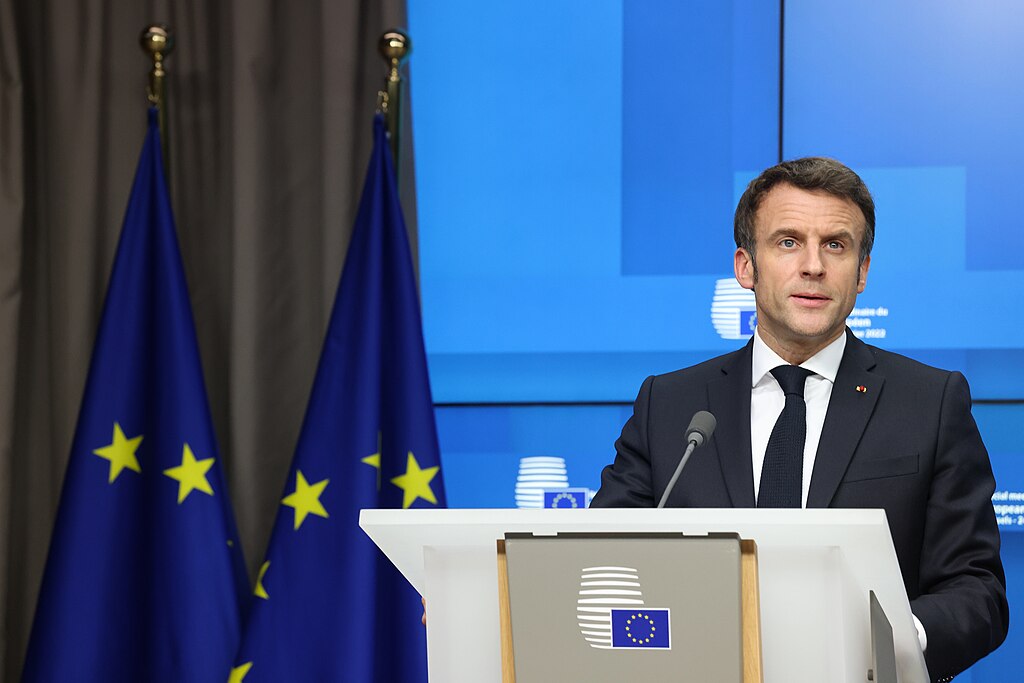
Canadian Prime Minister Mark Carney and French President Emmanuel Macron have agreed to expand defense and industrial cooperation, reinforcing Canada’s growing partnership with Europe as trade tensions with the United States continue to impact the Canadian economy.
During talks in Paris on Friday, Carney announced that Canada and France signed a new agreement to facilitate the exchange of classified information across key sectors, including defense, aerospace, artificial intelligence, and space technology. The deal is expected to improve collaboration between businesses, researchers, and government agencies in both countries while supporting long-term security and innovation goals.
The Paris meeting marked the first stop of Carney’s European trip before traveling to Ireland for a two-day visit. The visit reflects his broader strategy of strengthening alliances with like-minded middle powers, a policy direction he first outlined during the World Economic Forum in Davos earlier this year.
Carney’s approach comes as Canada seeks to reduce economic vulnerabilities caused by ongoing US trade measures. Tariffs on Canadian steel, aluminum, automobiles, and lumber have placed pressure on key industries, prompting Ottawa to diversify its international partnerships and expand market access beyond North America.
Macron emphasized France’s role as a gateway between Canada and the European Union, highlighting opportunities for deeper economic and strategic cooperation. The two leaders also discussed growing defense collaboration as Canada increases military spending and participates in the European Union’s SAFE defense procurement initiative.
Canada is actively evaluating major defense acquisitions, including potential purchases of European-made fighter jets and submarines. Ottawa is reportedly reconsidering its planned procurement of US-built F-35 aircraft and exploring alternatives such as Saab’s Gripen fighter jet from Sweden.
Beyond defense, energy cooperation is also gaining momentum. Several German utility companies have expressed interest in purchasing Canadian liquefied natural gas as new LNG export projects move forward. These developments underscore Canada’s efforts to strengthen economic ties with Europe while reducing reliance on the US market amid an increasingly unpredictable global trade environment.







