


 Trump Administration Urges Judge to Allow UFC Event on White House Lawn
  US Warns of More Strikes on Iran as Trump Pushes for Peace Deal
  Randy Villegas Advances to Face David Valadao in Key California Congressional Race
  Florida Supreme Court Allows GOP Congressional Map to Stand Ahead of 2026 Midterm Elections
  US Appeals Court Keeps Trump’s 10% Global Tariff in Effect During Ongoing Legal Battle
  U.S.-Iran Peace Talks Continue Despite Escalating Military Strikes
  Trump Nears Decision on Permanent U.S. Intelligence Chief as FISA Renewal Faces Senate Resistance
  Peru Election 2026: Fujimori Holds Narrow Lead as Contested Votes Face Review
  US Urges Europe to Impose Ebola Travel Restrictions Ahead of FIFA World Cup 2026
  Trump Says Iran Peace Deal Near as Markets Rally and Oil Prices Fall
  FBI Faces Historic Security Challenge Ahead of 2026 FIFA World Cup
  Lebanon Resists Iran Pressure as Israel-Hezbollah Ceasefire Talks Stall
  US Launches New Strikes on Iran as Middle East Conflict Intensifies in 2026
  US Voters Prioritize Party Loyalty Over Candidate Controversies, Reuters/Ipsos Poll Finds
  G7 Summit 2026 to Focus on Middle East Conflicts, Ukraine War, and Global Economic Challenges


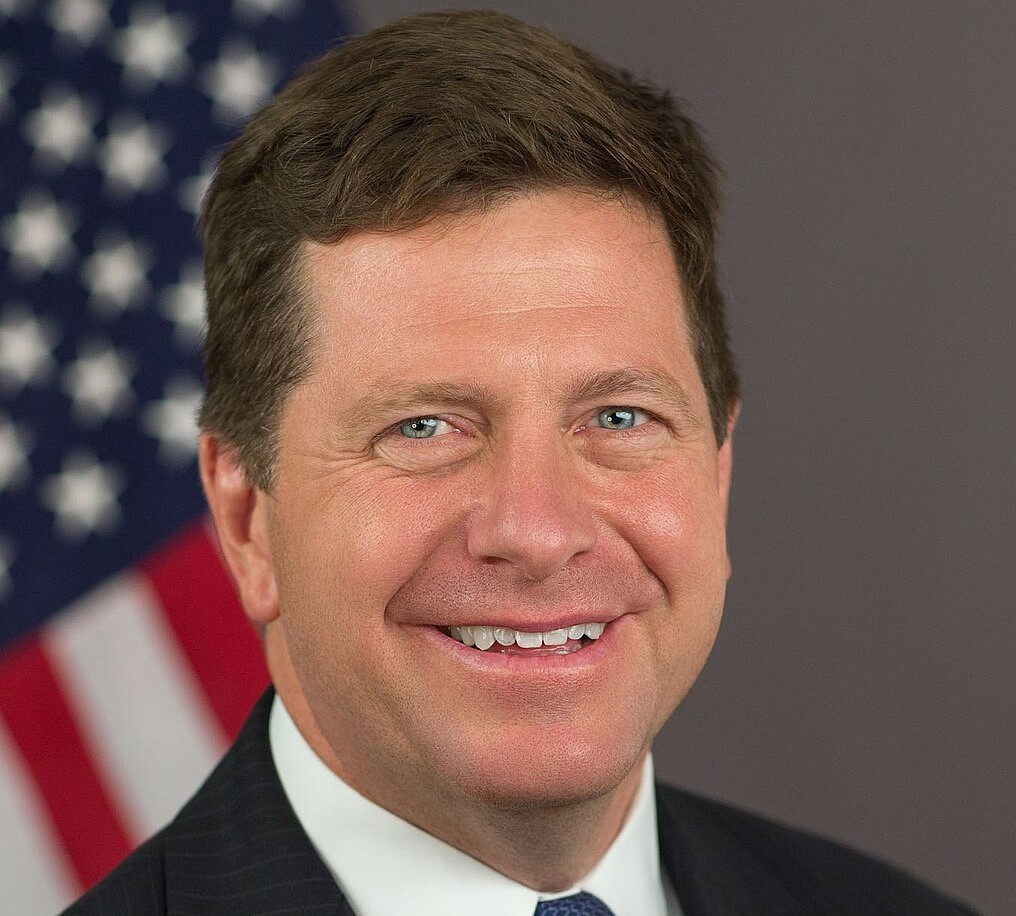
President Donald Trump has nominated Jay Clayton, the current U.S. Attorney for the Southern District of New York, to serve as the next Director of National Intelligence (DNI), a move that comes amid growing political tensions over the future leadership of the U.S. intelligence community and the renewal of a key surveillance program.
Trump announced the nomination through a Truth Social post, urging the Senate to quickly confirm Clayton as the permanent replacement for former DNI Tulsi Gabbard. The White House later submitted Clayton’s formal nomination to the Senate, and the Senate Intelligence Committee scheduled a confirmation hearing for next week.
The nomination follows controversy surrounding Trump’s appointment of Bill Pulte as acting DNI. Pulte, who currently serves as Director of the Federal Housing Finance Agency, has drawn criticism from Democratic lawmakers due to his lack of national security experience. Senate Democratic Leader Chuck Schumer stated that Pulte should not remain in the intelligence role, arguing that national security concerns outweigh political considerations.
Despite Clayton’s nomination, Democrats continue to oppose extending Section 702 of the Foreign Intelligence Surveillance Act (FISA) unless Pulte is removed from the acting DNI position. The surveillance authority, which expires Friday, allows U.S. intelligence agencies to collect communications data from foreign targets located outside the United States without obtaining individual warrants.
Clayton previously served as chairman of the Securities and Exchange Commission during Trump’s first administration and was widely viewed as a moderate regulator who worked across party lines. However, his background is primarily in corporate law and financial regulation, with limited experience in intelligence or national security matters.
According to sources familiar with the matter, CIA Director John Ratcliffe recommended Clayton for the DNI role after Trump sought guidance on a permanent replacement. Until Clayton is confirmed, Pulte is expected to oversee the Office of the Director of National Intelligence and implement personnel changes requested by the administration.
The dispute has also complicated efforts to renew Section 702. Senate Republicans hold a 53-47 majority but require Democratic support to reach the 60-vote threshold needed for passage. Critics of Pulte have raised concerns that intelligence resources could be used for political purposes, while opponents of Section 702 continue to argue that stronger privacy protections for Americans are necessary.
As the Senate prepares to review Clayton’s nomination, the debate over intelligence leadership and surveillance powers remains at the center of Washington’s national security agenda.







