


 Trump Signals Possible U.S.-Iran Peace Deal as Hormuz Reopening Nears
  DOJ Sues Virginia Over Law Enforcement Mask Ban
  US Warns of More Strikes on Iran as Trump Pushes for Peace Deal
  Trump Administration Plans Deportation of Iranian Migrants to Central African Republic Under New Third-Country Deal
  Ukraine and Latvia Sign Drone Defense Deal to Boost Military Cooperation in 2026
  Trump Nears Decision on Permanent U.S. Intelligence Chief as FISA Renewal Faces Senate Resistance
  Steve Hilton and Xavier Becerra Advance to California Governor Election After Primary Results
  Peru Election 2026: Fujimori Holds Narrow Lead as Contested Votes Face Review
  LePage Wins GOP Nomination in Key Maine House Race Ahead of 2026 Election
  Xi’s North Korea Visit Strengthens Ties and Elevates Kim Jong Un’s Global Standing
  Kremlin Says New EU Sanctions Won’t Hurt Russian Banks
  Venezuela Deploys Troops to Crack Down on Illegal Gold Mining Amid Push for Foreign Investment
  US Launches New Strikes on Iran as Middle East Conflict Intensifies in 2026
  US Urges Europe to Impose Ebola Travel Restrictions Ahead of FIFA World Cup 2026
  Trump Signals Opposition to USMCA Renewal as U.S. Reviews Trade Relations with Canada and Mexico
  FBI Faces Historic Security Challenge Ahead of 2026 FIFA World Cup
  Trump Says Iran Peace Deal Near as Markets Rally and Oil Prices Fall


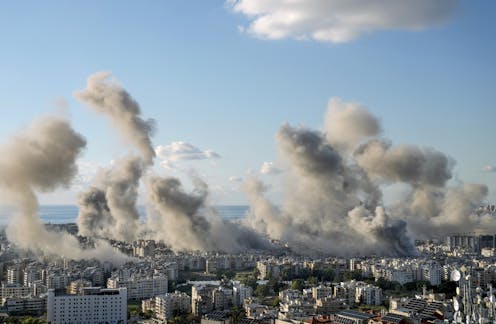
Lebanon is pushing ahead with diplomatic efforts to end the conflict with Israel despite growing pressure from Iran, which is seeking to preserve its influence in the country through Hezbollah. As ceasefire negotiations continue under U.S. mediation, Lebanese leaders insist that the nation’s future will be decided in Beirut, not Tehran or Tel Aviv.
President Joseph Aoun reaffirmed Lebanon’s sovereignty, stating that while cooperation with Iran remains possible, foreign powers cannot dictate Lebanon’s political decisions. He emphasized that negotiations are the only viable path to ending the conflict with Israel and rejected the idea of Lebanon becoming a battleground for regional rivalries.
The dispute highlights a broader struggle over Lebanon’s political direction. Iran reportedly views Lebanon as a critical part of its regional strategy, especially after the fall of former Syrian President Bashar al-Assad, a key ally in Tehran’s “Axis of Resistance.” Analysts describe Lebanon as Iran’s most important front against Israel, giving Tehran a strong interest in shaping any future settlement.
At the same time, U.S.-backed talks between Lebanon and Israel have made little progress. Lebanon is demanding a lasting ceasefire, a full Israeli withdrawal, and the return of displaced civilians under Lebanese army supervision. Israel, however, insists that Hezbollah must first be removed as a military force, particularly in southern Lebanon.
Lebanese officials described recent negotiations in Washington as difficult, with major disagreements remaining unresolved. A proposed framework reportedly called for a ceasefire linked to Hezbollah’s withdrawal from southern Lebanon, but the plan was rejected by Hezbollah, which viewed it as a concession to Israeli demands.
Iran has also linked any broader agreement with Washington to a ceasefire in Lebanon, further complicating negotiations. Meanwhile, Hezbollah remains opposed to direct talks with Israel and has not presented an alternative roadmap for ending the conflict.
With international support growing for Lebanon’s independent diplomatic approach, the government faces the challenge of balancing Israeli security demands and Iranian efforts to maintain Hezbollah as a strategic regional asset. Continued deadlock could deepen instability in southern Lebanon and delay the return of displaced communities.







