


 Venezuela Deploys Troops to Crack Down on Illegal Gold Mining Amid Push for Foreign Investment
  Japan Producer Prices Surge in May, Strengthening Expectations of BOJ Rate Hike
  Ukraine and Latvia Sign Drone Defense Deal to Boost Military Cooperation in 2026
  Randy Villegas Advances to Face David Valadao in Key California Congressional Race
  BoE Policymaker Alan Taylor Signals No Need for Interest Rate Hike Amid Iran War Inflation Risks
  Peru Election 2026: Sanchez Takes Narrow Lead Over Fujimori
  BOJ Rate Hike Expectations Rise as Weak Yen and Strong U.S. Jobs Data Increase Pressure
  Trump Says Iran Downed U.S. Apache Helicopter in Strait of Hormuz, Vows Response
  Oil Prices Surge Above $93 as Trump Escalates Iran Pressure and Strait of Hormuz Tensions Deepen
  Vietnam Prioritizes Fiscal Stimulus as Monetary Policy Space Narrows
  US Stock Futures Slip as New Iran Strikes Weigh on Market Sentiment Ahead of Inflation Data
  Peru Election 2026: Tight Race Between Keiko Fujimori and Roberto Sanchez Boosts Markets
  New Zealand Unemployment and Inflation Debate Intensifies Ahead of 2026 Election
  Gordie Howe International Bridge Set to Open, Boosting U.S.-Canada Trade Links
  US Dollar Dips as Middle East Tensions Ease; Markets Await Key US Inflation Data
  Trump Claims Iran War Victory Near as Oil Prices Expected to Drop
  US Urges Europe to Impose Ebola Travel Restrictions Ahead of FIFA World Cup 2026


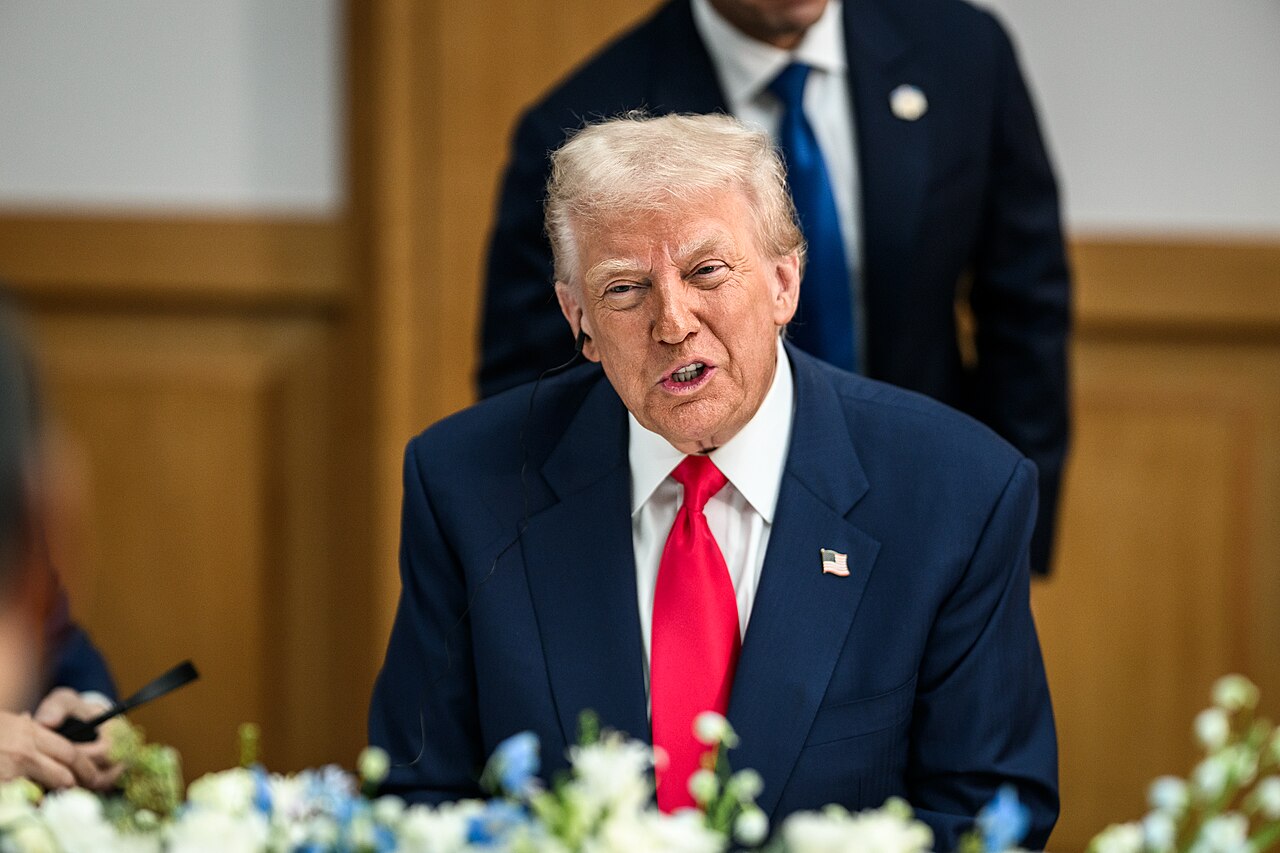
President Donald Trump indicated that he may not support renewing the United States-Mexico-Canada Agreement (USMCA), raising fresh uncertainty about the future of North American trade. Speaking at the White House on Wednesday, Trump criticized ongoing trade deficits with Canada and Mexico and argued that the United States holds a stronger economic position than its two neighbors.
Trump stated that he is not currently interested in renewing the trade pact, claiming the U.S. does not depend on imports from Canada or Mexico to the same extent that those countries rely on access to the American market. However, he noted that discussions with Canadian and Mexican leaders remain ongoing.
Under the terms of the USMCA review process, the three countries must approve an extension of the agreement by July 1 or signal plans to withdraw. Even if a country chooses not to renew the pact, the withdrawal process could take up to 10 years, allowing time for negotiations and potential revisions to the deal.
The Office of the U.S. Trade Representative confirmed that U.S. and Mexican officials will meet in Washington on June 16-17 for a second round of trade talks focused on agriculture and creating a more competitive business environment. Additional negotiations are scheduled to take place in Mexico City during the week of July 20.
Canada has also expressed optimism about recent discussions. Dominic LeBlanc, Canada’s minister responsible for Canada-U.S. trade, said recent meetings regarding the agreement were productive, although a formal negotiation schedule between the two countries has not yet been finalized.
The USMCA, which replaced NAFTA six years ago, has helped create a highly integrated North American economy and supports approximately $1.6 trillion in annual trilateral trade. Despite its economic significance, the agreement's future now depends on the outcome of upcoming negotiations.
According to trade data, the United States recorded a $46 billion goods trade deficit with Canada and a $197 billion deficit with Mexico in 2025. Mexico has remained the largest U.S. trading partner since 2023, with around 80% of Mexican exports destined for the U.S. market. Meanwhile, nearly 70% of Canadian exports are shipped south of the border. Canada and Mexico also collectively purchase nearly one-third of all U.S. exports, highlighting the importance of the North American trade relationship.







