


 Trump Administration Defends Cuba Sanctions Amid UN Human Rights Criticism
  South Korea Ex-President Yoon Suk Yeol Sentenced to 30 Years Over Martial Law Plot
  FBI Faces Historic Security Challenge Ahead of 2026 FIFA World Cup
  Trump Signals Possible U.S.-Iran Peace Deal as Hormuz Reopening Nears
  Lebanon Resists Iran Pressure as Israel-Hezbollah Ceasefire Talks Stall
  Trump Administration Plans Deportation of Iranian Migrants to Central African Republic Under New Third-Country Deal
  Peru Election Results Remain Uncertain as Tight Presidential Race Heads Toward Legal Review
  Trump Nominates Jay Clayton as DNI Amid FISA Surveillance Dispute
  France Hosts Israeli-Palestinian Peace Conference to Revive Two-State Solution
  US Launches New Strikes on Iran as Middle East Conflict Intensifies in 2026
  Keiko Fujimori Narrowly Leads Peru Presidential Election as Overseas Votes Shift Race
  Trump Signals Opposition to USMCA Renewal as U.S. Reviews Trade Relations with Canada and Mexico
  US Voters Prioritize Party Loyalty Over Candidate Controversies, Reuters/Ipsos Poll Finds
  Venezuela Deploys Troops to Crack Down on Illegal Gold Mining Amid Push for Foreign Investment
  Trump Nears Decision on Permanent U.S. Intelligence Chief as FISA Renewal Faces Senate Resistance


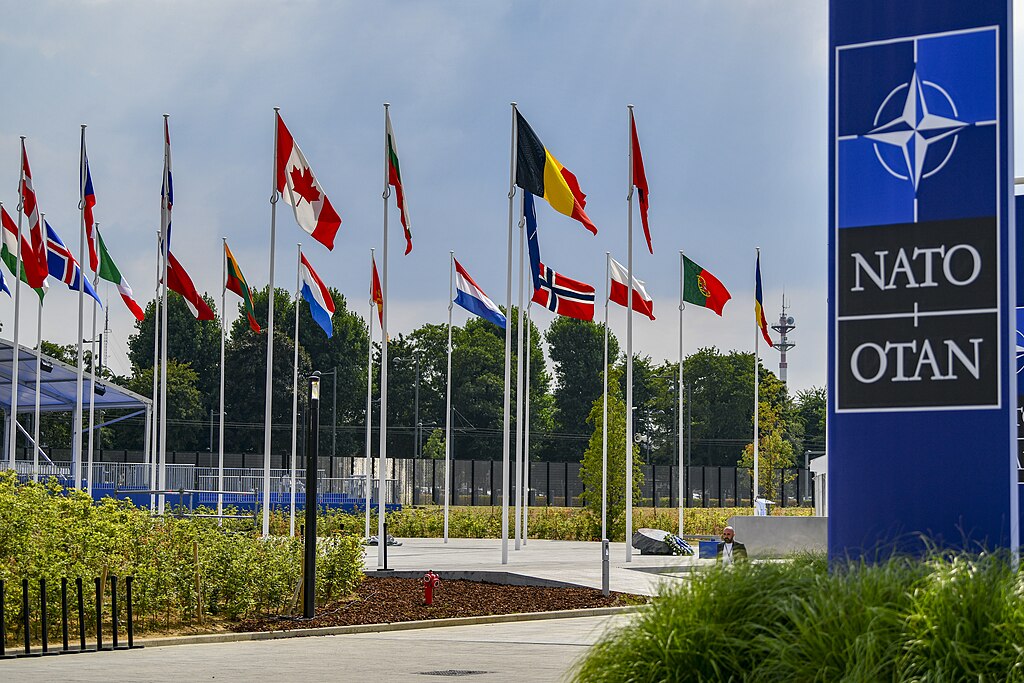
The United States is reportedly preparing to reduce the number of aircraft, warships, and other military assets available for NATO operations in Europe, a move that could significantly impact the alliance’s defense capabilities, according to a report by The New York Times citing two senior European officials.
The planned reduction is expected to affect NATO’s ability to carry out long-range strike missions, intelligence gathering, and surveillance operations across Europe. The report indicates that several key U.S. military assets currently supporting NATO could be reassigned to other regions as the Trump administration reassesses its global defense commitments.
Among the assets reportedly under consideration for redeployment are a missile-launching submarine, an aircraft carrier, multiple warships, and dozens of fighter jets that support carrier strike group operations. The report also noted that one of the two U.S. bomber groups assigned to Europe’s defense mission could be relocated, further reducing American military presence on the continent.
The potential changes come as President Donald Trump continues to pressure European NATO members to increase defense spending and strengthen their own military capabilities. Trump and his administration have repeatedly argued that many European allies rely too heavily on U.S. military protection while failing to invest sufficiently in their national defense budgets.
Tensions over burden-sharing within NATO have been a recurring issue during Trump’s presidency. The president has frequently criticized alliance members for not meeting defense spending targets and has questioned the long-term sustainability of the current security arrangement. Trump has also reportedly threatened to reconsider the United States’ commitment to NATO, citing what he views as inadequate support from allies during recent geopolitical crises, including the U.S.-Israel conflict involving Iran.
If implemented, the proposed force reductions could mark a significant shift in U.S. military strategy in Europe and raise concerns among NATO members about the alliance’s readiness and deterrence capabilities at a time of growing global security challenges.







