


 Asian Currencies Mixed as Yen Weakens, RBA Hike Looms
  Asian Stocks Fall as Oil Surge, Bond Yields and AI Concerns Hit Markets
  Japanese Yen Retreats as Dollar Rises Ahead of Fed, BOJ Rate Decisions
  BlackRock’s Rick Rieder Favors Bonds Over Stocks as Treasury Yields Surge
  Asian Stocks Rise as Bond Yields Ease Ahead of U.S. Inflation Data
  Fed’s Williams Signals One More Rate Hike Before Year-End
  Japan Factory Output Unexpectedly Falls 1.7% in August
  US Alcohol Ban Exposes Canada’s Internal Trade Barriers
  US Dollar Hits Two-Month High as Aussie, Pound Slide
  Yen in Focus as BOJ, Fed Rate Hikes Reshape Currency Markets
  ECB May Stop Rate Hikes After December, Capital Economics Says
  U.S. Stock Futures Steady as AI, Rate Concerns Weigh
  Fed’s Hammack Says Bond Yield Surge Is Not Driven by Inflation Fears
  Trump Eyes $54 Billion South Korean Investment in Alaska LNG
  U.S. Stock Futures Fall as Iran, Oil and AI Risks Rattle Markets


 Add as a preferred source on Google
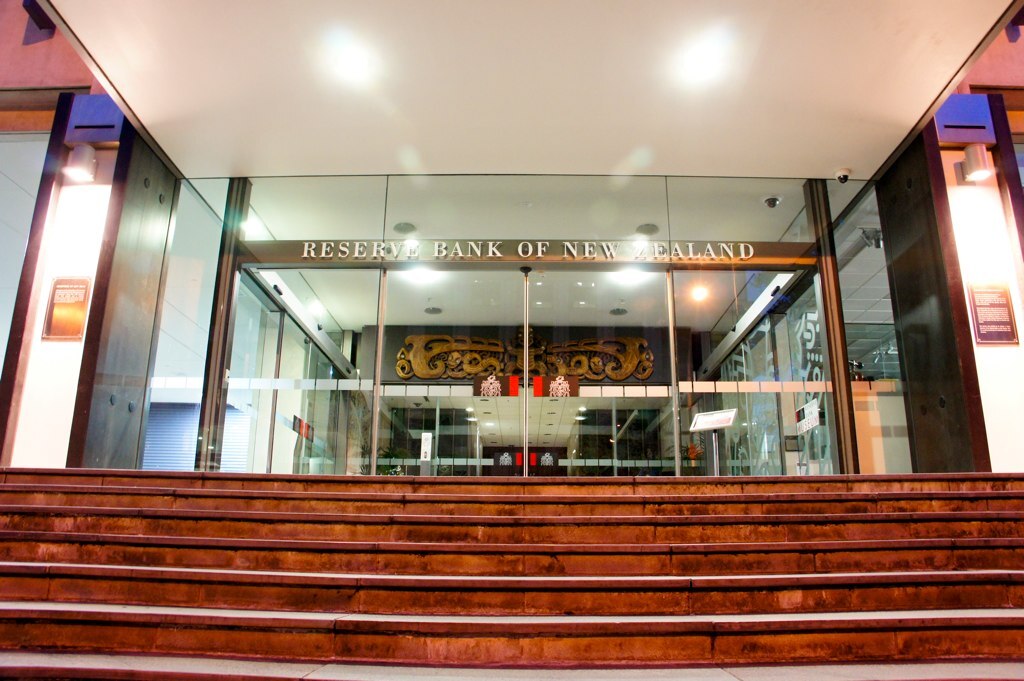
The Reserve Bank of New Zealand (RBNZ) held its benchmark interest rate steady at 3.25% on Wednesday, citing ongoing near-term inflation risks. However, policymakers indicated that further rate cuts remain likely if inflation continues to ease as expected. This pause aligns with a Reuters poll, where 19 of 27 economists forecasted a hold following a 225-basis-point reduction since August 2024.
Despite inflation moderating to 2.5%, still within the RBNZ's 1–3% target range, concerns over global trade tensions and inflationary pressures have led the central bank to take a more cautious stance. Meeting minutes revealed that the bank anticipates its next rate cut could come in August, depending on updated economic data.
The RBNZ acknowledged uncertainty in the economic outlook, noting that future monetary policy will be influenced by inflation persistence, recovery pace, and the impact of tariffs. Elevated export prices and lower borrowing costs are supporting growth, but global headwinds, including slower international demand and fiscal tightening, are expected to weigh on New Zealand’s recovery.
Financial markets reacted with the New Zealand dollar falling 0.3% to $0.5977, while two-year swap rates held steady at 3.16%. Capital Economics’ senior APAC economist Abhijit Surya projected the terminal cash rate could fall to 2.5%, lower than the bank’s current estimate of 2.75%.
The RBNZ was among the first central banks to tighten policy post-COVID, raising rates by 525 basis points between 2021 and 2023. Those aggressive hikes pushed the economy into recession, though a fragile recovery is now underway. New Zealand’s rate cuts contrast with the U.S. Federal Reserve and Reserve Bank of Australia, both of which have adopted a more hawkish stance amid global economic uncertainty.







