


 RBA Hikes Interest Rate to 4.60% as Inflation Risks Rise
  Japan Warns Markets Over Yen Weakness
  Oil Surge Pressures Global Stocks as U.S.-Iran Truce Hopes Fade
  RBA Says ASX Still Falls Short on Governance and Risk Controls
  Yen Sinks as BOJ Rate Hike Fails to Impress Markets
  Gold Slides Below $4,300 as Oil Surge Fuels Fed Rate Hike Bets
  South Korea Tax Windfall Could Top 50 Trillion Won on Chip Boom
  BlackRock’s Rick Rieder Favors Bonds Over Stocks as Treasury Yields Surge
  Asian Currencies Weaken as Dollar, Oil Prices Rise
  RBI Uses $10 Billion Currency Swaps to Drain Excess Rupee Liquidity
  China, US Extend Trade Truce Through January 10 After Trump-Xi Summit
  BOJ Raises Interest Rate to 31-Year High as Yen Weakens


 Add as a preferred source on Google
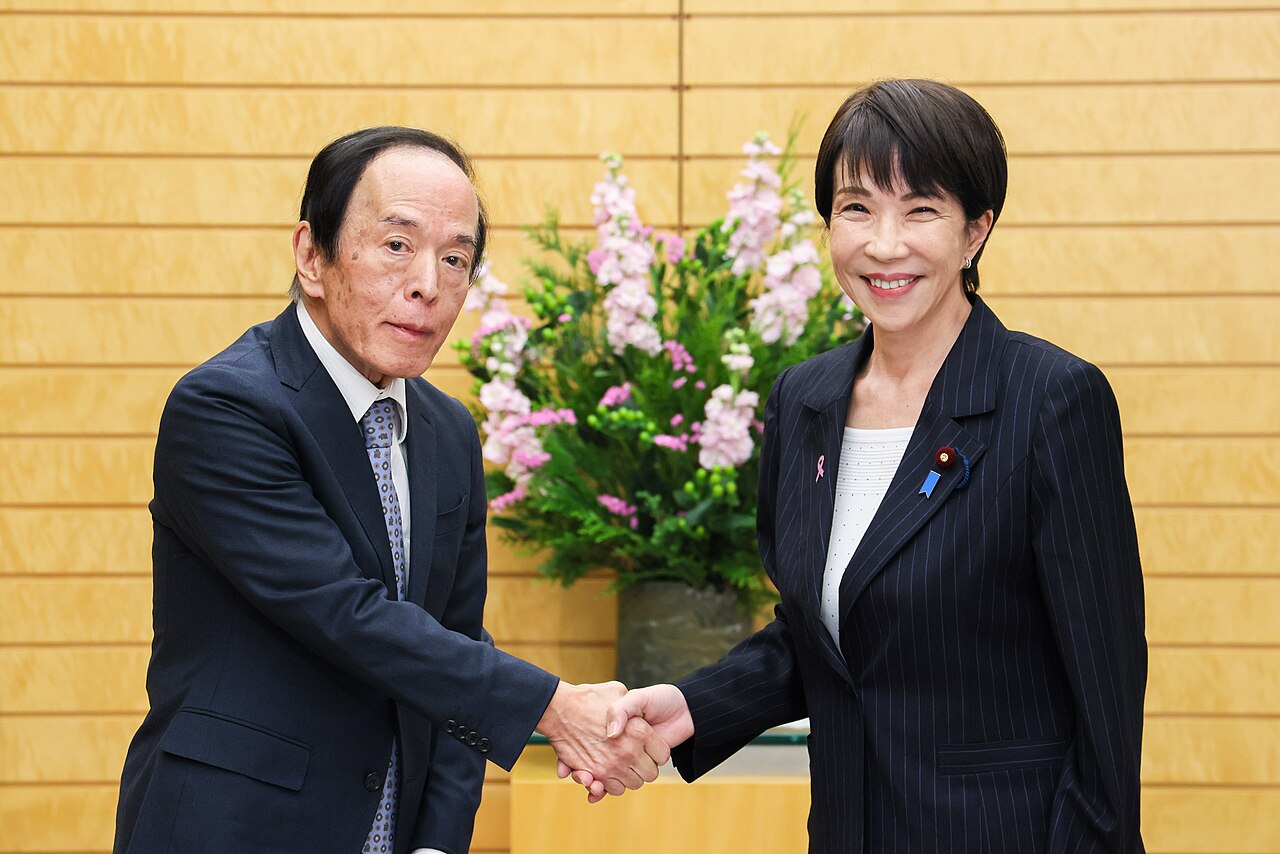
The Bank of Japan (BOJ) held its interest rates steady on Tuesday, but growing internal support for tightening monetary policy highlights increasing concern over inflation pressures, particularly those linked to the ongoing Middle East conflict. Notably, three out of the nine board members proposed raising borrowing costs, signaling a shift toward a more hawkish stance as economic risks evolve.
BOJ Governor Kazuo Ueda emphasized during his post-meeting briefing that uncertainty surrounding geopolitical tensions is complicating the central bank’s outlook. While the conflict introduces downside risks to economic growth, it also raises the possibility of higher inflation, especially heading into fiscal 2026. According to Ueda, the BOJ needs additional time to assess how these external factors will influence Japan’s economy and price stability.
A key concern for policymakers is the rising cost of oil and related goods. As crude oil prices climb, businesses may increasingly pass these costs onto consumers, potentially accelerating inflation. Ueda noted that underlying inflation is approaching the BOJ’s 2% target, making it critical for the central bank to carefully monitor economic data to avoid falling behind in its policy response.
The BOJ also revised its inflation forecasts upward, citing the broad impact of higher energy prices on goods and services. Although current underlying inflation remains slightly below the 2% benchmark, it is expected to gradually rise. However, medium- and long-term inflation expectations remain unstable, suggesting that sustained policy adjustments may be needed.
Despite holding rates for now, the central bank made it clear that future rate hikes remain on the table. Ueda stressed that while temporary supply-driven inflation may be overlooked, any signs of sustained, second-round effects—such as rising wages and persistent price increases—would warrant policy tightening.
With headline inflation expected to rise in the near term, the BOJ aims to guide monetary policy in a way that strengthens long-term inflation expectations. This approach could ultimately support a controlled overshoot of its inflation target, reinforcing economic stability while addressing mounting global and domestic pressures.







