


 Elliott Investment Takes ~3% Stake in Daikin, Pushes for Buybacks and Strategic Overhaul
  OpenAI's $20 Billion Cerebras Deal Signals Massive AI Infrastructure Push
  Anthropic Nears $800 Billion Valuation as Investor Confidence Surges
  Japan to Subsidize Sony's Image Sensor Plant in Kumamoto with $380 Million
  DEEPX Partners with Hyundai to Power Next-Gen AI Robots Ahead of IPO
  CSN's Cement Unit Sale Could Exceed $2 Billion as Global Giants Circle
  Sam Altman Moves to Dismiss Punitive Damages in Sister's Sexual Abuse Lawsuit
  AEVEX Raises $320 Million in IPO Amid Surging Defense Sector Demand
  Netflix Q2 Profit Warning Sends Shares Tumbling as Reed Hastings Exits
  Federal Judge Dismisses DOJ Lawsuit Attempting to Block Hawaii's Climate Case Against Oil Giants
  Uber Bets Big on Autonomous Vehicles with $10 Billion Commitment
  NiSource Signs Long-Term Energy Deals with Alphabet and Amazon to Power Indiana Data Centers
  Goldman Sachs FICC Revenue Falls 10% Amid Iran War Market Volatility
  Texas AG Investigates Lululemon Over "Forever Chemicals" in Activewear
  Japan Opens Arms Export Floodgates: New Policy Draws Global Defense Interest
  KKR's $820M Investment Fuels Samsung SDS AI Expansion, Sending Group Shares Soaring
  Qantas Raises Fuel Cost Forecast Amid Middle East Oil Crisis


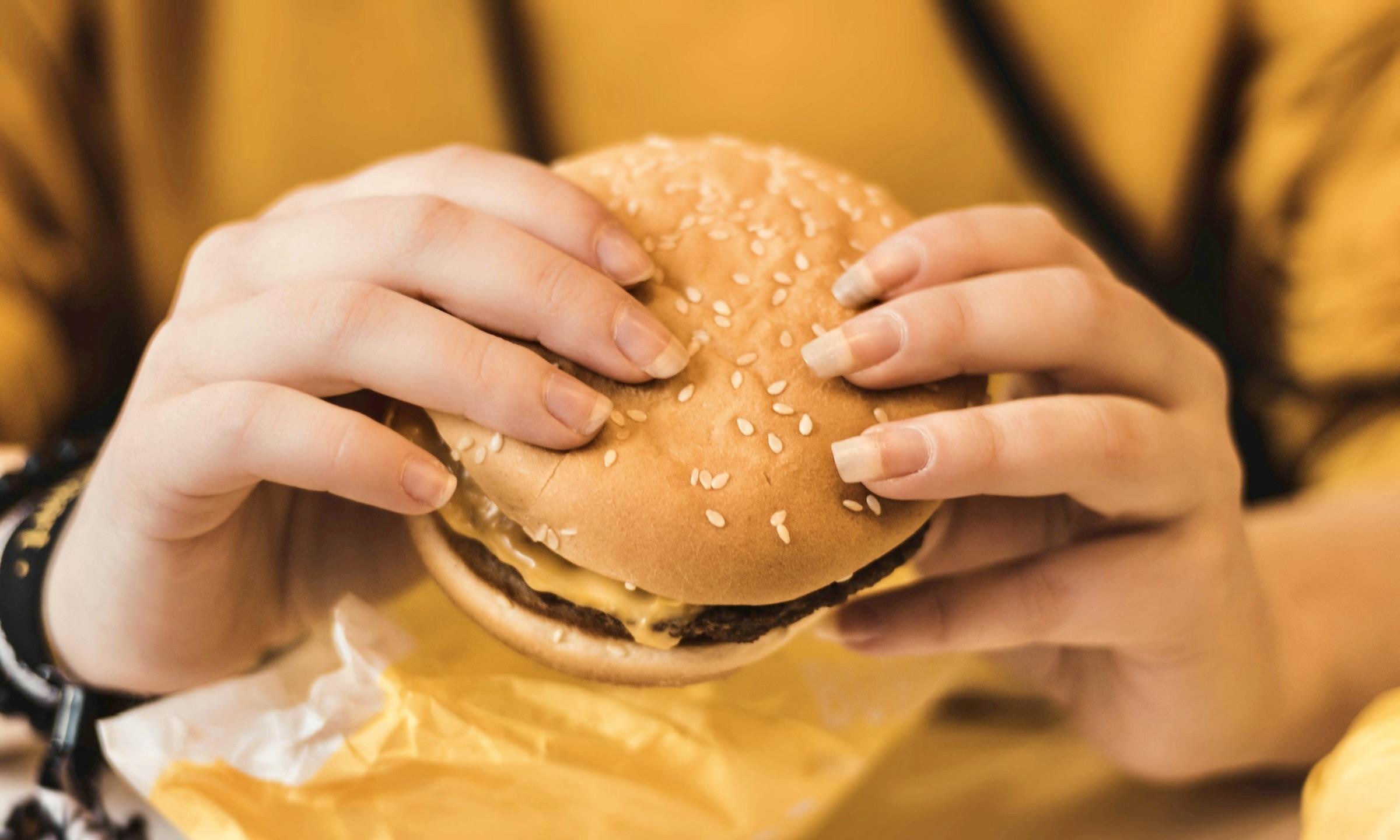
Westlife Foodworld Limited (WFL), the entity behind McDonald's operations in 11 states across West and South India, has taken to LinkedIn to address the controversy surrounding the cheese used in their products. They emphasize that the cheese utilized is genuine and of high quality.
McDonald's is in the spotlight as the Maharashtra FDA has raised concerns regarding cheese substitutes in their famous burgers and nuggets instead of authentic cheese. This revelation has stirred a nationwide debate, leading to calls for a ban on McDonald's by the CAIT.
Clarity from Westlife Foodworld Limited
Storyboard 18 reported that in response to the allegations, WFL assures its customers and stakeholders that it adheres strictly to local and international food safety standards. The company has invited representatives from the Maharashtra FDA to inspect its supply chain, from procurement to product delivery, to verify the authenticity and quality of the ingredients used.
According to Devdiscourse, the Maharashtra FDA is now set to inspect outlets of global fast-food chains to verify the accurate use of cheese alternatives in products that are misrepresented as having real cheese, expanding the investigation from focusing solely on McDonald's, revealed a top official.
This scrutiny poses a challenge for international brands as rising inflation has impacted the consumption of expensive burgers and pizzas among many Indian consumers, leading companies to introduce discounted options.
Adulterated Cheese and its Health Hazards
Adulterating cheese, or any food product, can pose significant health risks to consumers. When products are not what they claim to be, or when inferior or non-food grade materials are used, it can lead to allergic reactions, digestive issues, and long-term health problems. In the case of cheese, using substitutes that are not dairy-based can be particularly concerning for those with lactose intolerance or dairy allergies, as they rely on accurate ingredient information.
Furthermore, nutritional content can be drastically altered, misleading consumers who trust nutritional labeling. This underscores the importance of stringent food safety and labeling regulations to protect consumer health and ensure that they are making informed dietary choices.
Photo: Christian Wiediger/Unsplash







