


 Lynas Rare Earths Signs Vietnam Deal with LS Eco Energy to Boost Magnet Metal Production
  Chinese Universities with PLA Ties Found Purchasing Restricted U.S. AI Chips Through Super Micro Servers
  Google's TurboQuant Algorithm Sends Memory Chip Stocks Tumbling
  Nomura Upgrades PDD Holdings to Buy, Calls Stock Too Cheap to Ignore
  Reflection AI Eyes $25 Billion Valuation in Massive $2.5 Billion Funding Round
  Ukrainian Drones and the #MadeByHousewives Movement: Kyiv Fires Back at Rheinmetall CEO
  Brazil Meat Exports Weather Iran War Disruptions With Rerouted Shipments
  Luxury Car Sales in the Middle East Take a Hit Amid Iran War
  Unilever and Magnum Face Defamation Lawsuit Over Ben & Jerry's Board Chair Dismissal
  Novartis to Acquire Biotech Firm Excellergy in $2 Billion Deal
  McDonald's and Restaurant Brands International Face Headwinds Amid Iran Conflict and Rising Costs
  Brown-Forman and Pernod Ricard in Merger Talks to Create World's Largest Spirits Giant
  Federal Judge Blocks Pentagon's Blacklisting of AI Company Anthropic
  Innate Pharma Reports 55% Revenue Drop and €49.2M Net Loss for 2025
  Star Entertainment Secures $390M Refinancing Deal to Stabilize Operations
  Russell 1000 Companies Hit $2.2T Cash Record While Aggressively Reinvesting in Growth


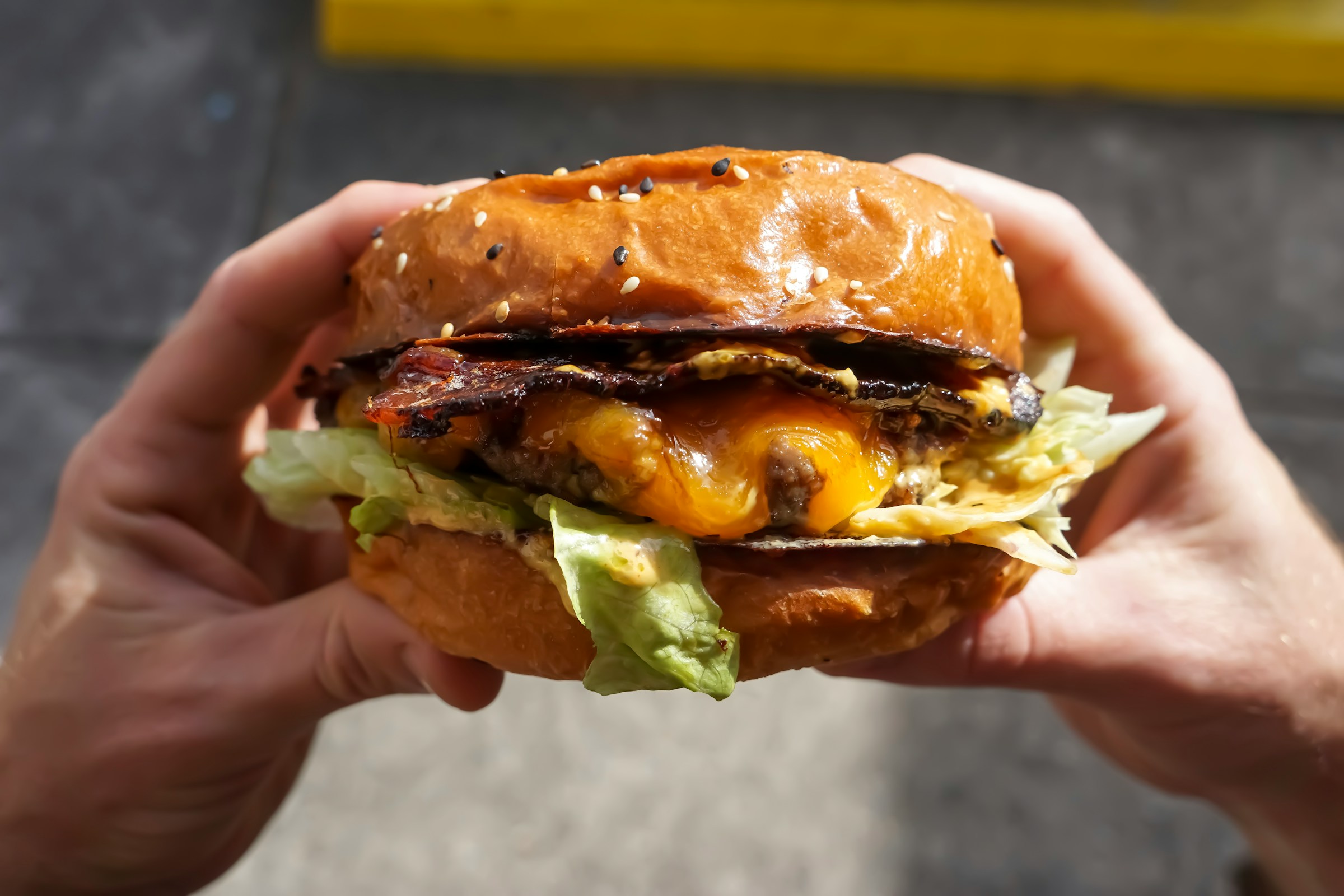
Maharashtra FDA has taken action against fast food giant McDonald's for allegedly using cheese substitutes in their products. It has suspended a McDonald's outlet license in Ahmednagar, leading the chain to remove the term "cheese" from multiple items.
According to The Times of India, McDonald's was reportedly caught using cheese analogs in burgers and nuggets instead of real cheese. These substitutes replicate the taste and texture of traditional dairy cheese by replacing milk or dairy fat with vegetable oil.
The FDA urged the chain to expand this corrective measure statewide and possibly nationwide.
Consumer Reaction and Brand Trust
MSN reported that public response to the FDA's findings has been swift and critical. Patrons of the fast-food chain, already wary of product quality in the industry, are expressing their disappointment and feeling deceived. This incident has sparked a larger conversation about transparency and trust between consumers and the food industry.
McDonald's faces a pivotal moment in addressing these concerns and restoring confidence in its brand commitment to quality.
Legal Implications and Corporate Accountability
The allegations against McDonald's could have significant legal implications, including potential fines and the enforcement of stricter labeling and food safety standards. Moreover, the situation highlights the broader issue of corporate accountability in the food industry—companies must ensure that their products are safe for consumption and accurately reflected in their marketing and packaging to maintain consumer trust.
Corporate Response and Strategy Moving Forward
In light of the allegations, McDonald's has issued a statement affirming their commitment to quality and adherence to local regulations. They have promised a thorough internal investigation and are prepared to cooperate fully with Maharashtra FDA's inquiries.
McDonald's may also review its supply chain management to prevent such issues and launch a campaign to regain consumer trust. This scenario underscores the importance of robust regulatory compliance systems and transparent communication with both authorities and customers in the food service industry.
As the McDonald's case unfolds, it presents an opportunity for the company to scrutinize and reform its supply chain and engage more openly with customers and advocacy groups. A dialogue that incorporates consumer concerns into corporate practice could become a cornerstone of McDonald's strategy to rebuild trust and demonstrate that they genuinely value customer satisfaction and safety.
Photo: Carles Rabada/Unsplash







