


 Morgan Stanley Sees Chinese Auto Market Recovery Gaining Momentum in Late Summer
  Bank Regulation Rollbacks in the U.S. and UK Could Increase Financial Risks, Study Warns
  Should I take zinc or eat oysters to ward off colds, boost my immune system or improve fertility?
  UBS Raises TSMC Price Target to T$3,400 on Strong AI Chip Demand Outlook
  China Expands Export Controls, Adds 20 Japanese Companies to Restricted List
  Apple Supplier Stocks Slide as Samsung, SK Hynix Lead Selloff After Apple Price Hikes
  Nomura Stock Upgraded to Buy by BofA as Stronger ROE and Earnings Growth Boost Outlook
  Momenta Launches Hong Kong IPO to Raise Up to $751 Million for AI and Robotaxi Expansion
  Sell the Bounce": Gold Rally Stalls Near $4165 as Fed Hawks Slam the Door on Rate Cuts — Targets $4000/$3600
  Amazon Prime Day 2026 Sales Top $26.4 Billion as Shoppers Chase Discounts Amid Inflation
  Open-Source AI Models Gain Ground as Enterprises Seek Lower-Cost Alternatives, Citi Says
  Lenovo Shares Slide as AI-Driven Memory Demand Signals Higher DRAM and NAND Prices
  Europe Heatwave Creates Growth Opportunity for Carrier, Trane, and Johnson Controls, Citi Says
  Economic pessimism has set in – but there are reasons for Australians to be hopeful


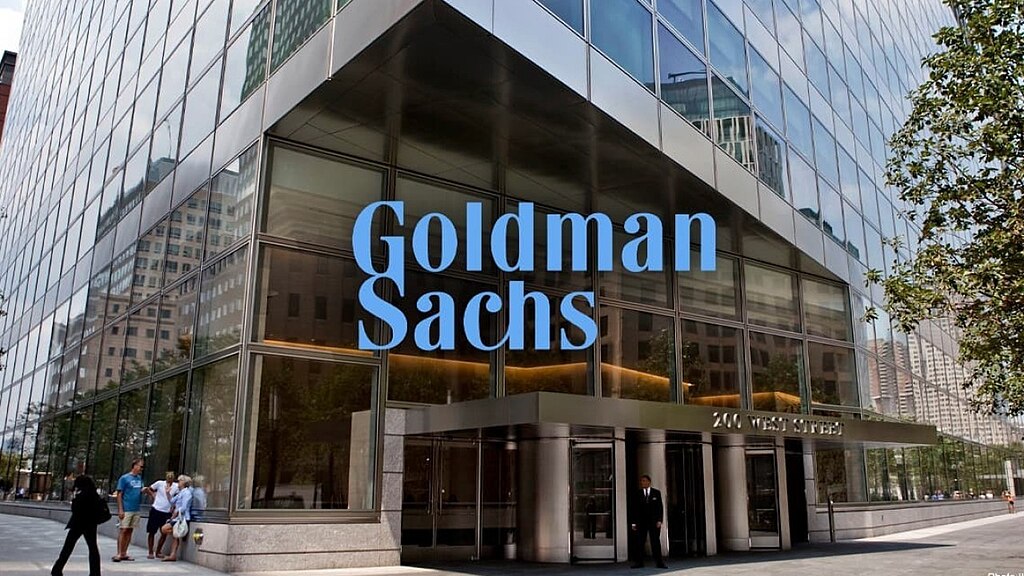
Goldman Sachs' fixed income trading division took a hit in the first quarter, with revenue dropping 10% to $4.01 billion, as surging market volatility tied to the Iran conflict forced the Wall Street giant to hold unfavorable positions as a market maker. Two sources familiar with the matter, speaking anonymously, confirmed that the bank's Fixed Income, Currencies and Commodities (FICC) unit suffered losses on specific positions near the quarter's end — a detail not officially disclosed by the firm but previously reported by the Financial Times.
The results stood in sharp contrast to major competitors. JPMorgan Chase reported a 21% surge in fixed-income revenue to $7.1 billion, while Citigroup and Morgan Stanley also posted notable gains. Bank of America recorded modest improvements in the same segment. Goldman's underperformance raised eyebrows across Wall Street, particularly given its reputation as a leading global market maker in equities, FICC, and derivatives.
Goldman Sachs President John Waldron pushed back against concerns at a Semafor conference in Washington, attributing the shortfall to the natural rhythm of market-making. He emphasized that short-term disruptions are inevitable and expressed full confidence in the long-term strength of the FICC business.
The broader backdrop played a significant role in the quarter's turbulence. The Iran conflict triggered an energy price shock that rattled currency and bond markets, forcing investors to reconsider expectations for central bank interest rate cuts. Rising oil prices and persistent inflation uncertainty caused rapid repricing across global rates and foreign exchange markets, with many analysts warning that major central banks could maintain a hawkish stance longer than anticipated.
Wells Fargo banking analyst Mike Mayo noted that Goldman's heavy macro exposure in rates left it vulnerable during March's sharp market shifts. While one difficult quarter may be forgiven, he cautioned that repeated underperformance could raise deeper strategic questions about the firm's trading positioning.







