


 Asian Currencies Stay Range-Bound as Investors Eye China Data, RBNZ Outlook and U.S.-Iran Ceasefire
  Gold Prices Drop as Fed Rate Outlook and Iran Tensions Weigh on Market
  Asian Stocks Slip as US-Iran Ceasefire Hopes Lift Oil, Dollar Strength Persists
  Trump Questions Housing Bill as He Prioritizes SAVE America Act
  Iran Skips U.S. Technical Talks Over Unmet MoU Conditions and Frozen Funds Dispute
  Sheinbaum Says No One Is Above the Law After Abuse Video of Ex-Pemex Chief Emerges
  Canada Grants C$7 Million to Greenland Molybdenum Mine to Strengthen Critical Minerals Supply
  US Strikes Iran Again After Strait of Hormuz Tanker Attack Escalates Ceasefire Tensions
  Oil Prices Rise as US-Iran Tensions Threaten Strait of Hormuz Oil Shipments
  US Stock Futures Rise as US-Iran Ceasefire Hopes Boost Market Sentiment
  Andy Burnham Sets Out Vision to Decentralize Britain as Labour Leadership Race Begins
  Taiwan Coast Guard Officer Finds Strength in Faith as China Increases Pressure in Taiwan Strait
  Global Financial Firms Shift Asia Expansion Focus to South Korea as China, India Face Caution
  World Bank Approves $1.1 Billion Emergency Funding for Bangladesh Amid Food and Energy Price Pressures
  Israeli Airstrike Kills Three in Central Gaza Despite Ceasefire
  Japan Targets 1%+ Real Economic Growth With ¥370 Trillion Investment Plan
  Argentina Economy Shrinks 1.5% in April, Recovery Under Milei Loses Momentum


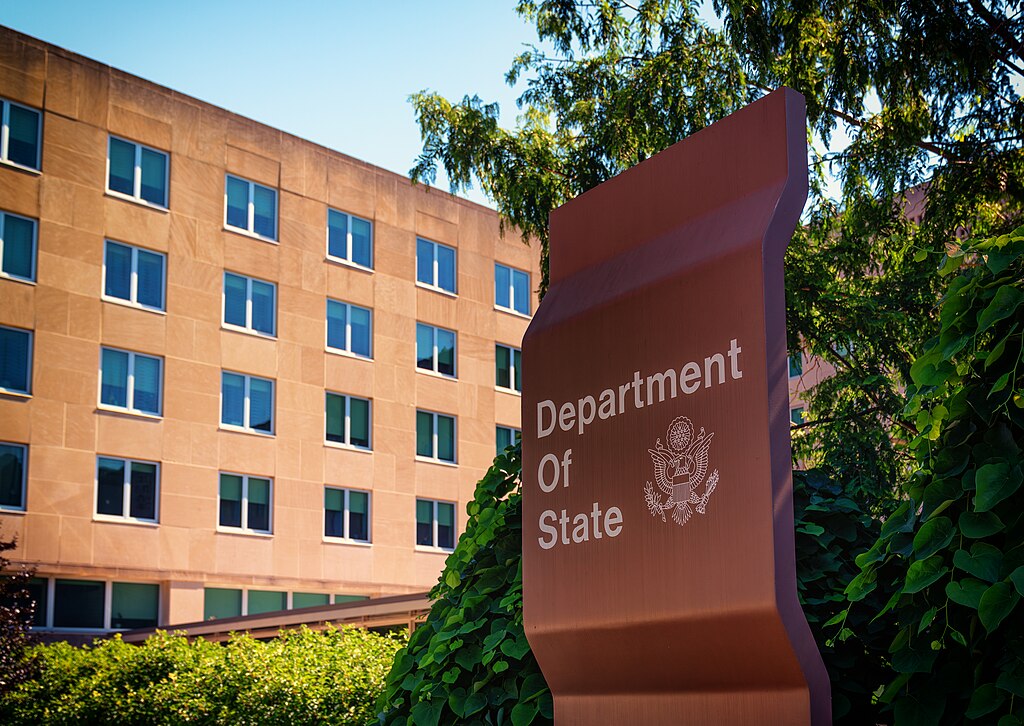
The United States and the Philippines are set to develop a massive 4,000-acre (1,620 hectares) industrial hub as part of a growing Washington-led effort to secure global AI and semiconductor supply chains. The announcement came from the U.S. State Department following Manila's official entry into Pax Silica, a strategic program designed to protect critical technology supply chains from minerals extraction to advanced manufacturing and data infrastructure.
With this move, the Philippines becomes the 13th nation to sign onto Pax Silica, joining a coalition that includes Australia, Finland, India, Qatar, South Korea, and Singapore. The initiative is widely regarded as a cornerstone of the Trump administration's economic statecraft agenda, which seeks to reduce American dependence on rival nations while deepening ties with trusted allies.
The planned industrial hub will be located within the Luzon Economic Corridor, a dynamic economic zone encompassing the capital Manila and surrounding industrial and manufacturing regions. This corridor is also part of a broader trilateral infrastructure investment commitment involving the Philippines, Japan, and the United States, positioning it as a major node in allied supply chain networks.
According to the State Department, the facility is intended to function as a dedicated platform for allied manufacturing operations. Both governments have expressed strong commitment to reinforcing shared supply chains across critical minerals, semiconductors, and electronics — sectors considered vital to national security and technological competitiveness.
The development reflects the deepening bilateral relationship between Manila and Washington under Philippine President Ferdinand Marcos Jr., who has increasingly aligned his country with U.S. strategic interests. Beyond economic cooperation, the Philippines plays a pivotal role in Washington's broader efforts to address China's growing assertiveness in the South China Sea, making this partnership significant on both economic and geopolitical fronts.







