


 Samsung to Launch First Yongin Chip Plant by 2029 as South Korea Speeds Up Semiconductor Hub
  DOJ Grand Jury Investigates UAW President Shawn Fain Ahead of Union Election
  Yaskawa Electric Shares Slide as Weak Profit Overshadows Strong AI Demand
  Mastercard Explores Sale of Majority Stake in UK Payments Firm Vocalink: Report
  Nippon Paint Reportedly Offers Up to €7.5 Billion for Akzo Nobel Decorative Paints Business
  OpenAI Executive Fidji Simo to Step Down Amid Health Challenges Ahead of IPO
  Apple Sues OpenAI, Former Employees Over Alleged Trade Secret Theft
  Samsung Chairman Lee Jae-yong Expected to Meet Nvidia CEO Jensen Huang on AI and Chip Partnership
  Levi Strauss Raises 2026 Outlook After Q2 Earnings Beat, Shares Drop Despite Strong Results
  Nvidia Tightens AI Chip Sales in Asia With Stricter Customer Approval Process
  Morgan Stanley Names Marks & Spencer Top European Retail Pick, Sees Strong Upside
  SK Hynix Shares Drop After Strong Nasdaq Debut Despite $26 Billion ADR Listing
  Morgan Stanley Says China’s Reusable Rocket Progress Poses Long-Term Challenge to SpaceX
  Genesis Minerals to Acquire Vault in A$5.6 Billion Deal After Regis Withdraws
  Paramount-Warner Bros. Discovery Merger Faces Lawsuit From 12 States
  Oppenheimer Sees CNH Industrial as Top 2026 Agriculture Stock Pick on Dealer Consolidation Strategy
  Elon Musk Says Anthropic Leads AI Race as Claude Models Challenge OpenAI


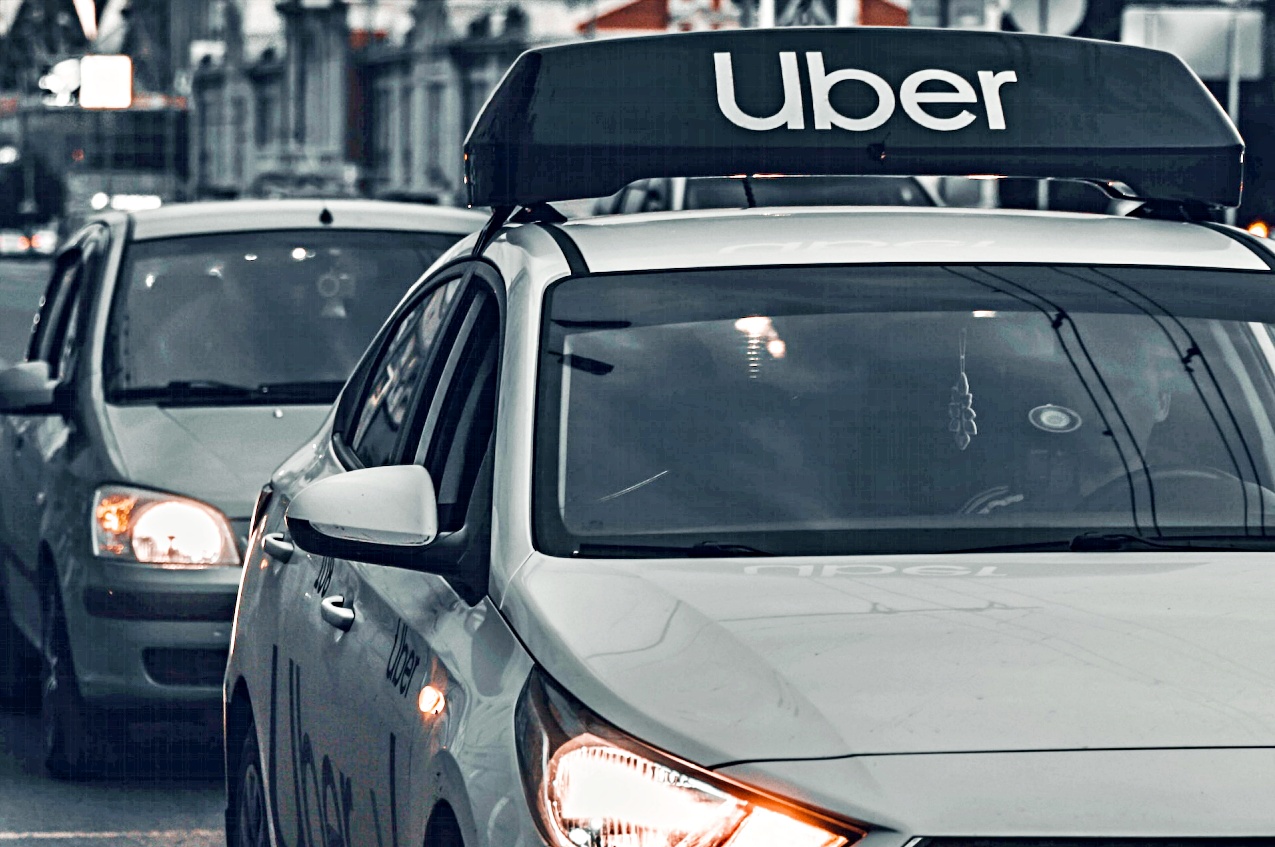
Uber is making a bold strategic pivot, reportedly committing over $10 billion toward acquiring thousands of self-driving vehicles and securing ownership stakes in autonomous vehicle developers. The move signals a significant departure from the ride-hailing giant's traditional asset-light, gig economy framework — a model that has long defined how the company operates without owning the cars on its platform.
The Financial Times broke the story, highlighting that Uber's leadership is taking aggressive steps to stay ahead of the rapidly evolving robotaxi landscape. Reuters has not yet independently confirmed the details of the report.
This major financial commitment reflects growing pressure on Uber from competitors and emerging autonomous mobility startups that are reshaping urban transportation. By investing directly in self-driving technology companies and their fleets, Uber appears determined to secure its position at the forefront of the next generation of ride-sharing rather than risk being sidelined by the very disruption it helped inspire.
The robotaxi industry has been gaining serious momentum, with players like Waymo already operating commercial driverless services in select U.S. cities. For Uber, staying competitive now means moving beyond merely connecting riders with human drivers and instead controlling a piece of the autonomous future — even if that means taking on greater capital risk and asset ownership.
This strategic shift could have far-reaching implications for Uber's business model, investor expectations, and the broader gig economy workforce. Independent contractors who currently drive for the platform may eventually face displacement as automation scales, raising important questions about the future of gig work in the transportation sector.
If confirmed, Uber's multi-billion-dollar bet on autonomous vehicles could redefine what kind of company it ultimately becomes — and accelerate the timeline for mainstream self-driving transportation worldwide.







