


 Gold Price Falls as Fed Rate Hike Fears and U.S.-Iran Tensions Weigh on Bullion
  Japan Targets 1%+ Real Economic Growth With ¥370 Trillion Investment Plan
  Asian Currencies Stay Range-Bound as Investors Eye China Data, RBNZ Outlook and U.S.-Iran Ceasefire
  Gold Price Hits Annual Low as Fed Rate Hike Bets and Sticky Inflation Weigh on Bullion
  Central Banks Eye Gold, Reduce Dollar Exposure as AI Adoption Accelerates: OMFIF Survey
  Gold Price Ends Lower for Fourth Week Despite Rebound as Fed Rate Hike Bets Strengthen
  US Dollar Slips After PCE Inflation Data as Fed Rate Hike Expectations Stay Elevated
  Dollar Slips Ahead of Key U.S. Jobs Data as Fed Rate Outlook, ECB, and Iran Talks Shape Forex Markets
  Trump Urges Gasoline Retailers to Cut Prices to $2.50 Per Gallon, Warns of Legal Action
  RBA Minutes Signal Australia Central Bank Remains Ready to Raise Interest Rates if Inflation Persists
  Gold Prices Drop as Fed Rate Outlook and Iran Tensions Weigh on Market
  Economic pessimism has set in – but there are reasons for Australians to be hopeful
  Yen Falls to 40-Year Low as Markets Watch Japan Intervention and U.S. Jobs Report
  Trump Suspends Some Morocco Fertilizer Tariffs to Ease U.S. Supply Shortage
  China Expands Export Controls, Adds 20 Japanese Companies to Restricted List
  Trump Threatens 100% Tariffs on Countries Imposing Digital Services Taxes on U.S. Tech Firms
  US Stock Futures Rise as US-Iran Ceasefire Hopes Boost Market Sentiment


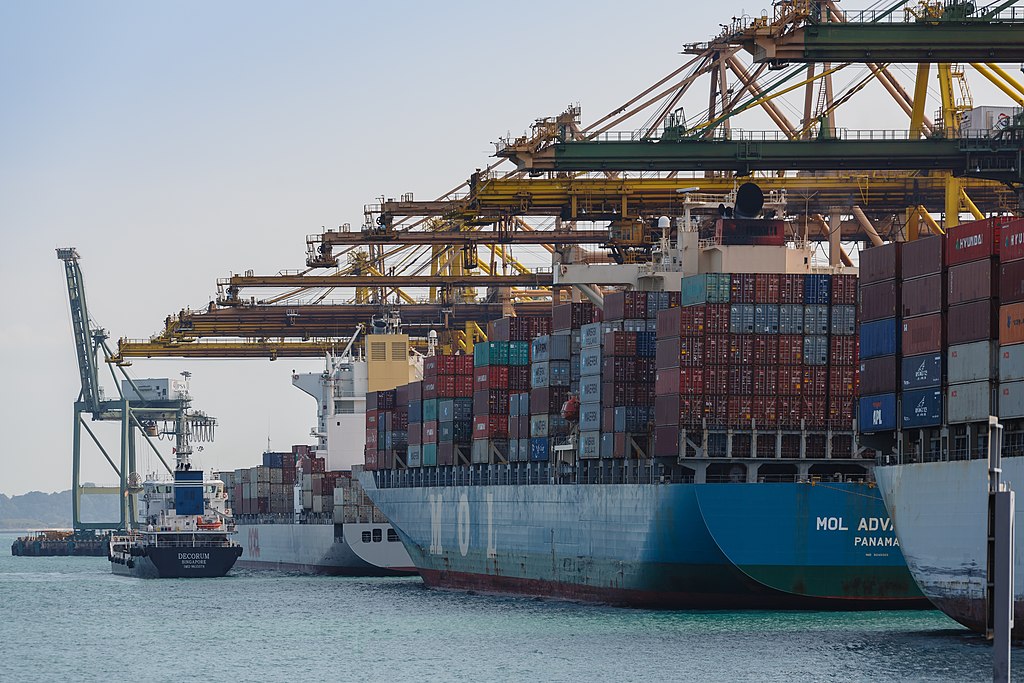
Singapore's non-oil domestic exports (NODX) posted a remarkable 15.3% year-on-year increase in March 2026, marking the seventh consecutive month of growth, according to Enterprise Singapore. The strong performance was largely fueled by surging global demand for artificial intelligence infrastructure and electronics components.
This latest expansion follows a 4% rise recorded in February, reflecting sustained momentum heading into the second quarter. Cumulative NODX growth for the first quarter of 2026 reached 9.6%, signaling broad-based resilience in Singapore's export sector despite an uneven global trade environment.
The electronics segment led the charge, buoyed by accelerating AI-driven procurement of servers, communication equipment, and other high-performance computing components. As businesses and governments worldwide race to build out AI capabilities, Singapore's role as a key electronics supplier has become increasingly vital to regional and global supply chains.
China emerged as one of the most significant growth markets during the period, ramping up its AI infrastructure investments at a substantial scale. The country's appetite for advanced server systems and network hardware translated directly into stronger Singaporean export volumes, reinforcing the bilateral trade relationship between the two economies.
Other top-performing destinations included Hong Kong and Taiwan, both of which recorded notable increases in import volumes from Singapore. These markets continue to serve as critical hubs in the broader Asia-Pacific technology supply network.
However, not all trade lanes experienced gains. Exports to Indonesia, the European Union, Thailand, and the United States declined during March, highlighting geographic divergences tied to differing economic conditions, policy environments, and demand cycles in those regions.
Overall, Singapore's export performance in early 2026 underscores the growing economic influence of artificial intelligence as a driver of international trade, positioning the city-state as a key beneficiary of the global AI investment wave.







