


 Andy Burnham Sets Out Vision to Decentralize Britain as Labour Leadership Race Begins
  Mexico, U.S. Launch Sterile Fly Facility to Combat New World Screwworm Outbreak
  Javier Milei Cabinet Chief Manuel Adorni Resigns Amid Spending Scandal Investigation
  Ukraine Strikes Russian Titan-Barrikady Plant With Long-Range FP-5 Flamingo Missile
  Trump Signs Memorandum Backing Americans’ Right to Repair Their Own Vehicles
  Trump Announces September Overhaul of Washington’s East Potomac Golf Links
  Russia Intensifies Assault on Kostiantynivka as Ukraine’s Donetsk Defense Faces Mounting Pressure
  Australia Plans Higher Fines for Social Media Firms Failing to Block Underage Users
  Iran Skips U.S. Technical Talks Over Unmet MoU Conditions and Frozen Funds Dispute
  Canada Grants C$7 Million to Greenland Molybdenum Mine to Strengthen Critical Minerals Supply
  Maria Corina Machado Vows Return to Venezuela After Earthquakes Despite Obstacles
  US, Iran Agree to Halt Attacks Ahead of Doha Talks on Strait of Hormuz
  Supreme Court Backs Lisa Cook, Defends Federal Reserve Independence Against Trump Firing Attempt
  US Strikes Iran Again After Strait of Hormuz Tanker Attack Escalates Ceasefire Tensions
  Trump Suspends Some Morocco Fertilizer Tariffs to Ease U.S. Supply Shortage
  Israeli Airstrike Kills Three in Central Gaza Despite Ceasefire
  Australia, Vanuatu Sign Security Pact Amid Pacific Influence Competition


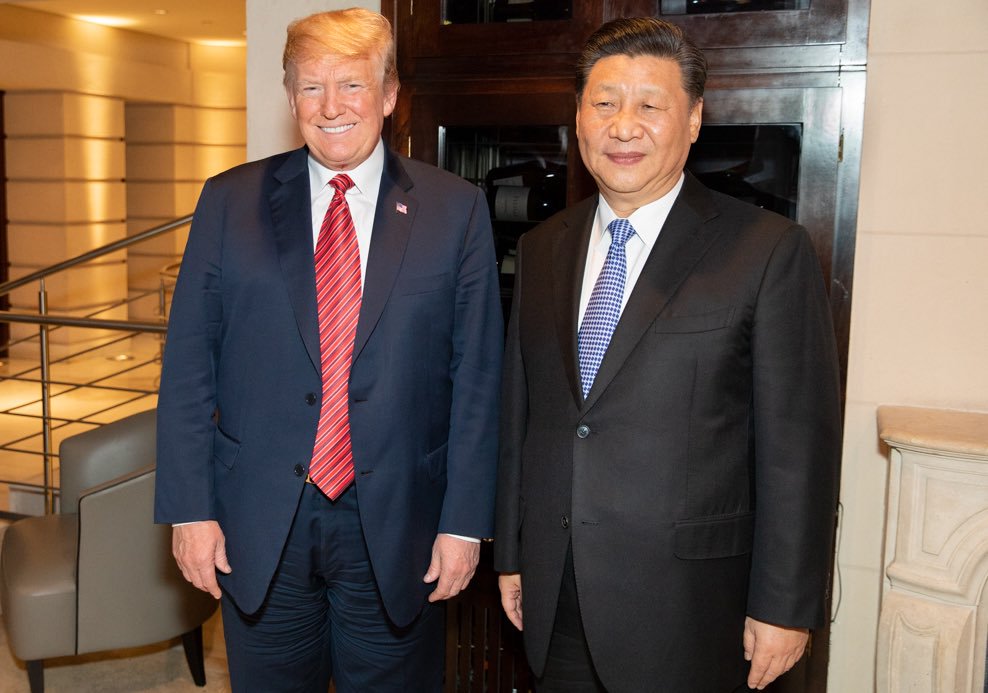
China is intensifying its push to end the Iran war while carefully balancing its relationship with Tehran ahead of a pivotal summit between President Xi Jinping and U.S. President Donald Trump scheduled for mid-May. As the world's largest crude oil importer — drawing nearly half its energy supply from the Middle East — Beijing has strong economic incentives to help restore regional stability.
Beijing's diplomatic strategy has proven effective enough that Trump publicly acknowledged China's role in bringing Iran to recent peace negotiations held in Pakistan. This behind-the-scenes influence, analysts say, gives China meaningful leverage in international diplomacy without requiring a formal seat at the negotiating table.
Xi unveiled a four-point peace framework calling for national sovereignty, peaceful coexistence, international rule of law, and a balance between development and security. Meanwhile, Foreign Minister Wang Yi has conducted nearly 30 diplomatic calls and meetings, and special envoy Zhai Jun has visited five Gulf and Arab capitals — traveling by road at times to avoid active conflict zones.
China's approach to the Trump summit is calculated. Beijing reportedly views Trump as transactional and responsive to diplomatic goodwill, and is expected to offer major economic concessions — potentially including a historic Boeing aircraft purchase and significant agricultural deals — to advance its interests on trade policy and Taiwan.
Analysts warn, however, that China's regional influence has clear limits. Without a military presence in the Middle East, its ability to enforce or guarantee any ceasefire remains constrained. Some experts describe Beijing's diplomatic activity as more performative than substantive, noting that China has declined Iran's requests to serve as a formal ceasefire guarantor.
The upcoming Trump-Xi summit is expected to remain narrowly focused, with little prospect of a sweeping bilateral agreement despite the flurry of diplomatic activity surrounding it.







