


 China Factory PMI Seen Returning to Growth in June as AI Export Demand Supports Economy
  Global Financial Firms Shift Asia Expansion Focus to South Korea as China, India Face Caution
  Oil Prices Rise as US-Iran Tensions Threaten Strait of Hormuz Oil Shipments
  Maria Corina Machado Vows Return to Venezuela After Earthquakes Despite Obstacles
  Australia, Vanuatu Sign Security Pact Amid Pacific Influence Competition
  Supreme Court Backs Lisa Cook, Defends Federal Reserve Independence Against Trump Firing Attempt
  Serbia Protests Continue as Thousands Rally Despite Vucic’s Resignation Plan
  China Manufacturing PMI Edges Higher in June as Exports and AI Investment Boost Growth
  Javier Milei Cabinet Chief Manuel Adorni Resigns Amid Spending Scandal Investigation
  US Dollar Slips After PCE Inflation Data as Fed Rate Hike Expectations Stay Elevated
  Economic pessimism has set in – but there are reasons for Australians to be hopeful
  Trump Suspends Some Morocco Fertilizer Tariffs to Ease U.S. Supply Shortage
  Argentina Economy Shrinks 1.5% in April, Recovery Under Milei Loses Momentum
  Canada Grants C$7 Million to Greenland Molybdenum Mine to Strengthen Critical Minerals Supply
  Andy Burnham Sets Out Vision to Decentralize Britain as Labour Leadership Race Begins
  World Bank Approves $1.1 Billion Emergency Funding for Bangladesh Amid Food and Energy Price Pressures


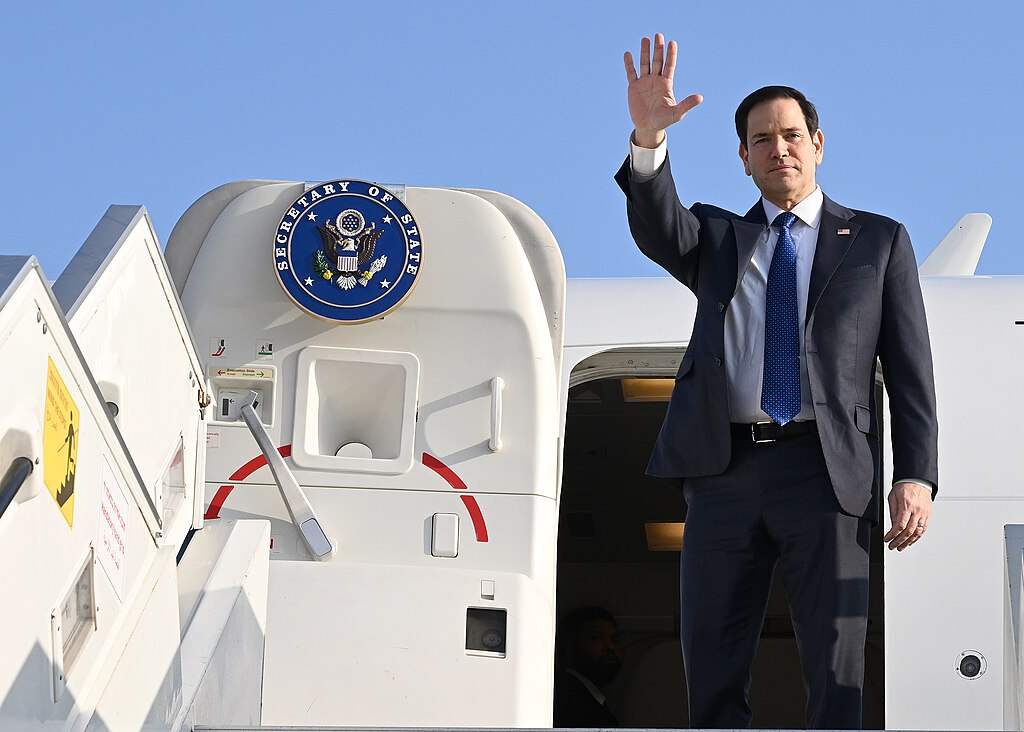
U.S. Secretary of State Marco Rubio arrived in India on Saturday for a four-day diplomatic visit aimed at strengthening the increasingly strained U.S.-India relationship. The visit comes as both countries attempt to move past trade disputes caused by President Donald Trump’s tariff policies and growing concerns over Washington’s renewed engagement with Pakistan and China.
Rubio’s first official trip to India includes stops in New Delhi, Kolkata, Agra, and Jaipur. According to the U.S. State Department, discussions will focus on trade agreements, energy cooperation, defense partnerships, and Indo-Pacific security.
The United States has long viewed India as a key strategic partner in countering China’s growing influence in the Indo-Pacific region. Previous U.S. administrations, including Trump’s first term, pushed for stronger ties with New Delhi. However, relations were damaged after the Trump administration imposed some of the highest tariffs on Indian imports last year.
Although both sides later reached an interim trade framework that reduced tariffs on Indian goods from 50% to 18%, a final trade agreement has yet to be completed. Negotiations reportedly slowed after the U.S. Supreme Court struck down Trump-era tariffs earlier this year, temporarily lowering duties to 10%.
Energy security has also become a major issue in bilateral talks. The ongoing U.S.-Israeli conflict involving Iran disrupted global energy markets and complicated Washington’s efforts to reduce India’s dependence on Russian oil imports. Rubio stated that the U.S. hopes to expand energy exports to India, calling India “a great ally and partner.”
India has also expressed concern over improving U.S.-Pakistan relations, especially after Islamabad became involved in diplomatic efforts related to Middle East tensions. Analysts say these developments have created uncertainty in New Delhi about the future of U.S.-India cooperation.
Meanwhile, the future of the Quad alliance — which includes the U.S., India, Japan, and Australia — remains under scrutiny as no leader-level summit has been confirmed. Despite challenges, both countries continue emphasizing the importance of a “free and open Indo-Pacific” and stronger strategic collaboration in Asia-Pacific security.







