


 RBA Says ASX Still Falls Short on Governance and Risk Controls
  China Industrial Profit Growth Slows as Weak Demand Offsets AI Gains
  Gold Slides Below $4,300 as Oil Surge Fuels Fed Rate Hike Bets
  Fed’s Hammack Says Bond Yield Surge Is Not Driven by Inflation Fears
  Yen in Focus as BOJ, Fed Rate Hikes Reshape Currency Markets
  Fed’s Williams Signals One More Rate Hike Before Year-End
  RBA Hikes Interest Rate to 4.60% as Inflation Risks Rise
  Asian Currencies Weaken as Dollar, Oil Prices Rise
  Global Central Banks Brace for More Rate Hikes as Inflation Risks Rise
  Nvidia China Chip Sales Report Sends Chinese Semiconductor Stocks Lower
  Australia Budget Deficit Narrows to A$22.3 Billion on Stronger Tax Revenue
  Fed Unveils Stablecoin Rules Under GENIUS Act
  Asian Currencies Mixed as Yen Weakens, RBA Hike Looms
  Gold Holds Near Seven-Week Low as Fed Rate Hike Bets Rise


 Add as a preferred source on Google
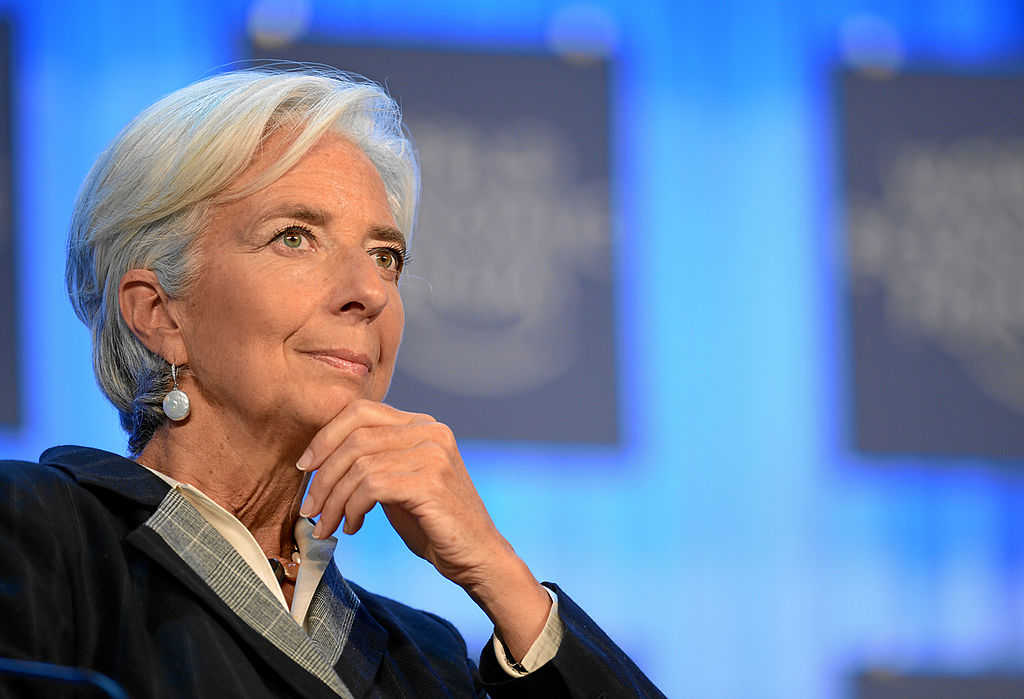
European Central Bank President Christine Lagarde warned that inflation in the euro zone is expected to continue rising due to the ongoing Iran war, even if the Strait of Hormuz reopens immediately. Speaking on Friday after a meeting with euro zone finance ministers, Lagarde explained that the economic impact of the conflict would not disappear overnight because global markets would still face delayed effects tied to supply chain recovery and energy market stabilization.
Lagarde emphasized that reopening the strategic shipping route alone would not instantly restore previous economic conditions. The Strait of Hormuz is one of the world’s most critical oil transit routes, and disruptions there have already increased concerns over higher energy prices, rising transportation costs, and broader inflationary pressure across Europe. According to the ECB chief, these aftereffects are likely to continue influencing consumer prices in the euro area for some time.
The comments come as European economies struggle with persistent inflation challenges and uncertainty linked to geopolitical tensions in the Middle East. Investors and policymakers are closely monitoring the impact of the Iran conflict on oil markets, as higher crude prices could further complicate the European Central Bank’s efforts to stabilize inflation.
Lagarde reiterated that the ECB remains fully committed to maintaining price stability and achieving its long-term inflation target of 2%. She stated that the central bank is prepared to take any necessary monetary policy measures to control inflation if price pressures continue to intensify.
Financial markets reacted cautiously to Lagarde’s remarks, with analysts warning that prolonged geopolitical instability could increase economic risks for the euro zone. Rising energy costs and supply disruptions remain key concerns for European businesses and consumers as the region faces a fragile economic recovery amid global uncertainty.







