


 Economic pessimism has set in – but there are reasons for Australians to be hopeful
  Asian Stocks End Strong Quarter as Dollar Surges, Yen Hits 40-Year Low Ahead of US Jobs Data
  Serbia Protests Continue as Thousands Rally Despite Vucic’s Resignation Plan
  US Dollar Slips After PCE Inflation Data as Fed Rate Hike Expectations Stay Elevated
  Russian Attacks Kill Four in Ukraine as Zaporizhzhia and Kharkiv Come Under Fire
  China Expands Export Controls, Adds 20 Japanese Companies to Restricted List
  Supreme Court Backs Lisa Cook, Defends Federal Reserve Independence Against Trump Firing Attempt
  Oil Prices Slip as U.S.-Iran Peace Talks and Strait of Hormuz Risks Keep Markets on Edge
  Central Banks Eye Gold, Reduce Dollar Exposure as AI Adoption Accelerates: OMFIF Survey
  Trump Threatens 100% Tariffs on Countries Imposing Digital Services Taxes on U.S. Tech Firms
  US Stock Futures Rise as US-Iran Ceasefire Hopes Boost Market Sentiment
  US Strikes Iran Again After Strait of Hormuz Tanker Attack Escalates Ceasefire Tensions
  Argentina Economy Shrinks 1.5% in April, Recovery Under Milei Loses Momentum
  Ukraine Strikes Russian Titan-Barrikady Plant With Long-Range FP-5 Flamingo Missile
  Trump Suspends Some Morocco Fertilizer Tariffs to Ease U.S. Supply Shortage
  China Sets 1.25% Overnight Reverse Repo Rate Below Market Expectations
  China Manufacturing PMI Edges Higher in June as Exports and AI Investment Boost Growth


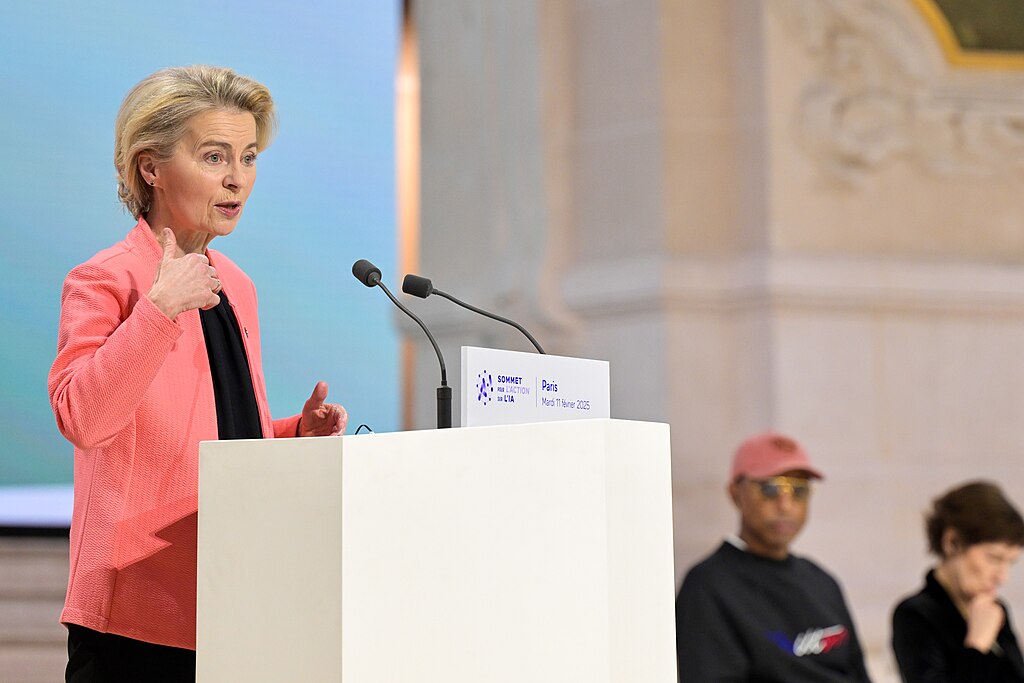
Mexico and the European Union officially signed a long-delayed free trade agreement aimed at strengthening economic ties and reducing reliance on the United States amid ongoing tariff tensions linked to U.S. President Donald Trump’s trade policies. The updated pact modernizes the original 2000 Mexico-EU trade agreement, significantly expanding its scope beyond industrial goods to include services, digital trade, investment, government procurement, and agricultural products.
Mexican President Claudia Sheinbaum joined European Commission President Ursula von der Leyen and European Council President Antonio Costa in Mexico City to finalize the agreement during the first summit between both sides in more than ten years. European leaders described the accord as a major geopolitical move designed to boost economic resilience and diversify trade partnerships in an increasingly uncertain global market.
Costa called the agreement a “geopolitical statement,” while Sheinbaum emphasized new opportunities in sectors such as pharmaceuticals, agriculture, electric mobility, and technology development. Von der Leyen added that the agreement is expected to create jobs and economic growth on both sides of the Atlantic.
The deal comes as both Mexico and the EU continue facing elevated U.S. tariffs. The European Union was targeted by Trump’s “Liberation Day” tariffs in 2025, while Mexico has struggled with duties on steel, aluminum, and automotive exports. These pressures accelerated efforts to strengthen alternative trade partnerships.
Mexico’s economy ministry projects that exports to the EU could increase from roughly $24 billion annually to $36 billion by 2030. Meanwhile, EU exports to Mexico currently total about $65 billion per year. Trade between the two regions has already grown by 75% over the past decade, led by machinery, chemicals, fuels, mining products, and transportation equipment.
The agreement also grants near duty-free access for most goods, including Mexican asparagus and chicken, as well as European cheese, pork, and milk powder, though some quotas will remain in place. The deal still requires approval from the European Parliament, where analysts expect it to pass within the coming months.







