


 Serbia President Aleksandar Vucic to Resign, Calls Early Elections After Months of Protests
  China Expands Export Controls, Adds 20 Japanese Companies to Restricted List
  US, Iran Agree to Halt Attacks Ahead of Doha Talks on Strait of Hormuz
  Maria Corina Machado Vows Return to Venezuela After Earthquakes Despite Obstacles
  Ukraine Strikes Russian Titan-Barrikady Plant With Long-Range FP-5 Flamingo Missile
  World Bank Approves $1.1 Billion Emergency Funding for Bangladesh Amid Food and Energy Price Pressures
  Trump Announces September Overhaul of Washington’s East Potomac Golf Links
  Canada Grants C$7 Million to Greenland Molybdenum Mine to Strengthen Critical Minerals Supply
  Oil Prices Rise as US-Iran Tensions Threaten Strait of Hormuz Oil Shipments
  Iran Skips U.S. Technical Talks Over Unmet MoU Conditions and Frozen Funds Dispute
  Andy Burnham Sets Out Vision to Decentralize Britain as Labour Leadership Race Begins
  Despite its best efforts, Iran won’t be able to toll the Strait of Hormuz. Here’s why
  US Strikes Iran Again After Strait of Hormuz Tanker Attack Escalates Ceasefire Tensions
  Trump Suspends Some Morocco Fertilizer Tariffs to Ease U.S. Supply Shortage
  Trump Questions Housing Bill as He Prioritizes SAVE America Act
  Gold Prices Drop as Fed Rate Outlook and Iran Tensions Weigh on Market
  Oil Prices Slip as U.S.-Iran Peace Talks and Strait of Hormuz Risks Keep Markets on Edge


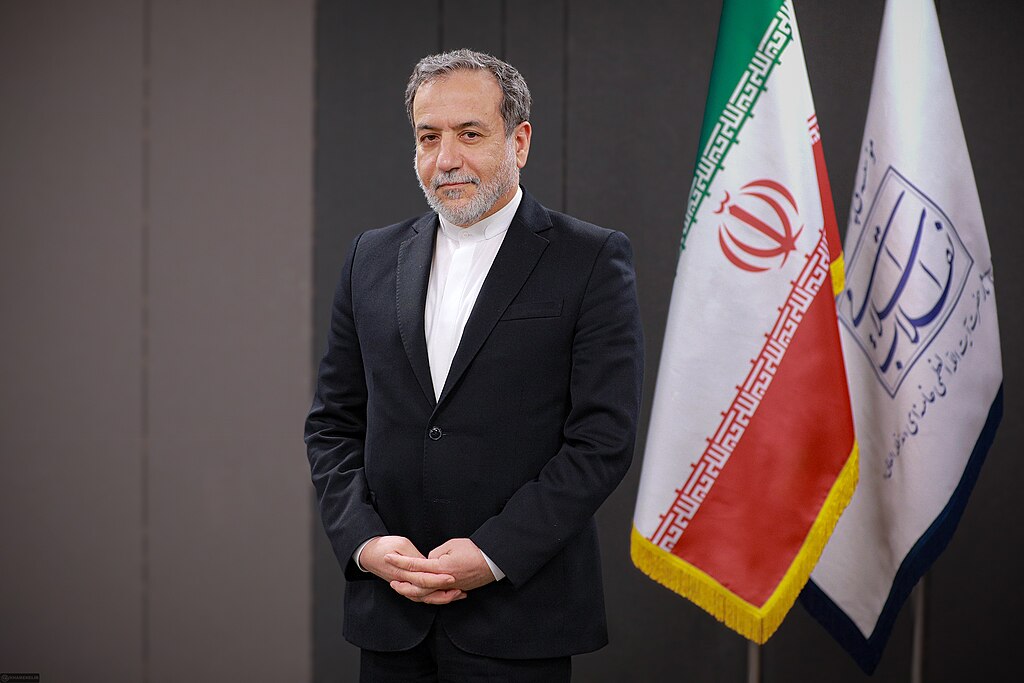
Iran’s Foreign Minister Abbas Araqchi met Pakistan’s Interior Minister Syed Mohsin Naqvi in Tehran on Friday to discuss proposals aimed at ending the ongoing U.S.-Israeli conflict, according to Iranian media reports. The talks come as tensions remain high over Iran’s uranium stockpile and Tehran’s control of the strategically vital Strait of Hormuz.
Iranian news agencies Tasnim and ISNA reported that Naqvi delivered messages related to ongoing negotiations between Tehran and Washington. The Pakistani official is believed to be playing a diplomatic role in facilitating communication between both sides in hopes of creating a framework for peace and reducing regional instability.
U.S. Secretary of State Marco Rubio said there were “some good signs” in negotiations but warned that any attempt by Iran to impose tolls or restrictions in the Strait of Hormuz would make a diplomatic solution impossible. The waterway is one of the world’s most important energy routes, previously handling nearly 20% of global oil and liquefied natural gas shipments before the war disrupted traffic.
Oil prices continued rising on Friday as investors remained uncertain about the outcome of the peace discussions. Analysts say fears of supply disruptions and inflation are increasing pressure on global markets. The International Energy Agency recently described the conflict as the world’s worst energy shock in years, warning that fuel shortages could intensify during peak summer demand.
Meanwhile, U.S. President Donald Trump stated that Washington intends to seize or destroy Iran’s highly enriched uranium stockpile, which the U.S. claims could be used for nuclear weapons development. Iran continues to deny the accusations, insisting its nuclear program is for peaceful purposes only.
Tehran’s latest proposal reportedly includes demands for sanctions relief, compensation for war damages, access to frozen assets, and U.S. troop withdrawals. However, disagreements over uranium enrichment and shipping control in the Strait of Hormuz remain major obstacles to a final agreement.







