


 Australia Plans Higher Fines for Social Media Firms Failing to Block Underage Users
  Gold Price Hits Annual Low as Fed Rate Hike Bets and Sticky Inflation Weigh on Bullion
  Trump Questions Housing Bill as He Prioritizes SAVE America Act
  Serbia President Aleksandar Vucic to Resign, Calls Early Elections After Months of Protests
  Javier Milei Cabinet Chief Manuel Adorni Resigns Amid Spending Scandal Investigation
  Argentina Economy Shrinks 1.5% in April, Recovery Under Milei Loses Momentum
  Australia, Vanuatu Sign Security Pact Amid Pacific Influence Competition
  Asian Stocks End Strong Quarter as Dollar Surges, Yen Hits 40-Year Low Ahead of US Jobs Data
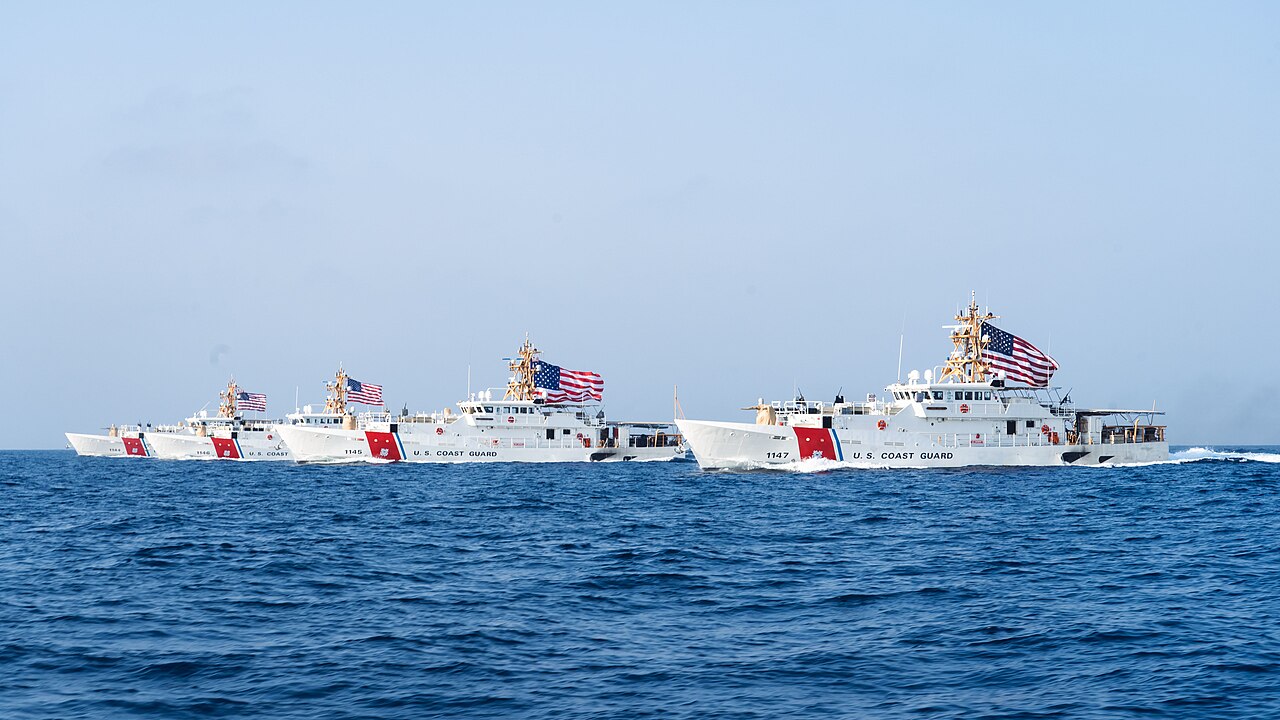
  Taiwan Coast Guard Officer Finds Strength in Faith as China Increases Pressure in Taiwan Strait
  Gold Price Falls as Fed Rate Hike Fears and U.S.-Iran Tensions Weigh on Bullion
  Dollar Slips Ahead of Key U.S. Jobs Data as Fed Rate Outlook, ECB, and Iran Talks Shape Forex Markets
  Ukraine Strikes Russian Titan-Barrikady Plant With Long-Range FP-5 Flamingo Missile
  Oil Prices Rise as US-Iran Tensions Threaten Strait of Hormuz Oil Shipments
  China Expands Export Controls, Adds 20 Japanese Companies to Restricted List
  Oil Prices Slip as U.S.-Iran Peace Talks and Strait of Hormuz Risks Keep Markets on Edge
  China Manufacturing PMI Edges Higher in June as Exports and AI Investment Boost Growth


U.S. President Donald Trump intensified pressure on Iran Thursday, declaring that Washington would eventually seize Tehran’s highly enriched uranium stockpile amid ongoing but fragile diplomatic negotiations over Iran’s nuclear program and control of the Strait of Hormuz.
Speaking at the White House, Trump said the United States would not allow Iran to retain uranium that Washington believes could be used to build nuclear weapons. Iran continues to insist its nuclear activities are strictly for peaceful purposes.
“We will get it. We don’t need it, we don’t want it,” Trump said, adding that the uranium stockpile would likely be destroyed once secured.
U.S. Secretary of State Marco Rubio acknowledged “some good signs” in recent talks with Tehran but warned that Iran’s proposal to impose tolls on ships using the Strait of Hormuz could derail any diplomatic breakthrough. Rubio described such a move as illegal and a threat to global trade.
The Strait of Hormuz remains one of the world’s most critical oil transit routes, previously handling nearly 20% of global oil and gas shipments. Ongoing tensions and reduced shipping traffic have fueled volatility in global oil prices and raised fears of a broader energy crisis.
According to Iranian sources cited by Reuters, negotiations have narrowed some differences, but major disputes remain unresolved. Key sticking points include uranium enrichment, sanctions relief, compensation for war damages, and Iran’s authority over the strategic waterway.
Iran’s leadership has reportedly refused to send enriched uranium abroad, signaling continued resistance to U.S. demands. Meanwhile, Tehran has warned that any renewed U.S. or Israeli military strikes would trigger retaliation beyond the Middle East.
The International Energy Agency warned that the conflict could push global energy markets into the “red zone” during peak summer demand, especially as oil supply disruptions continue.
Despite weeks of diplomacy following a fragile ceasefire, no final agreement appears imminent as both Washington and Tehran maintain firm positions on nuclear security and regional influence.







