


 Sheinbaum Says No One Is Above the Law After Abuse Video of Ex-Pemex Chief Emerges
  Mexico, U.S. Launch Sterile Fly Facility to Combat New World Screwworm Outbreak
  Trump Announces September Overhaul of Washington’s East Potomac Golf Links
  Canada Grants C$7 Million to Greenland Molybdenum Mine to Strengthen Critical Minerals Supply
  Serbia President Aleksandar Vucic to Resign, Calls Early Elections After Months of Protests
  Israeli Airstrike Kills Three in Central Gaza Despite Ceasefire
  Russia Intensifies Assault on Kostiantynivka as Ukraine’s Donetsk Defense Faces Mounting Pressure
  Trump Suspends Some Morocco Fertilizer Tariffs to Ease U.S. Supply Shortage
  Trump Questions Housing Bill as He Prioritizes SAVE America Act
  Trump Urges Gasoline Retailers to Cut Prices to $2.50 Per Gallon, Warns of Legal Action
  Asian Stocks End Strong Quarter as Dollar Surges, Yen Hits 40-Year Low Ahead of US Jobs Data
  US Dollar Slips After PCE Inflation Data as Fed Rate Hike Expectations Stay Elevated
  Russian Attacks Kill Four in Ukraine as Zaporizhzhia and Kharkiv Come Under Fire
  Russian Attacks on Dnipro, Zaporizhzhia, and Kharkiv Kill 10 as Ukraine Vows Response
  China Expands Export Controls, Adds 20 Japanese Companies to Restricted List
  Central Banks Eye Gold, Reduce Dollar Exposure as AI Adoption Accelerates: OMFIF Survey


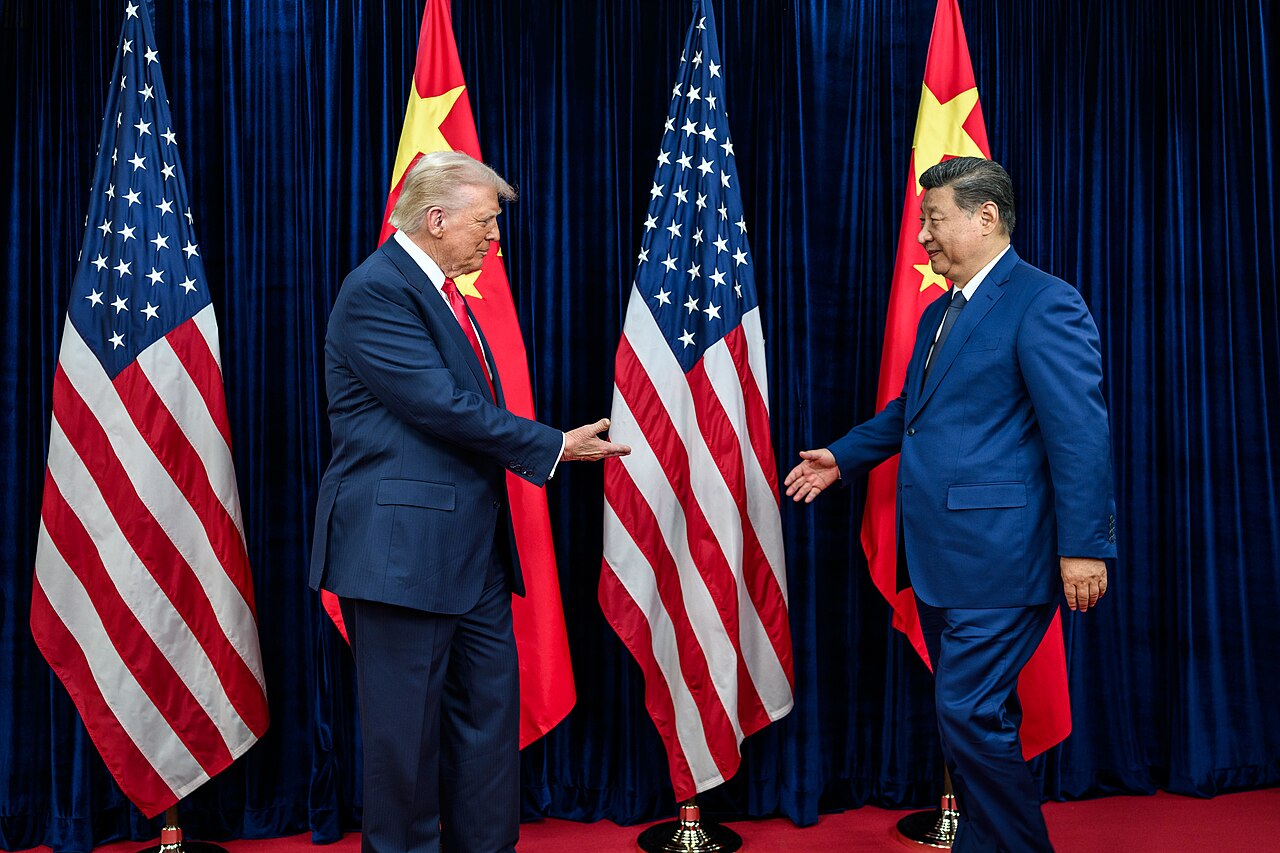
US President Donald Trump’s May 13–15 visit to China ended with both nations agreeing to strengthen communication and pursue a “constructive strategic stability” framework, signaling cautious progress in US-China relations. However, analysts at BofA Global Research said the summit delivered mostly tactical gains rather than major policy breakthroughs.
The high-profile meeting, the first by a sitting US president to China in nearly a decade, focused heavily on managing geopolitical risks and maintaining open dialogue between Washington and Beijing. Both governments emphasized cooperation in trade, agriculture, and supply chain stability while avoiding deeper disputes tied to technology and Taiwan.
One of the biggest outcomes involved agricultural trade. China committed to purchasing at least $17 billion worth of US agricultural products annually through 2028. The agreement also includes the previously announced pledge to buy 25 million metric tons of US soybeans made in October 2025. Additionally, China renewed export licenses for more than 400 American beef facilities and resumed selected poultry imports from the United States.
On the manufacturing front, Trump highlighted potential deals involving up to 750 Boeing aircraft and related engines, which could significantly benefit the US aerospace sector. The two countries also agreed to launch a new US-China Board of Trade aimed at facilitating commerce in non-sensitive industries.
Treasury Secretary Scott Bessent revealed that both nations are considering mutual tariff reductions covering approximately $30 billion in non-critical trade goods. However, uncertainty remains around technology policy and semiconductor exports. Despite speculation surrounding limited AI chip approvals for Chinese companies, Bessent confirmed there is currently no broader agreement on market access.
China continues prioritizing domestic semiconductor development while addressing US concerns over rare-earth minerals and supply chain security. Meanwhile, both countries unexpectedly aligned on Middle East stability, agreeing that Iran should never obtain nuclear weapons and that the Strait of Hormuz must remain open for global energy flows.
Taiwan remains the most sensitive issue in US-China relations, with President Xi Jinping warning against interference and Trump maintaining the current US policy stance while reportedly freezing a proposed $14 billion arms package to Taiwan.







