


 Russian Attacks Kill Four in Ukraine as Zaporizhzhia and Kharkiv Come Under Fire
  China Expands Export Controls, Adds 20 Japanese Companies to Restricted List
  France Keeps Top Health Alert as Officials Brace for Another Heatwave
  Russian Attacks on Dnipro, Zaporizhzhia, and Kharkiv Kill 10 as Ukraine Vows Response
  US Strikes Iran Again After Strait of Hormuz Tanker Attack Escalates Ceasefire Tensions
  Australia Plans Higher Fines for Social Media Firms Failing to Block Underage Users
  Trump Threatens 100% Tariffs on Countries Imposing Digital Services Taxes on U.S. Tech Firms
  Trump Suspends Some Morocco Fertilizer Tariffs to Ease U.S. Supply Shortage
  Trump Announces September Overhaul of Washington’s East Potomac Golf Links
  U.S. Eases Iran Team Travel Restrictions Ahead of Seattle World Cup Match
  Maria Corina Machado Vows Return to Venezuela After Earthquakes Despite Obstacles
  US Supreme Court Strikes Down Hawaii Gun Carry Law on Private Property
  Israeli Airstrike Kills Three in Central Gaza Despite Ceasefire
  Australia Sues Amazon Over Prime Video Ads and Subscription Terms
  Taiwan Coast Guard Officer Finds Strength in Faith as China Increases Pressure in Taiwan Strait


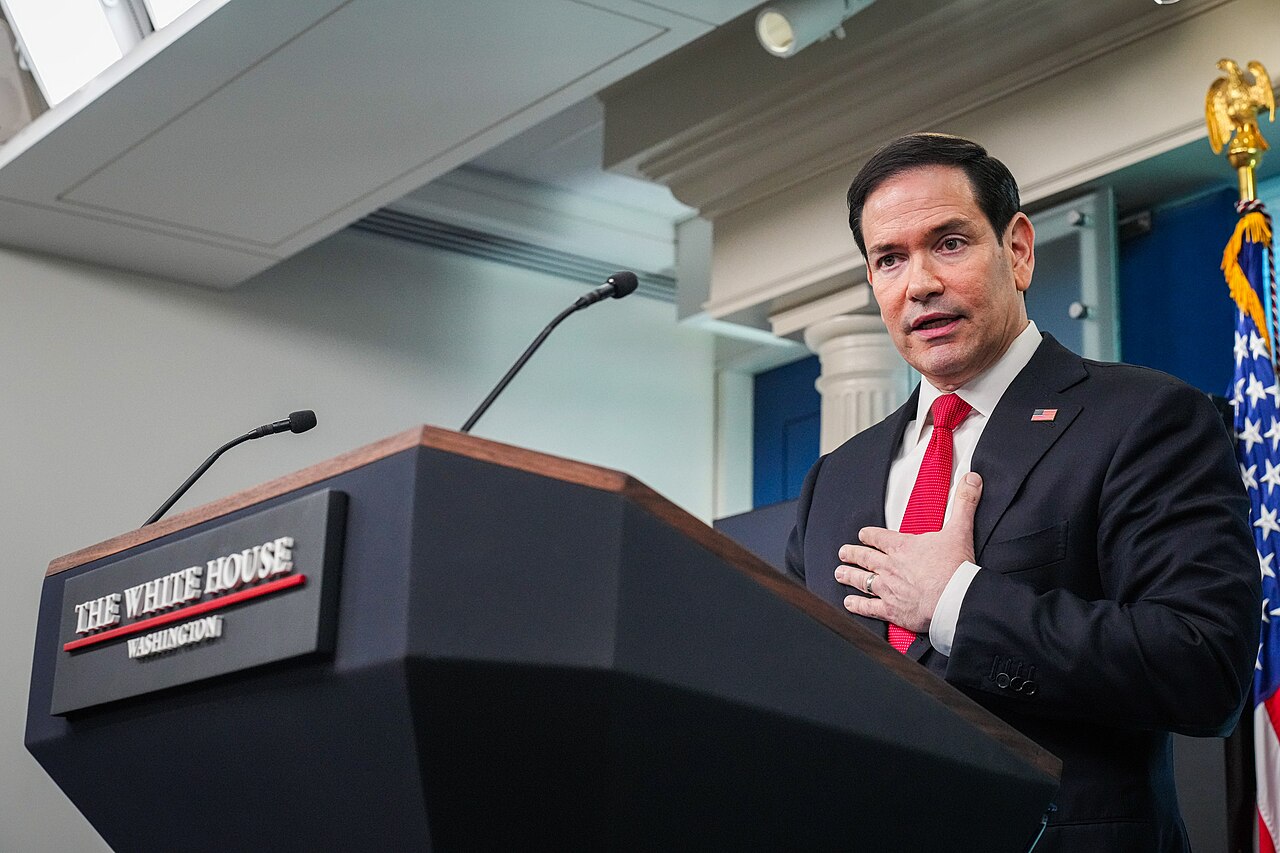
U.S. Secretary of State Marco Rubio announced on Thursday that the United States has officially designated Tanzanian police official Faustine Jackson Mafwele over alleged human rights violations. The move is part of Washington’s ongoing efforts to hold foreign officials accountable for abuses linked to violence, intimidation, and violations of civil liberties.
According to Rubio’s statement, the designation bars Mafwele from entering the United States. The U.S. government did not release extensive details regarding the allegations, but officials said the action reflects America’s commitment to promoting accountability and protecting human rights worldwide.
The sanctions against the Tanzanian police official come amid increasing international scrutiny over human rights concerns in several African nations. Human rights organizations have repeatedly called for stronger action against officials accused of abuses involving political repression, unlawful detention, and violence against civilians.
Rubio emphasized that the United States remains committed to supporting democratic values, transparency, and the rule of law. He noted that individuals involved in serious human rights violations should face consequences regardless of their position or influence.
The decision to impose travel restrictions on Faustine Jackson Mafwele highlights Washington’s broader foreign policy strategy aimed at discouraging abuse of power and promoting justice through targeted sanctions. Such measures are commonly used by the U.S. government to pressure foreign officials without directly impacting the broader population of a country.
Tanzania has faced criticism in recent years from international observers and rights groups over concerns related to political freedoms and law enforcement conduct. However, Tanzanian authorities have previously defended their security operations, arguing they are necessary to maintain peace and public order.
The U.S. designation is expected to draw international attention and could increase diplomatic pressure regarding human rights practices in Tanzania. Observers say the move also signals that the United States is prepared to take action against officials accused of violating internationally recognized human rights standards.







