


 Federal Judge Blocks Trump Administration Move to End TPS for Haitian Immigrants
  Nvidia, ByteDance, and the U.S.-China AI Chip Standoff Over H200 Exports
  RFK Jr. Overhauls Federal Autism Panel, Sparking Medical Community Backlash
  Pentagon Ends Military Education Programs With Harvard University
  Minnesota Judge Rejects Bid to Halt Trump Immigration Enforcement in Minneapolis
  Ghislaine Maxwell to Invoke Fifth Amendment at House Oversight Committee Deposition
  New York Legalizes Medical Aid in Dying for Terminally Ill Patients
  Federal Judge Restores Funding for Gateway Rail Tunnel Project
  Trump Signs “America First Arms Transfer Strategy” to Prioritize U.S. Weapons Sales
  Bosnian Serb Presidential Rerun Confirms Victory for Dodik Ally Amid Allegations of Irregularities
  Ohio Man Indicted for Alleged Threat Against Vice President JD Vance, Faces Additional Federal Charges
  Paul Atkins Emphasizes Global Regulatory Cooperation at Fintech Conference
  Trump Signs Executive Order Threatening 25% Tariffs on Countries Trading With Iran
  US Pushes Ukraine-Russia Peace Talks Before Summer Amid Escalating Attacks
  Hims & Hers Halts Compounded Semaglutide Pill After FDA Warning
  Trump Lifts 25% Tariff on Indian Goods in Strategic U.S.–India Trade and Energy Deal
  Panama Supreme Court Voids Hong Kong Firm’s Panama Canal Port Contracts Over Constitutional Violations


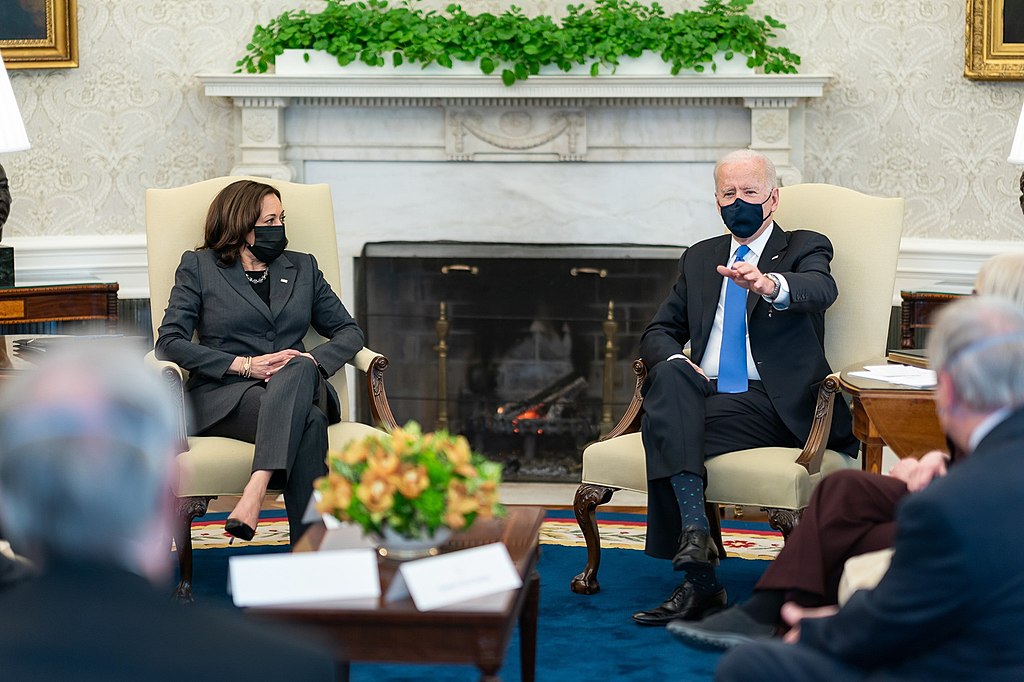
A bipartisan group of U.S. lawmakers has urged the Biden administration to consider restricting biotechnology exports to China’s military, citing concerns over potential weaponization to create toxic pathogens. In a letter to Commerce Secretary Gina Raimondo, lawmakers, led by Republican China Select Committee Chairman John Moolenaar and Democrat Raja Krishnamoorthi, called for licensing restrictions on U.S. pharmaceutical companies collaborating with Chinese military-owned medical entities.
The letter, reported by Reuters, highlights the national security risks of U.S.-China biotech competition, emphasizing the potential threat to healthcare advancements and American medical data security. Chinese Embassy spokesperson Liu Pengyu dismissed the claims as "malicious speculation," reiterating Beijing’s opposition to biological weapons.
Concerns about China’s biotechnology activities have grown among U.S. officials. In August, lawmakers, including Democrat Anna Eshoo, urged the FDA to increase scrutiny of U.S. clinical trials in China, citing risks of intellectual property theft and forced participation of Uyghurs in Xinjiang. U.S. pharmaceutical companies have reportedly collaborated with Chinese military-run hospitals on hundreds of clinical trials in the past decade.
In a January response, FDA Acting Associate Commissioner Laura Paulos assured lawmakers of strict protections for trial participants, stating that legally effective, informed consent is required. On intellectual property theft concerns, she deferred the matter to other federal agencies.
Commerce Secretary Raimondo’s upcoming departure could limit immediate action on new controls. However, the letter underscores growing bipartisan concern over China’s role in biotechnology and its implications for global security.
This development reflects broader efforts to address the strategic challenges posed by China across various industries, including biotechnology and healthcare.













