


 FEMA Reinstates Employees After Dissent Letter, Signaling Shift in Workforce Stability
  Australia Launches Public Hearings on Bondi Beach Shooting and Rising Antisemitism
  U.S. Fast-Tracks $8.6 Billion Arms Sales to Middle East Allies Amid Rising Tensions
  Judge Rules Use of Military Lawyers in Civilian Prosecutions Is Lawful
  Rubio Approves $25.8 Billion Weapons Sale to Middle East Allies
  European Stocks Fall as US-Iran Conflict Rekindles Energy Supply Fears
  Wall Street Hits Record High as AI Chip Stocks and Strong U.S. Jobs Data Boost Markets
  Russian LNG Shadow Fleet Expands Amid Arctic LNG 2 Sanctions
  New York Moves to Ban Masked Law Enforcement During Immigration Operations
  US House Advances $70 Billion Immigration Enforcement Budget Plan
  Japan Tech Stocks Surge as AI Optimism Lifts SoftBank, Chipmakers
  White House Withdraws Trump’s National Park Service Nominee Amid Criticism
  Ghana Rejects U.S. Health Deal Over Data Sharing Concerns Amid Foreign Aid Shift
  Trump-Xi Meeting 2026: U.S.-China Trade Tensions Escalate Ahead of Beijing Summit
  Dollar Weakens as Iran Peace Hopes Boost Risk Appetite and Yen Gains Strength


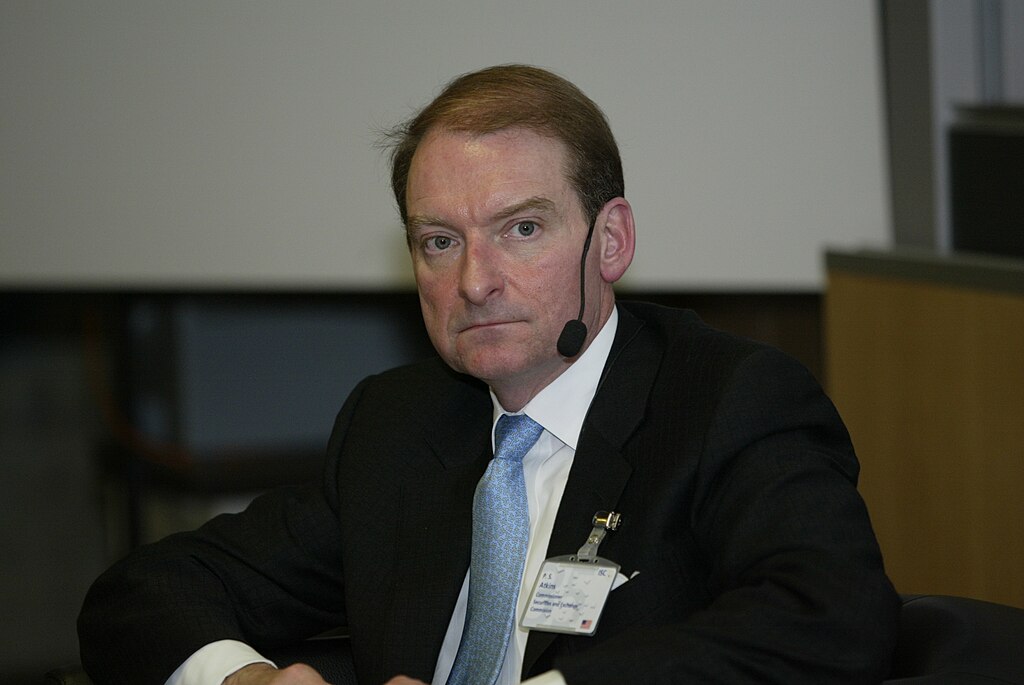
Paul Atkins, Chairman of the U.S. Securities and Exchange Commission (SEC), highlighted the growing importance of international regulatory cooperation during a fintech and regulation conference held in Brussels on Tuesday. Speaking to an audience of policymakers, regulators, and industry leaders, Atkins stressed that close collaboration with foreign market regulators is essential as global financial markets become increasingly interconnected.
During the discussion, Atkins noted that effective oversight of modern financial systems can no longer be handled in isolation. He emphasized that regulators must work together across borders to address shared challenges such as fintech innovation, digital assets, cross-border capital flows, and evolving market risks. According to Atkins, cooperation with international counterparts helps ensure regulatory consistency, market stability, and investor protection worldwide.
Responding to a question about the future role of the International Organization of Securities Commissions (IOSCO) and other global standard-setting bodies, Atkins underscored their continued relevance. He stated that organizations like IOSCO provide critical platforms for dialogue, coordination, and the development of shared regulatory principles. These bodies, he said, allow regulators to exchange information, align supervisory approaches, and respond more effectively to emerging risks in global markets.
Atkins also pointed out that fintech developments are accelerating the need for international cooperation. Technologies such as blockchain, digital payments, and algorithmic trading operate across jurisdictions, making regulatory coordination vital. Without strong collaboration, regulatory gaps could emerge, potentially increasing systemic risk and undermining investor confidence.
The SEC chairman reaffirmed that the United States remains committed to engaging with global regulators and participating actively in international standard-setting efforts. He suggested that constructive cooperation benefits not only regulators but also market participants, as it promotes clearer rules and a more predictable regulatory environment.
Atkins’ remarks come at a time when global financial regulation is under pressure to adapt to rapid technological change and shifting economic conditions. His comments signal that the SEC sees international engagement as a cornerstone of effective financial oversight, reinforcing the importance of global cooperation in shaping the future of securities regulation.







