


 US Warns of More Strikes on Iran as Trump Pushes for Peace Deal
  Trump Signals Possible U.S.-Iran Peace Deal as Hormuz Reopening Nears
  IMF Advances Ukraine Loan Program, Clears $690M Disbursement
  Trump Nominates Jay Clayton as DNI Amid FISA Surveillance Dispute
  South Korea Ballot Shortage Sparks Protests, Election Fraud Claims, and Calls for Rerun
  DOJ Sues Virginia Over Law Enforcement Mask Ban
  North Korea Slams U.S. Missile Sale to South Korea, Warns of Rising Regional Tensions
  US Appeals Court Keeps Trump’s 10% Global Tariff in Effect During Ongoing Legal Battle
  Keiko Fujimori Narrowly Leads Peru Presidential Election as Overseas Votes Shift Race
  Kremlin Says New EU Sanctions Won’t Hurt Russian Banks
  FBI Faces Historic Security Challenge Ahead of 2026 FIFA World Cup
  France Hosts Israeli-Palestinian Civil Society Appeal to Revive Two-State Solution Ahead of G7 Summit
  KMT Chair Cheng Li-wun Defends Taiwan-China Engagement During U.S. Visit
  Trump Signals Opposition to USMCA Renewal as U.S. Reviews Trade Relations with Canada and Mexico
  G7 Summit 2026 to Focus on Middle East Conflicts, Ukraine War, and Global Economic Challenges


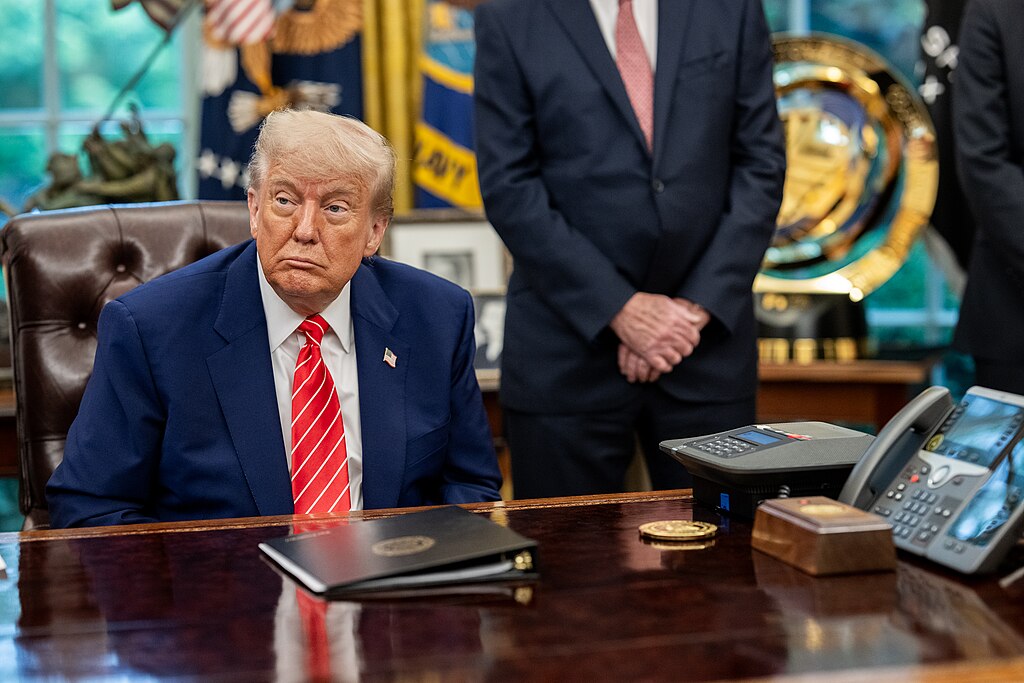
The United States has indicated that it is close to reaching a new peace agreement that could end the three-month conflict with Iran, although the details of the proposed deal have not yet been disclosed. As discussions continue, analysts are comparing any potential agreement with the landmark 2015 Iran nuclear deal, formally known as the Joint Comprehensive Plan of Action (JCPOA).
The JCPOA was signed by Iran, the United States, Russia, China, France, the United Kingdom, and Germany. The agreement aimed to limit Iran’s nuclear activities in exchange for sanctions relief, extending the estimated time needed for Iran to produce a nuclear weapon from a few months to approximately one year. Iran has consistently denied pursuing a nuclear weapons program.
Under the 2015 agreement, the United States, European Union, and United Nations lifted a wide range of sanctions affecting Iran’s oil, gas, petrochemical, banking, shipping, and automotive sectors. Additional restrictions on trade involving gold, minerals, commercial aircraft, carpets, and food products were also eased.
A key provision of the Iran nuclear deal required Tehran to limit uranium enrichment to 3.67% purity for 15 years, well below the 90% level typically associated with nuclear weapons. Iran also agreed to reduce its enriched uranium stockpile to 300 kilograms and cut the number of operating centrifuges from about 19,000 to 6,100. Excess nuclear material was either diluted or exported, resulting in a significant reduction of Iran’s uranium reserves.
The agreement further required the underground Fordow enrichment facility to be repurposed as a research center. Meanwhile, Iran’s heavy-water reactor at Arak was redesigned to prevent the production of weapons-grade plutonium.
To ensure compliance, the International Atomic Energy Agency (IAEA) received extensive monitoring and inspection authority over Iran’s nuclear facilities.
The deal began unraveling after fU.S. President Donald Trump withdrew the United States from the JCPOA in 2018 and reinstated sanctions. Iran subsequently exceeded several limits outlined in the agreement beginning in 2019. With United Nations sanctions reimposed in 2025, the original nuclear accord is now widely considered defunct, making any new U.S.-Iran agreement a potentially significant development in Middle East diplomacy.







