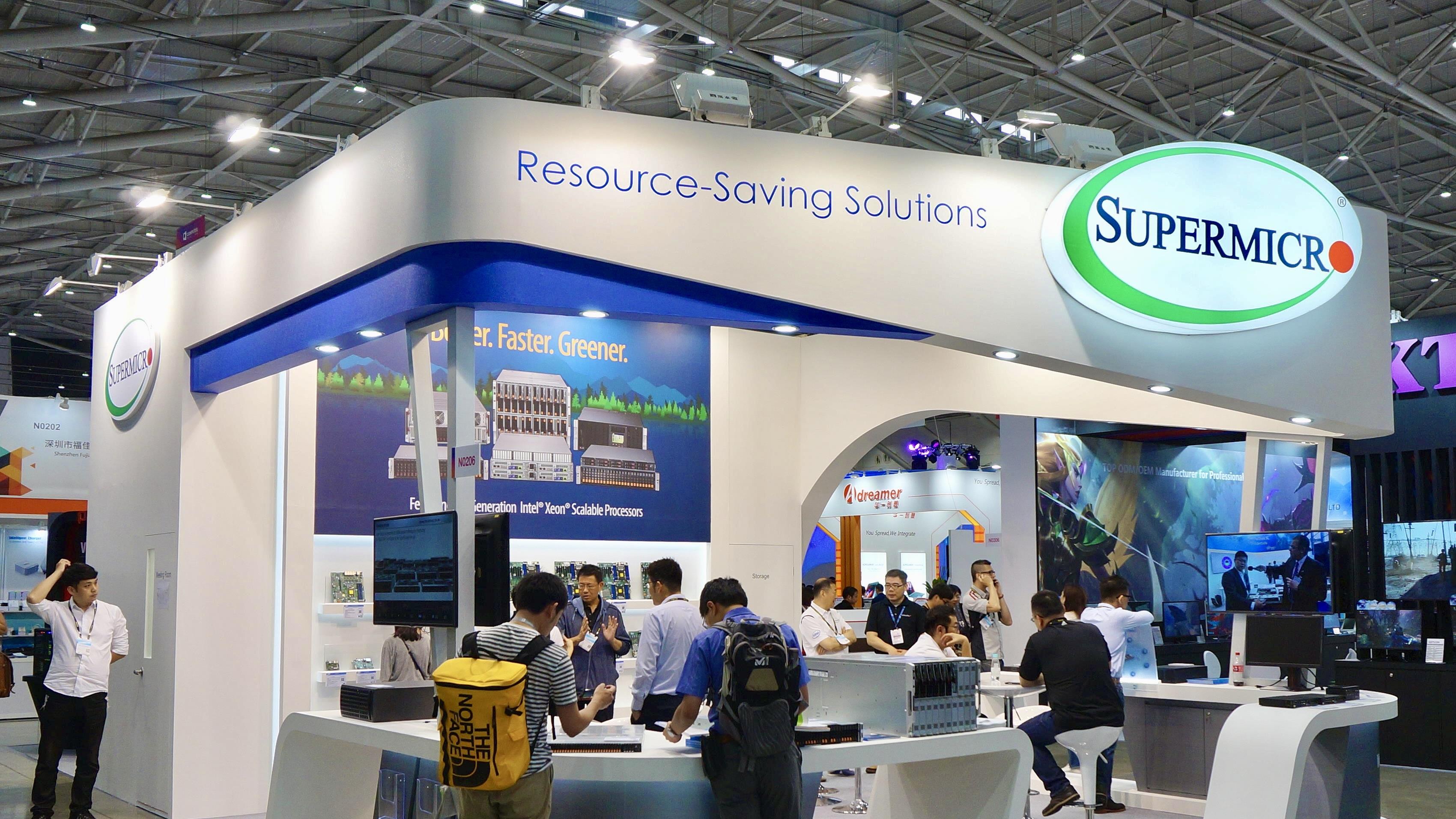
Procurement records reveal that four Chinese universities, two of which have direct ties to the People's Liberation Army, acquired Super Micro Computer servers loaded with restricted Nvidia AI chips over the past year. The findings raise fresh concerns as Washington intensifies efforts to prevent advanced U.S. technology from reaching China's military apparatus.
The United States began restricting exports of high-performance chips like the Nvidia A100 to China in 2022, citing fears that such technology could strengthen Chinese military capabilities. Despite these controls, procurement documents show that PLA-linked institutions, including Beihang University and the Harbin Institute of Technology — both part of China's elite "Seven Sons of National Defense" group — successfully obtained Super Micro systems equipped with multiple A100 chips. Both universities are already listed on a U.S. export blacklist, making licensed sales legally difficult.
The controversy deepened last week when three individuals connected to Super Micro, including a co-founder, were federally charged with allegedly facilitating the smuggling of over $2.5 billion in U.S. AI technology to China. Super Micro maintains it was a victim in the scheme, while Nvidia stated it actively cooperates with both customers and the U.S. government on export compliance.
In response, two U.S. senators called on Commerce Secretary Howard Lutnick to consider halting all export licenses for advanced Nvidia chips and server systems destined for China or Southeast Asian intermediaries.
Beyond the confirmed purchases, Reuters identified two additional Chinese universities — one also tied to the military — that attempted similar acquisitions, though whether those deals were completed remains unknown.
Analysts warn that access to these chips could advance China's weapons development, military logistics, autonomous systems, and surveillance programs, making enforcement of export controls an increasingly urgent national security priority.