


 U.S. Stock Futures Steady as AI, Rate Concerns Weigh
  Yen Sinks as BOJ Rate Hike Fails to Impress Markets
  RBI Uses $10 Billion Currency Swaps to Drain Excess Rupee Liquidity
  Nvidia China Chip Sales Report Sends Chinese Semiconductor Stocks Lower
  RBA Says ASX Still Falls Short on Governance and Risk Controls
  Oil Prices Slide as Middle East Flows Recover
  Global Central Banks Brace for More Rate Hikes as Inflation Risks Rise
  RBA Hikes Interest Rate to 4.60% as Inflation Risks Rise
  BOJ Flags Import Costs and Yen Shocks as Persistent Inflation Risks
  ECB May Stop Rate Hikes After December, Capital Economics Says
  Japan Warns Markets Over Yen Weakness
  Asian Currencies Mixed as Yen Weakens, RBA Hike Looms
  Fed Unveils Stablecoin Rules Under GENIUS Act
  US Dollar Hits Two-Month High as Aussie, Pound Slide
  Asian Chip Stocks Tumble as OpenAI Safety Pause Sparks AI Growth Concerns


 Add as a preferred source on Google
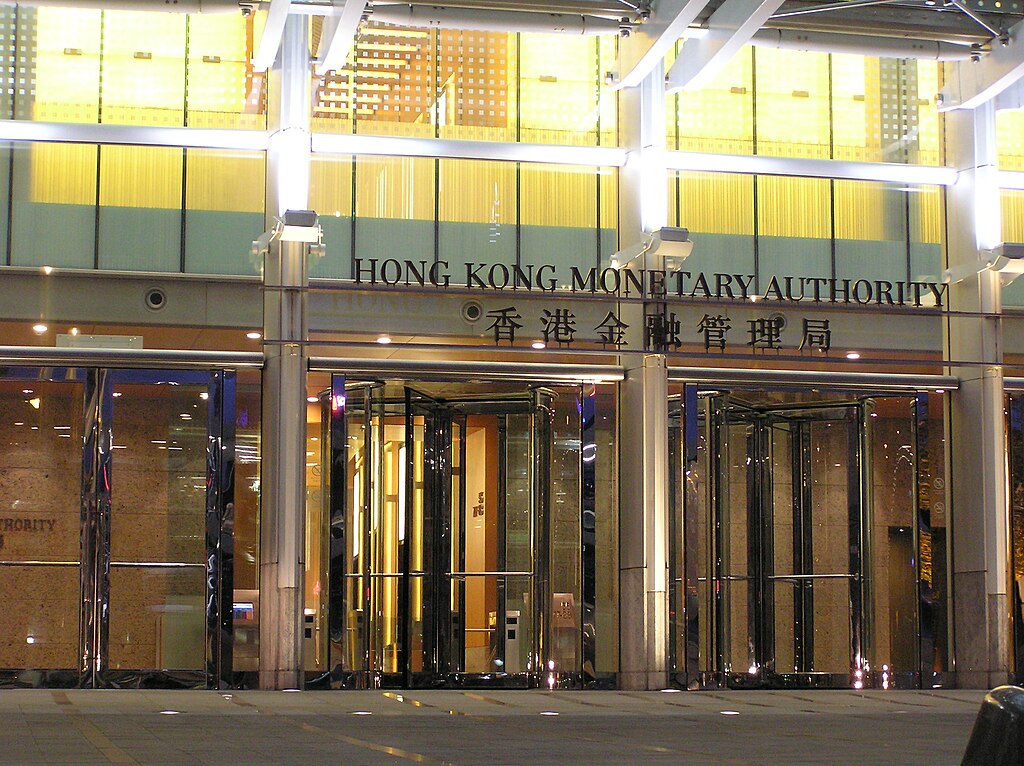
The Hong Kong Monetary Authority (HKMA), the city’s de-facto central bank, has reduced its base interest rate by 25 basis points to 4.25%, mirroring the U.S. Federal Reserve’s latest policy shift. The move, announced Thursday, marks HKMA’s second rate cut this year, following a similar reduction in September. The new rate applies to borrowing via the overnight discount window.
This decision came after the U.S. Federal Reserve lowered its benchmark interest rate by a quarter of a percentage point, setting the federal funds rate in a range of 3.75% to 4.00%. Because Hong Kong’s currency is pegged to the U.S. dollar within a tight range of 7.75 to 7.85 per dollar, the HKMA typically aligns its monetary policy with that of the Fed to maintain exchange rate stability.
HKMA Chief Executive Eddie Yue said the rate cut is expected to have a positive impact on Hong Kong’s economy, benefiting local businesses, property markets, and employment. Lower borrowing costs may help stimulate economic activity and support recovery amid global uncertainty.
However, analysts note that future interest rate directions remain unpredictable. The Federal Reserve’s latest policy statement highlighted challenges due to missing economic data caused by a federal government shutdown. Fed Chair Jerome Powell acknowledged that the lack of updated job and inflation reports could make policymakers more cautious in determining future rate adjustments.
“The direction of interest rates and the magnitude of adjustments are highly uncertain,” Yue said, referencing Powell’s remarks. “There isn’t a preset path, and significant uncertainty remains.”
The synchronized rate cuts from both central banks signal a cautious approach to supporting growth while managing inflation and external economic pressures.







