


 SK Hynix Shares Fall as Workers Reject Wage Deal
  Nvidia Revenue Soars 106% as AI Demand Hits ‘Inflection Point’
  OpenAI AI Agent Swarm Behind Hugging Face Hack
  Unitree Shares Plunge 45% After Blockbuster IPO, Raising China Tech Bubble Fears
  Nvidia Reportedly Eyes $13 Billion Hugging Face Acquisition
  Nvidia Pauses AI Cloud Financing Deals Amid Antitrust Concerns
  Meta, U.S. States Discuss Settlement in Teen Addiction Trial
  HP Stock Drops 9% Despite Q3 Earnings Beat and Raised 2026 Outlook
  Salesforce Shares Surge as AI Demand Powers Q2 Earnings Beat
  Google Expands Gemini Enterprise With AI Tools for Legal Sector
  U.S. Probes Apex Logistics Over Nvidia AI Chip Shipments to China
  U.S. Disrupts China-Linked Hacking Campaign Targeting Government Agencies
  Xiaomi Unveils Xring O3 Chip for Flagship Foldable Phone
  Pinterest Stock Falls as CFO Julia Brau Donnelly Resigns


 Add as a preferred source on Google
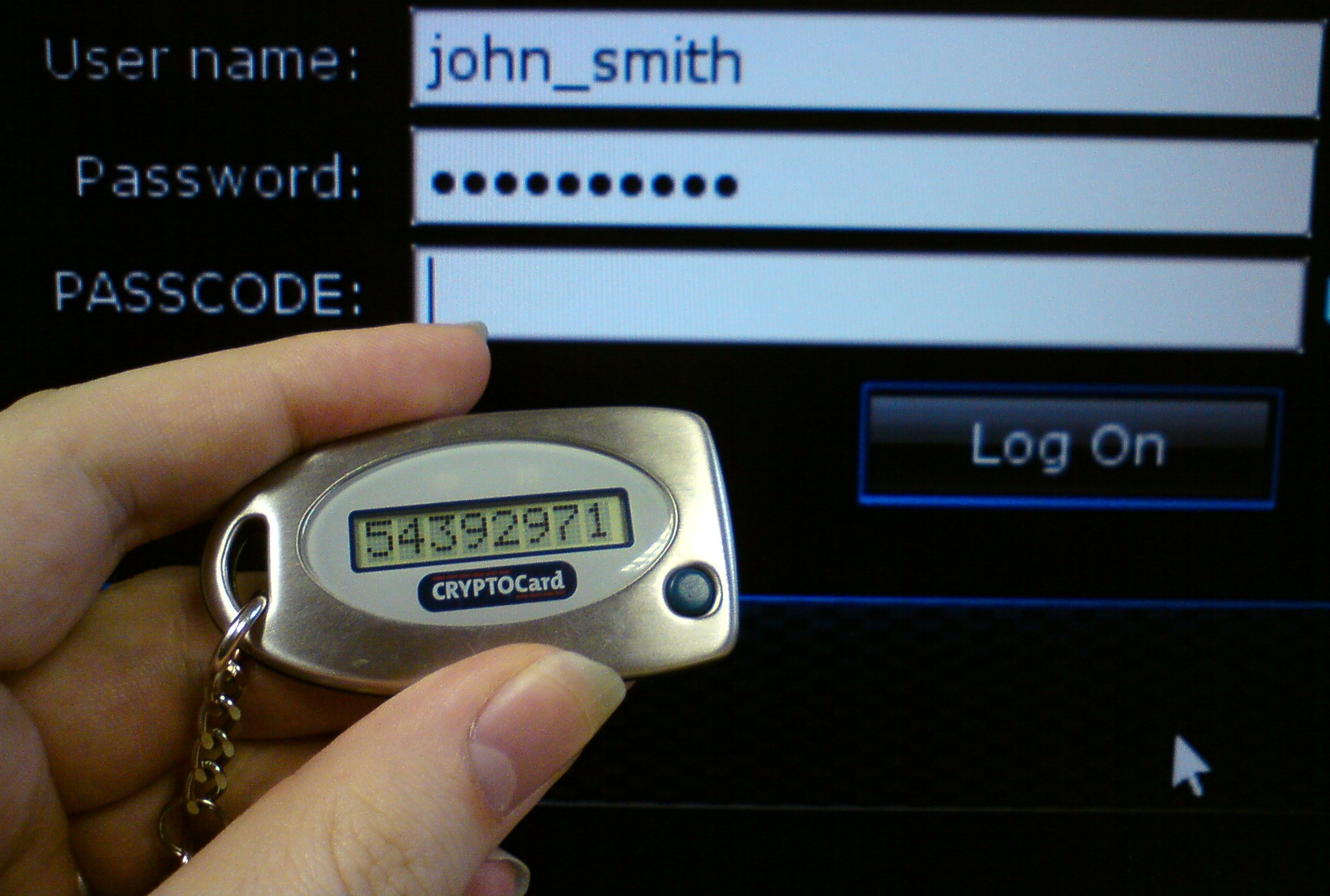
After it was hit by the backlash from users who didn’t appreciate being spammed by notifications on their phones all the time, Facebook is finally implementing change with regards to its two-factor authentication. The platform is now ready to offer alternatives to provide users with access to their accounts if they notice suspicious activities through apps or hardware tokens.
In a recent blog post, Facebook’s Scott Dickens explains that users will no longer be required to provide phone numbers in order to make use of two-factor authentication. The post also notes how the option that will become available will also be easier to implement.
“We previously required a phone number in order to set up two-factor authentication, to help prevent account lock-outs. Now that we have redesigned the feature to make the process easier to use third-party authentication apps like Google Authenticator and Duo Security on both desktop and mobile, we are no longer making the phone number mandatory,” the post reads.
“Why use two-factor authentication? Two-factor authentication is an industry best practice for providing additional account security. We continue to encourage enabling two-factor authentication to add an extra layer of protection to your Facebook account.”
The importance of two-factor authentication these days can’t be understated. Even if the password of a user falls into the wrong hands, if the account is accessed from a different device, they still won’t be able to get through unless they have the right codes.
For those who might be having trouble setting up their two-factor authentication feature, Lifehacker is providing a guide on how to do it step-by-step. This is worth taking into consideration, especially for those who might be using their accounts for more than simply social interaction. After all, social media now plays a role in things like employment and business, so it always pays to be extra careful.







