


 US Adds European Union to Section 301 Watchlist Amid Trade Concerns
  US Sanctions Target Iran’s Shadow Banking Network and Terror Financing
  Russia Accuses Ukraine of Ceasefire Violations Amid Drone and Artillery Attacks
  Judge Rules DOGE Humanities Grant Cuts Unconstitutional
  FEMA Reinstates Employees After Dissent Letter, Signaling Shift in Workforce Stability
  Dominican Republic Halts GoldQuest Mining Project Amid Environmental Protests
  Israel Expands Gaza Restricted Zones, Raising Concerns for Civilians and Aid Access
  U.S. Flags Vietnam as “Priority Foreign Country” Over Intellectual Property Concerns
  Israeli Strikes in Gaza Kill Three as Ceasefire Tensions Continue
  Trump Administration Dismisses Entire National Science Board, Raising Concerns Over Scientific Independence
  Australia’s Wealthy Donors Shift Support to One Nation Amid Conservative Party Decline
  US House Advances $70 Billion Immigration Enforcement Budget Plan
  Mexico President Claudia Sheinbaum Reconsiders Early School Closure Plan Ahead of 2026 World Cup
  Vietnam Plans AI-Driven Propaganda Push With Influencers and Podcasts
  Judge Delays SEC Settlement With Elon Musk Over Twitter Stock Disclosure Case
  U.S., South Korea Launch Shipbuilding Partnership Initiative
  Israel’s Secret Iraq Base Allegedly Supported Iran Air Campaign, WSJ Reports


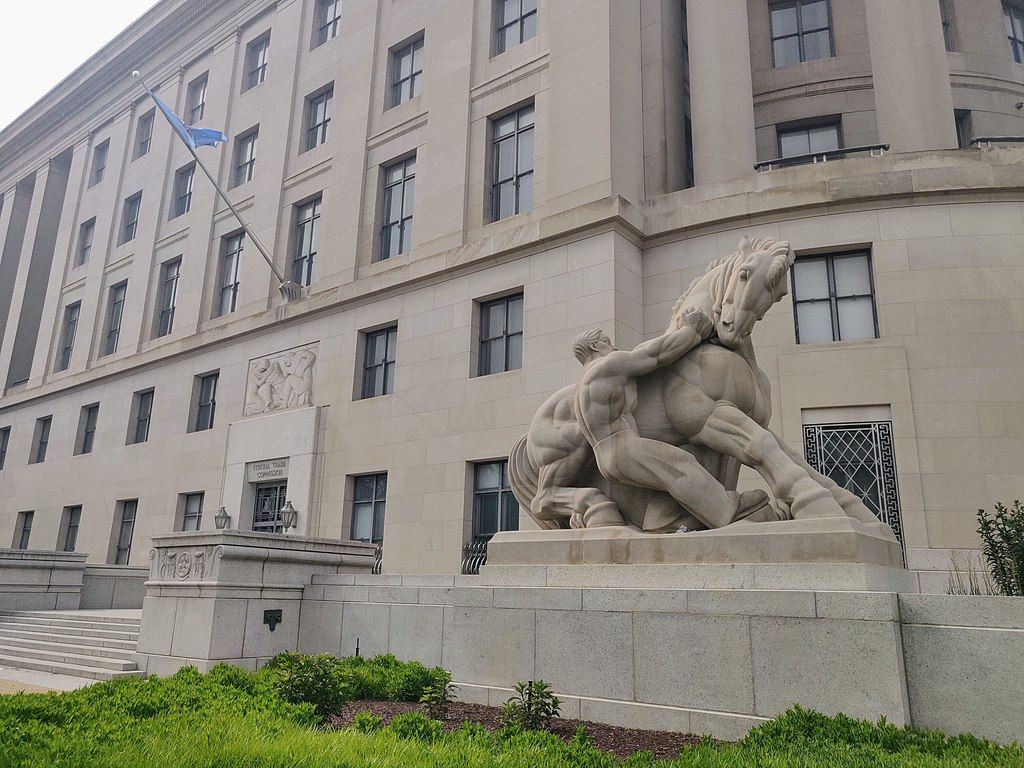
The U.S. Federal Trade Commission (FTC) announced it will suspend key consumer protection services and merger reviews during the ongoing government shutdown. The agency, responsible for enforcing antitrust and consumer protection laws, said it will not process fraud complaints, block unwanted spam calls, or maintain its national Do Not Call Registry while operations remain limited.
This shutdown, which has forced hundreds of thousands of federal employees into furlough, mirrors earlier shutdown strategies under both the Trump and Biden administrations. However, under President Joe Biden, the FTC went further by completely stopping early merger clearance approvals, while under the current plan, businesses may still file transactions but will face delays due to reduced resources.
The FTC employs approximately 1,180 full-time staff, but only about 400 are expected to continue working without pay under exceptional circumstances, such as meeting urgent court deadlines. This reduction in workforce is likely to slow antitrust investigations and extend review times for mergers and acquisitions. Legal experts warn that this could disrupt Wall Street dealmaking, as businesses rely on timely clearance to proceed with transactions.
Aleksandr Livshits, an antitrust partner at Fried Frank, highlighted the uncertainty this shutdown brings for corporate mergers, noting that “it’s more helpful to have a fully functioning government, there’s more predictability.”
While the FTC’s core mission of protecting consumers and ensuring fair competition remains critical, the shutdown restricts its ability to deliver essential services. This lack of operational capacity means consumers have fewer protections against fraud and deceptive practices, while businesses face uncertainty in regulatory approvals.
The shutdown underscores the broader economic risks of government gridlock, not only for consumers but also for corporations navigating antitrust law and compliance. Until funding is restored, both individuals and businesses must brace for significant disruptions in FTC oversight and consumer protection mechanisms.







