


 Samsung Appoints New TV Business Head Amid Rising Competition from Chinese Rivals
  Maersk Q1 Earnings Beat Expectations as Iran Conflict Clouds Shipping Outlook
  Broadcom Eyes $35 Billion AI Chip Financing Deal With Apollo and Blackstone
  Continental AG Shares Jump After Q1 Profit Beats Expectations
  Coinbase Q1 2026 Earnings Miss Sends COIN Stock Lower Amid Crypto Market Slump
  Brazil Pension Fund Crackdown After Banco Master Collapse Raises Investment Concerns
  Australia Launches Public Hearings on Bondi Beach Shooting and Rising Antisemitism
  CDC Monitors U.S. Travelers After Hantavirus Outbreak on Luxury Cruise Ship
  U.S. Sanctions Former DR Congo President Joseph Kabila Over Rebel Support
  Trump Invites Top CEOs Including Nvidia, Apple, Boeing to China Summit With Xi Jinping
  U.S. Budget Airlines Seek $2.5 Billion Government Aid Amid Rising Jet Fuel Costs
  Infineon Raises 2026 Outlook as AI Data Center Chip Demand Surges
  Apple Q2 2026 Earnings Surge as iPhone 17 Sales Drive Record Revenue
  Google Secures Pentagon AI Deal for Classified Projects
  US Adds European Union to Section 301 Watchlist Amid Trade Concerns
  Trump Expands Cuba Sanctions Targeting Key Sectors and Foreign Entities
  Anthropic Secures $1.5B AI Venture Backed by Wall Street Giants, Shaking Software Sector


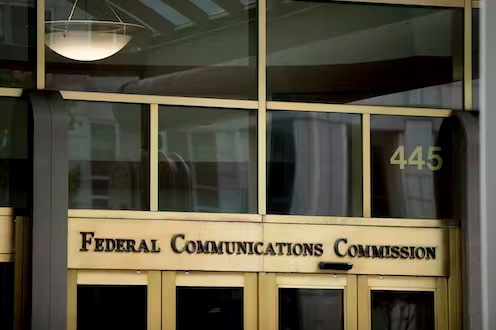
The Federal Communications Commission (FCC) has finalized new rules prohibiting Chinese laboratories considered national security risks from testing electronic devices—including smartphones, cameras, and computers—for the U.S. market. The decision, passed unanimously in a 4-0 vote, targets labs suspected of ties to the Chinese Communist Party, state-owned enterprises, or the Chinese military.
The FCC emphasized that all electronics imported into the U.S. must pass its equipment authorization process, with approximately 75% currently tested in China-based labs. FCC Chair Brendan Carr warned that compromised labs could allow insecure technologies into the U.S. telecom infrastructure, posing significant risks.
The new rules prevent any lab under the control of firms listed on the FCC’s “Covered List”—which includes Huawei, ZTE, Hikvision, Dahua, and Hytera—from certifying devices for U.S. use. The FCC will revoke recognition of any lab found to be linked to such entities. This follows a 2022 FCC ban on approvals for equipment from these firms.
In a further step, the FCC is soliciting public feedback on whether to broaden the testing ban to all labs in China and other nations classified as foreign adversaries. It also advanced a proposal that would require organizations with substantial ties to such countries to disclose all FCC-issued licenses and authorizations.
China’s Embassy in Washington condemned the move, accusing the U.S. of politicizing trade and technology under the guise of national security.
The FCC also disclosed ongoing investigations into nine Chinese firms, including Huawei, China Mobile, and China Telecom, to assess whether they are circumventing existing U.S. restrictions.
This regulatory shift reflects heightened scrutiny of Chinese tech companies and a broader push to safeguard U.S. telecommunications networks from potential foreign threats.







