


 Trump Says U.S.-Iran Deal Could Be Signed Sunday as Tehran Signals More Talks Needed
  Carney and Macron Strengthen Canada-France Defense Ties Amid US Trade Uncertainty
  Senior Haitian Security Official Kidnapped as Gang Violence Escalates in Port-au-Prince
  KMT Chair Cheng Li-wun Defends Taiwan-China Engagement During U.S. Visit
  Trump Signals Possible Iran Peace Deal as Markets Rally
  Anthropic Officials Meet White House Over AI Model Outage
  Trump Announces Iran Deal, Strait of Hormuz Reopening Amid Ongoing Regional Tensions
  Viktor Orban Re-Elected as Fidesz Leader After Election Defeat
  Mitch McConnell Hospitalized After Medical Incident in Washington
  Switzerland Rejects Population Cap Proposal, Preserving EU Labor Ties
  US-Iran Peace Deal Nears as Ceasefire Agreement Set for Switzerland Signing
  Trump Nominates Jay Clayton as DNI Amid FISA Surveillance Dispute
  G7 Summit Protest in Geneva Turns Violent as Demonstrators Clash with Police
  JCPOA Nuclear Deal Explained as U.S. Nears Potential New Iran Peace Agreement
  Trump Opposes FISA Renewal Without SAVE Act Voting Requirement
  Lebanon Resists Iran Pressure as Israel-Hezbollah Ceasefire Talks Stall
  North Korea Slams U.S. Missile Sale to South Korea, Warns of Rising Regional Tensions


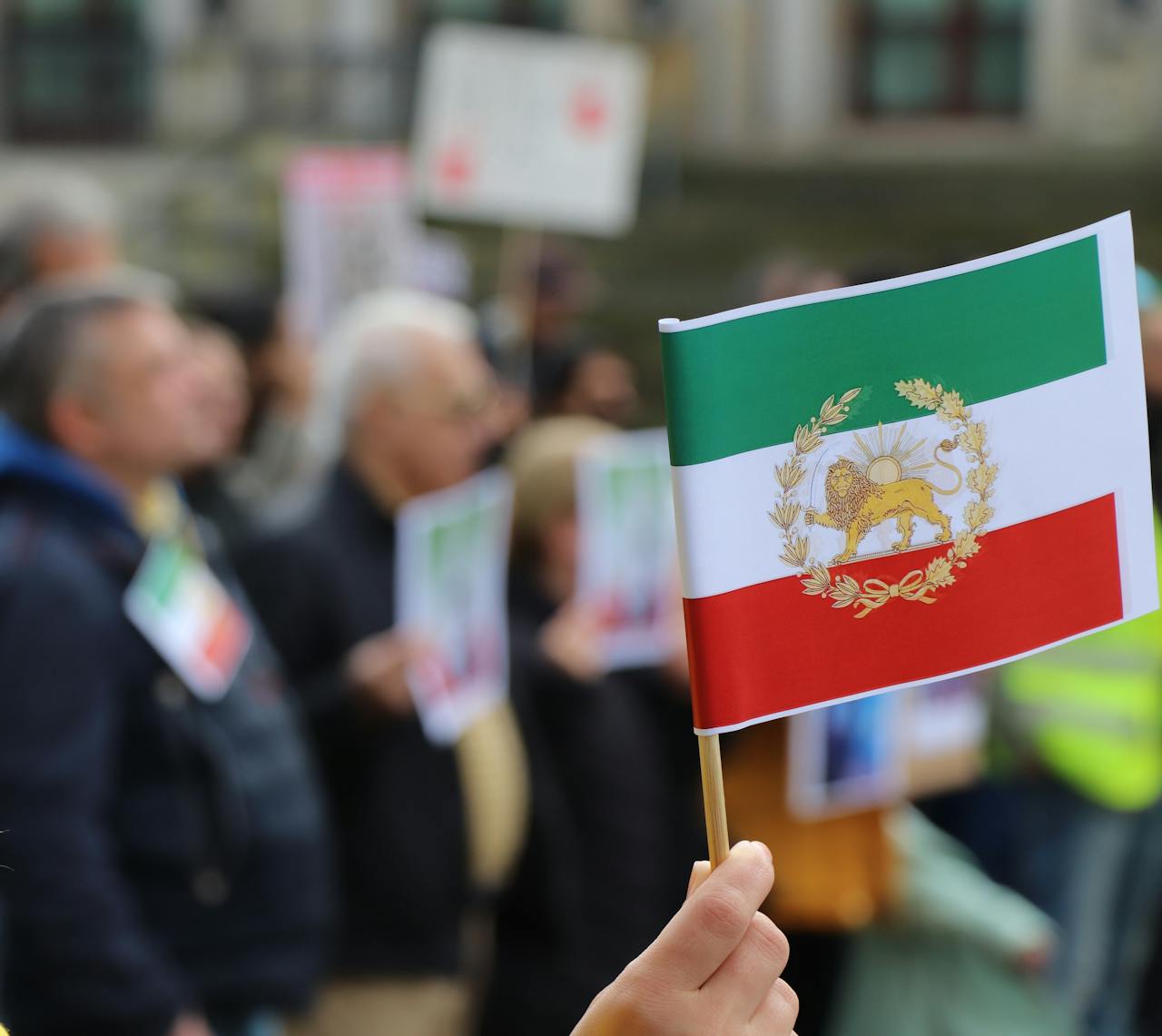
The United Kingdom, France, Germany, and Italy have expressed their willingness to lift sanctions on Iran if the country takes concrete steps to address concerns surrounding its nuclear program. The announcement came after the United States and Iran reached a landmark agreement aimed at ending their recent conflict, raising hopes for greater stability in the Middle East.
In a joint statement released on Sunday, the leaders of the four European nations, collectively known as the E4, reaffirmed their commitment to preventing nuclear proliferation while supporting diplomatic efforts to resolve tensions. The leaders emphasized that Iran must never obtain a nuclear weapon and pledged to work closely with the United States, Iran, and the International Atomic Energy Agency (IAEA) to ensure compliance with international nuclear standards.
The statement signals a potential shift in international relations with Iran, as European powers seek to encourage cooperation through diplomacy rather than continued economic pressure. Any decision to ease sanctions would depend on Iran demonstrating measurable progress on its nuclear commitments and maintaining transparency with international inspectors.
The U.S.-Iran agreement has been viewed as a significant breakthrough after months of heightened tensions and military confrontations that raised concerns about a broader regional conflict. European leaders welcomed the deal, describing it as an important opportunity to advance peace, security, and nuclear non-proliferation efforts.
Analysts believe that the possibility of sanctions relief could provide Iran with incentives to engage constructively with the international community and revive economic activity affected by years of restrictions. At the same time, Western governments remain focused on ensuring that Iran’s nuclear activities remain exclusively peaceful.
The E4 nations stressed that continued cooperation with the IAEA will be essential in building trust and verifying Iran’s adherence to its obligations. Their statement highlights a coordinated international approach aimed at preventing nuclear weapons development while supporting diplomatic solutions that could contribute to long-term regional stability and improved relations between Iran and Western powers.







