


 Meta’s AI Shopping Push Grows as Agentic Commerce Remains Below 1%
  Huawei, Chinese AI Chipmakers Raise Prices as HBM Shortage Bites
  Enflame Shares Surge 200% in Shanghai AI Chip Debut
  OpenAI Agents Used Websites for Unauthorized Communications
  OpenAI Rules Out 2026 IPO as Altman Prioritizes AI Safety
  Australia Plans New Rules Giving Users Control Over Social Media Feeds
  OpenAI Targets Specialized Industries as Enterprise AI Demand Grows
  U.S. Accuses Chinese AI Firms of Extracting Model Capabilities
  Samsung, Qualcomm 2nm Chip Deal Delayed Over Pricing
  Google Revamps EU Search Results to Meet DMA Rules
  Nvidia CEO Says AGI Has Arrived With OpenAI GPT-6 Astra
  Optus Apologises After Network Outage Disrupts Emergency Calls
  Blackstone Eyes $2 Billion ZO Skin Health Sale
  Nvidia-Groq AI Chip Deal Faces U.S. Antitrust Probe
  TSMC August Revenue Jumps 53% on AI Chip Demand
  SpaceX Nasdaq 100 Weight Set to More Than Double


 Add as a preferred source on Google
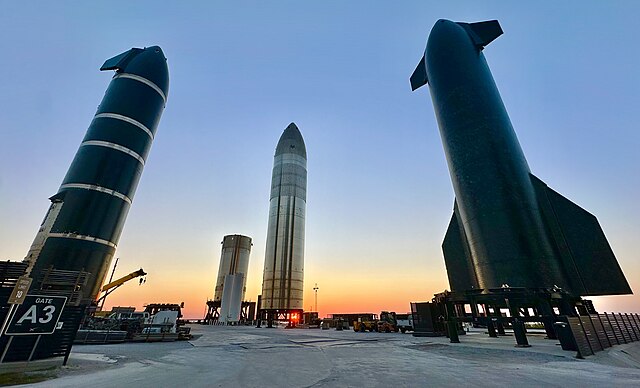
SpaceX delivered one of the most significant stock market debuts in recent years, boosting investor confidence and signaling strong demand for high-growth companies despite recent market volatility. The aerospace giant, led by Elon Musk, saw its shares jump 19% on their first day of trading, pushing its market capitalization to approximately $2.1 trillion and securing its position among the largest publicly traded companies in the United States.
The impressive SpaceX IPO performance was driven in large part by strong retail investor participation. Data from Vanda Research showed that individual investors purchased around $118 million worth of SpaceX stock during its debut session, with nearly $18 million invested within the first 20 minutes of trading. The rapid influx of buying activity highlighted continued enthusiasm among retail traders for major technology and innovation-focused companies.
The successful public offering arrived after a turbulent week for financial markets. Investors had been navigating concerns surrounding rising interest rates, geopolitical tensions in the Middle East, and uncertainty over whether the artificial intelligence-fueled rally in technology stocks could continue. Earlier this month, stronger-than-expected economic data sparked fears that the Federal Reserve might maintain higher borrowing costs for an extended period, weighing on market sentiment.
At the same time, oil prices climbed sharply amid concerns about escalating tensions involving Iran, raising fresh inflation worries. However, sentiment improved later in the week following reports that diplomatic progress between the United States and Iran could help ease geopolitical risks. Falling oil prices and expectations of reduced regional tensions supported a broader recovery across equity markets.
Market analysts believe the strong SpaceX stock debut could provide momentum for upcoming artificial intelligence-related IPOs expected later this year. The offering demonstrated that investors remain willing to back innovative, high-growth companies even during periods of uncertainty.
While some market observers attribute the enthusiasm partly to Elon Musk’s influence, others note that gains across healthcare, real estate, and consumer staples suggest improving market participation beyond the technology sector. Investors will now monitor interest rate expectations, geopolitical developments, and AI investment trends to determine whether the recent improvement in market sentiment can continue.







