


 Toyota, Honda Shares Rise on Possible U.S.-Canada Auto Tariff Cut
  SK Hynix Shares Surge on Record $28.6 Billion Buyback
  Nvidia AI Server Prices Set to Rise as Memory Costs Surge
  Apple Cuts Over 200 Siri, Vision Pro Jobs in AI Shift
  KPMG Australia Cuts 5% of Workforce Amid Scandal
  Hyundai Motor Union Launches First Full Strike in Decade Over Wages, AI Job Risks
  REPAY Stock Rises After Visa Platform Connect Collaboration
  Unifor Reaches Tentative GM Deal for 4,600 Ontario Workers
  Alibaba Shares Fall as AI Spending Hits Profit
  SoftBank Plans Record $6.3 Billion Bond Sale to Fund OpenAI Investments
  Nvidia’s $500 Billion AI Infrastructure Push Wins Morgan Stanley Support
  Moody’s Upgrades Vodafone Hybrid Debt Ratings to Baa3
  Goldman Sachs Names 9 Top Japanese Semiconductor and Electronics Stocks
  Anthropic IPO Could Challenge SpaceX’s Record $86 Billion Offering
  CK Hutchison Seeks $1.5 Billion From Panama Over Canal Ports
  California Seeks Paramount Divestitures in Warner Bros. Merger


 Add as a preferred source on Google
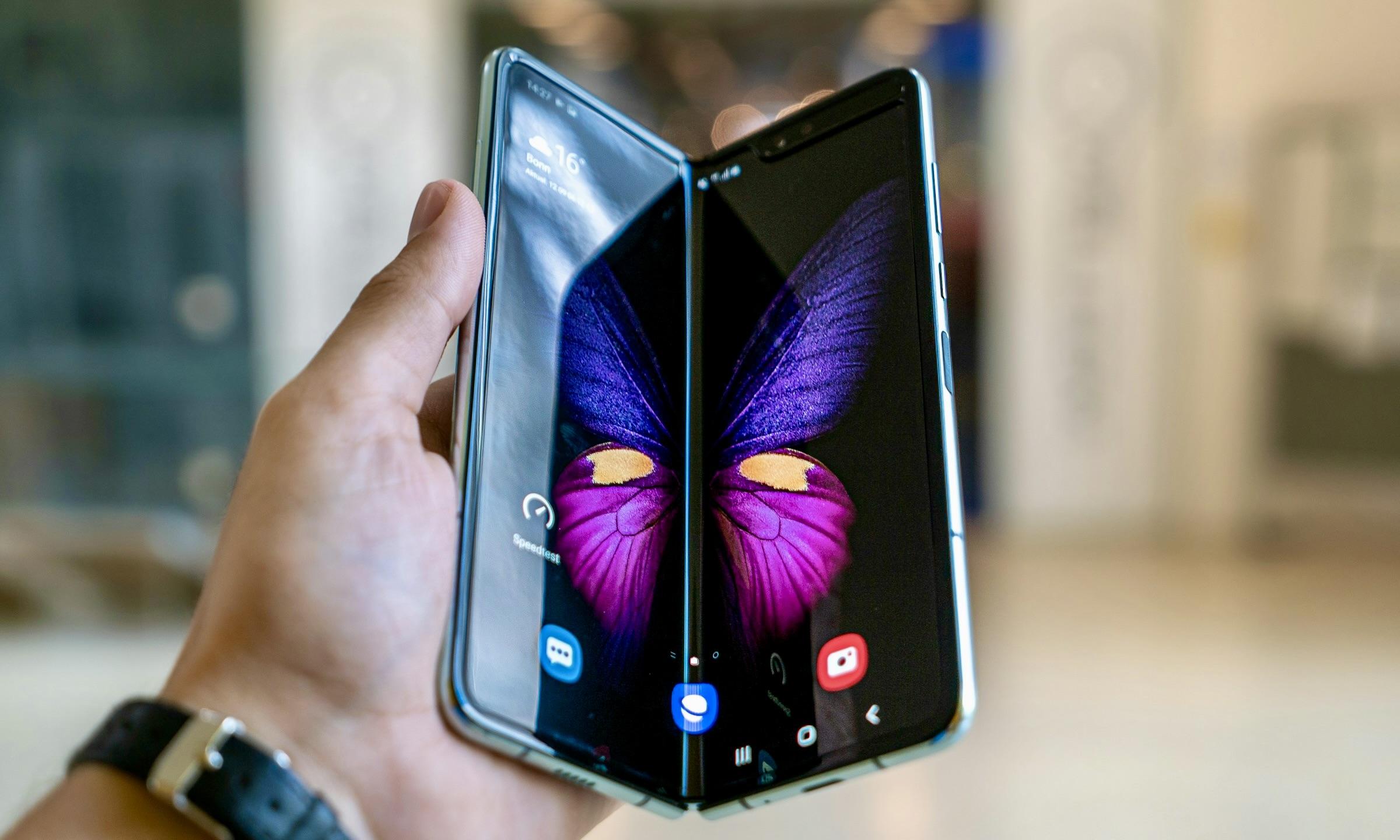
Samsung Electronics shares plunged as much as 8% in early Monday trading after the South Korean technology giant’s record shareholder-return plan fell short of investor expectations, particularly over share buybacks and the distribution of AI-driven cash flows.
Samsung announced Friday that shareholder returns for this year would total between 90 trillion won and 110 trillion won ($65 billion to $80 billion). The plan includes 30 trillion won in cash dividends scheduled for the third quarter.
Although the proposed payout is roughly five times Samsung’s previous record set in 2020, analysts said investors had anticipated a larger capital return and clearer details about potential share repurchases.
Under its existing 2024-2026 shareholder return policy, Samsung Electronics remains committed to distributing 50% of accumulated free cash flow over the three-year period to shareholders.
The announcement drew comparisons with rival SK Hynix, which last week unveiled plans to repurchase and cancel 40 trillion won worth of treasury shares. SK Hynix also intends to return more than 50% of free cash flow generated between 2025 and 2027 to shareholders.
SK Hynix shares gained 0.4% in early trading, while the broader KOSPI index declined about 1.5%.
Eugene Securities analyst Sohn In-joon said Samsung’s announcement was disappointing because the company did not indicate that it could increase its current shareholder return ratio. Samsung also failed to announce treasury-share cancellations, which could have provided more direct support for its stock price.
Morgan Stanley described Samsung’s capital-return package as substantial but “slightly below expectations.”
Investor attention will now shift to Samsung’s expected January decision on how it will allocate the remaining 60 trillion won to 80 trillion won under the plan. Markets will also closely watch the company’s next shareholder-return framework, which is scheduled to take effect next year.
Samsung’s sharp share-price decline highlights elevated investor expectations as booming artificial intelligence demand strengthens earnings and cash generation across the global semiconductor industry.







