


 US Condemns China Sanctions on Taiwan Allies Belize and Paraguay
  US Supreme Court Denies Release of Anti-ICE Activist Kyle Wagner
  Trump Announces Massive Oil and Mineral Exploration Plans in Greenland
  US Justice Department Drops Prosecution of Ex-CIA Analyst Sue Mi Terry
  Zelenskiy Says Ukraine Received No Warning Before Russian Missile Attack
  Gaza Olive Harvest Collapses as War Destroys Farmland
  Kim Jong Un Showcases ICBM Ahead of Possible Trump Meeting
  Zelenskiy Seeks New US Talks to Revive Ukraine-Russia Peace Negotiations
  Container Ship Sinks in Strait of Hormuz as Iran Attacks Escalate
  China Resumes US Soybean Purchases After Trump-Xi Summit
  Trump Denies Russia and China Are Helping Iran in U.S. Conflict
  Taiwan President Urges Micron, Workers to Negotiate Amid Strike Threat
  Netanyahu Rejects Preemptive Iran Strike Ahead of Israel Election
  China Warns Taiwan Over South China Sea Coast Guard Incident
  SpaceX Starlink Restrictions Disrupt Ukraine Military Operations
  Trump Warns Houthis Over Attacks, Considers Erdogan Intervention
  UN Urges Talks on Lebanon Peacekeeping Mission Extension


 Add as a preferred source on Google
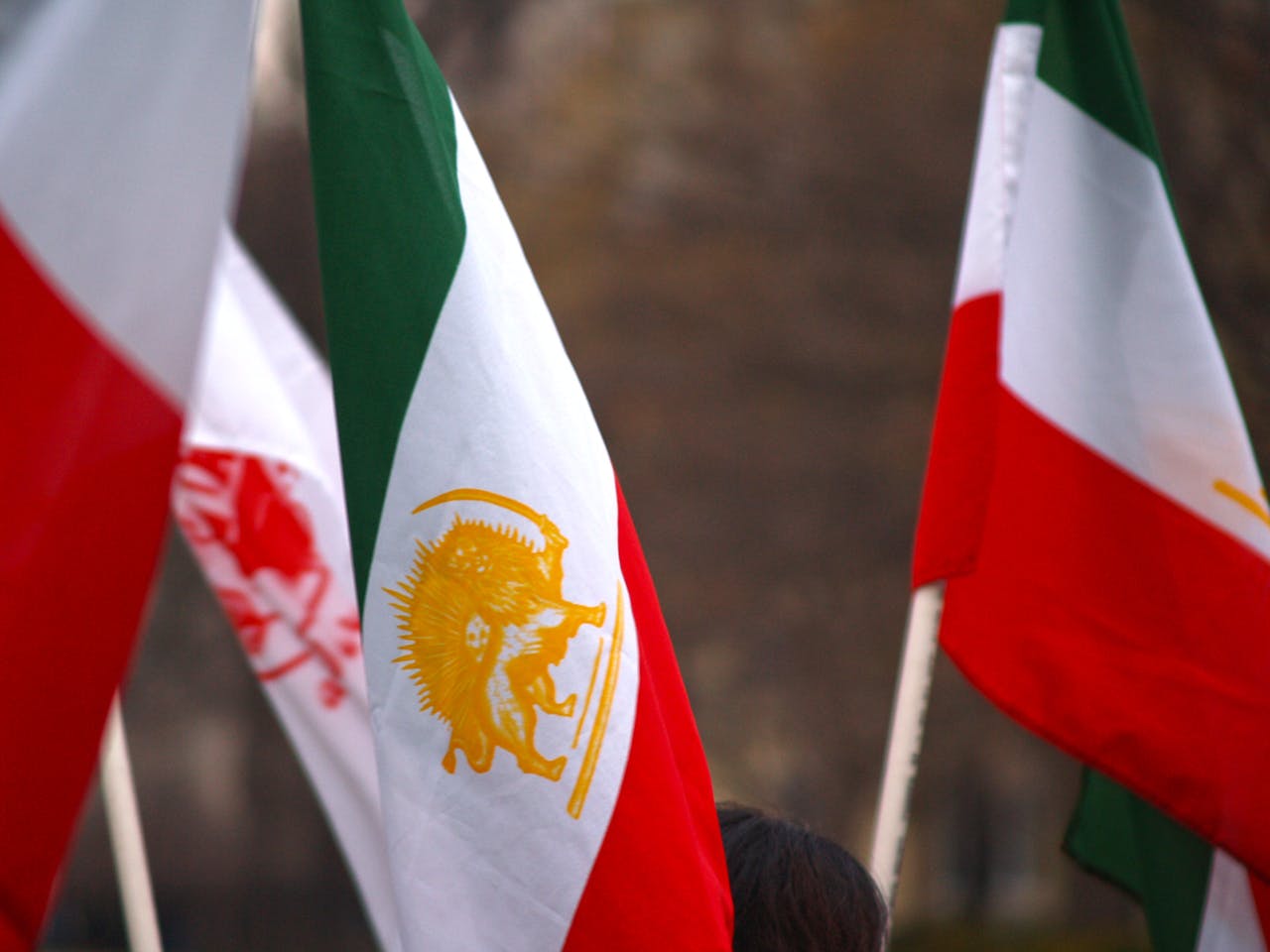
Iran condemned a fresh U.S. economic pressure campaign on Friday, calling the measures “state terrorism” as Tehran faces soaring inflation, mounting financial strain and continued tensions over the Strait of Hormuz six months into the war.
The administration of U.S. President Donald Trump has intensified efforts to isolate Iran economically through what Washington has described as an “economic D-Day.” The pressure comes as Iran’s annual inflation reached 66% last month, raising concerns among authorities that worsening living conditions could fuel domestic unrest.
Iran’s Foreign Ministry described the U.S. measures as a “crime against humanity,” arguing that other countries should reject Washington’s sanctions and warning that cooperation could threaten the livelihoods and health of Iranian civilians.
Supreme Leader Ayatollah Mojtaba Khamenei, who has not appeared publicly since being injured in the February 28 attack that killed his father, also called for greater domestic unity. In a written statement, he ordered officials to avoid actions or remarks that could damage “social cohesion” and urged the government to tackle inflation, unemployment, rising prices and market instability.
Washington is also preparing additional financial restrictions. A U.S. official said the Trump administration plans to limit the ability of Banque Misr’s United Arab Emirates branches to conduct transactions through U.S. financial institutions because of dealings with Tehran. The Treasury Department separately announced sanctions targeting a Hong Kong-based entity and an individual connected to Iran’s Bank Melli.
Diplomatic efforts meanwhile remain focused on reopening the Strait of Hormuz, which handled about 20% of global oil supplies before the conflict. Qatari Prime Minister Sheikh Mohammed bin Abdulrahman Al Thani visited Tehran on Thursday and urged Iranian officials to restore pre-war shipping conditions.
Iranian Foreign Minister Abbas Araqchi described the Qatar talks as “creative” and called on Washington to return to negotiations, arguing that economic and military pressure would not succeed.
Shipping through Hormuz remains severely reduced despite U.S. claims that the waterway is open. Preliminary data showed only seven commodity vessels crossed the strait on Thursday, compared with a 10-day average of 15. Oil prices nevertheless declined Friday as markets saw indications that energy flows were improving and Gulf producers were adapting to disrupted shipping conditions.







