


 Pentagon Eyes U.S. Troop Cuts in Europe Amid NATO Review
  Prince Harry and Meghan Return to Britain With Children After Six Years in U.S.
  Israel Weighs Expelling UK Officials From Gaza Coordination Center
  Asian Stocks Mixed as KOSPI Falls Ahead of Fed Speech
  Trump Escalates Canada Trade War With 50% Tariffs
  European Allies Seek to Reassure Pentagon as US Reviews Troop Presence
  German Industry Pushes Merz for Tougher China Trade Policy
  Gold Prices Fall as Stronger Dollar, Fed Rate Outlook Weigh
  Oil Prices Slip on Venezuela Supply, Iran Tensions
  Asian Chip Stocks Mixed After Nvidia Earnings Beat
  Gold Prices Slip Ahead of Fed Chair Warsh Speech
  US Stocks Finish Flat as Inflation Data, Nvidia Earnings Keep Investors Cautious
  Norway’s King Harald Dies at 89, Haakon VIII Takes Throne
  US Military Uses Laser to Shoot Down Cartel Drones at Mexico Border
  Wall Street Slips as Warsh’s Hawkish Fed Speech Rattles Markets
  Pentagon Eyes 100-Year Lease on Venezuela Oil Fields
  UN Criticizes US Terror Label for Palestine Action


 Add as a preferred source on Google
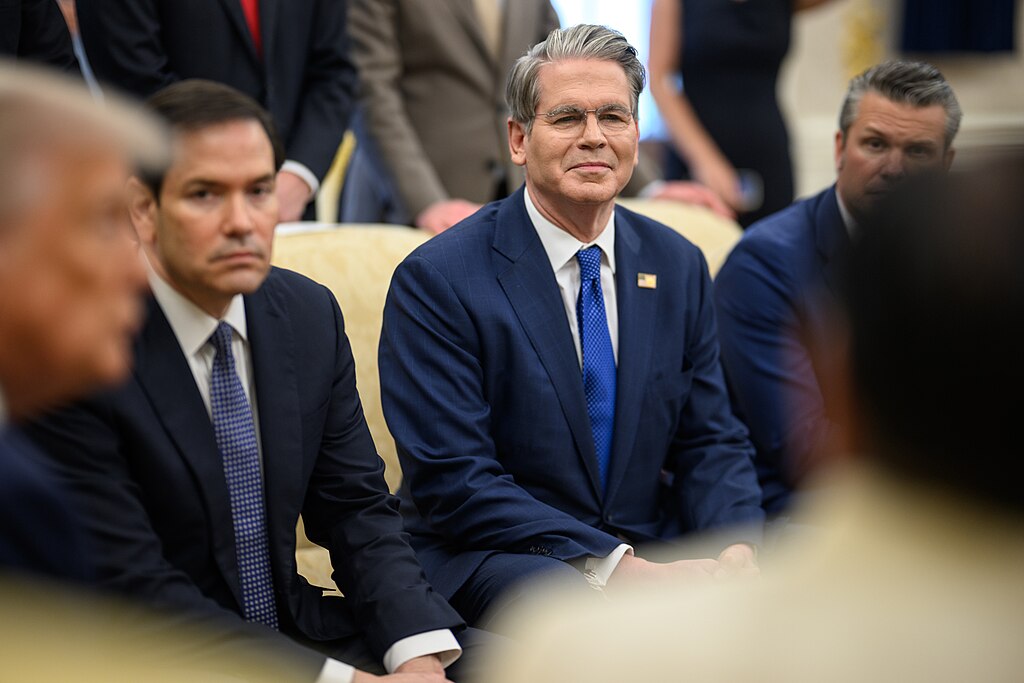
U.S. Treasury Secretary Scott Bessent has defended Washington’s decision to support the Japanese yen in late July, arguing that severe currency volatility could threaten global financial stability and ultimately push U.S. borrowing costs higher.
In an Aug. 27 letter responding to Democratic Senator Elizabeth Warren, Bessent highlighted Japan’s importance as the largest foreign holder of U.S. government securities. He said disorderly moves in the yen could force investors to unwind positions rapidly, creating broader market disruption.
“Disorderly yen markets can trigger forced unwinds, which could destabilize global markets and ultimately raise borrowing costs for American families and businesses,” Bessent wrote.
The Treasury secretary posted the letter on X on Friday. He did not disclose the size of the U.S. yen intervention, saying the operation relied on existing foreign-currency assets held by the Treasury’s Exchange Stabilization Fund (ESF). Earlier in August, Bessent indicated that euros had been used in the transaction.
Japan, meanwhile, reported Friday that it spent a record $96.4 billion over the past month to bolster the yen. The coordinated action represented the first U.S. intervention to purchase the Japanese currency since 1998.
Warren, the ranking Democrat on the Senate Banking Committee, had asked Bessent to explain the legal and economic justification for deploying ESF resources. Bessent maintained that the Treasury acted within its statutory authority, which allows the secretary, with presidential approval, to conduct foreign-exchange transactions in support of orderly currency arrangements.
He also rejected concerns that the operation amounted to financial assistance or a loan to Japan.
“No credit was extended to Japan,” Bessent said, adding that Japan owes the U.S. Treasury nothing and therefore carries no repayment risk related to the intervention.
Despite the historic currency operation, the yen has surrendered part of its initial gains. On Friday, the Japanese currency weakened beyond 160 yen per U.S. dollar for the first time since late July, underscoring continued pressure in the foreign-exchange market.
The renewed yen weakness keeps USD/JPY, U.S. Treasury yields and Japan’s currency policy in focus as investors assess whether further intervention may be required.







