


 Asian Stocks Mixed as KOSPI Falls Ahead of Fed Speech
  Gold Prices Slip Ahead of Fed Chair Warsh Speech
  Pentagon Eyes 100-Year Lease on Venezuela Oil Fields
  Asian Currencies Steady Ahead of Warsh Speech
  Dollar Steady Ahead of Jackson Hole as Yen Holds Firm
  Sweden Retail Sales Slip 0.2% in July
  France Inflation Accelerates to 2.7% in August
  Fed Chair Warsh Faces Key Jackson Hole Test
  BOJ’s Himino Signals Timely Rate Hikes as Inflation Risks Rise
  Oil Prices Slip as Venezuela Supply Prospects Weigh on Market
  US Dollar Hits Two-Week High After Hawkish Fed Speech
  Asian Chip Stocks Mixed After Nvidia Earnings Beat
  Bessent Defends US Yen Intervention Over Treasury Market Risks
  Iran Weighs Conditions to Reopen Strait of Hormuz
  US Stock Futures Flat as Nvidia Rally Fades, Fed Speech in Focus
  Canadian Dollar Slides as Fed Rate Hike Bets Boost US Dollar


 Add as a preferred source on Google
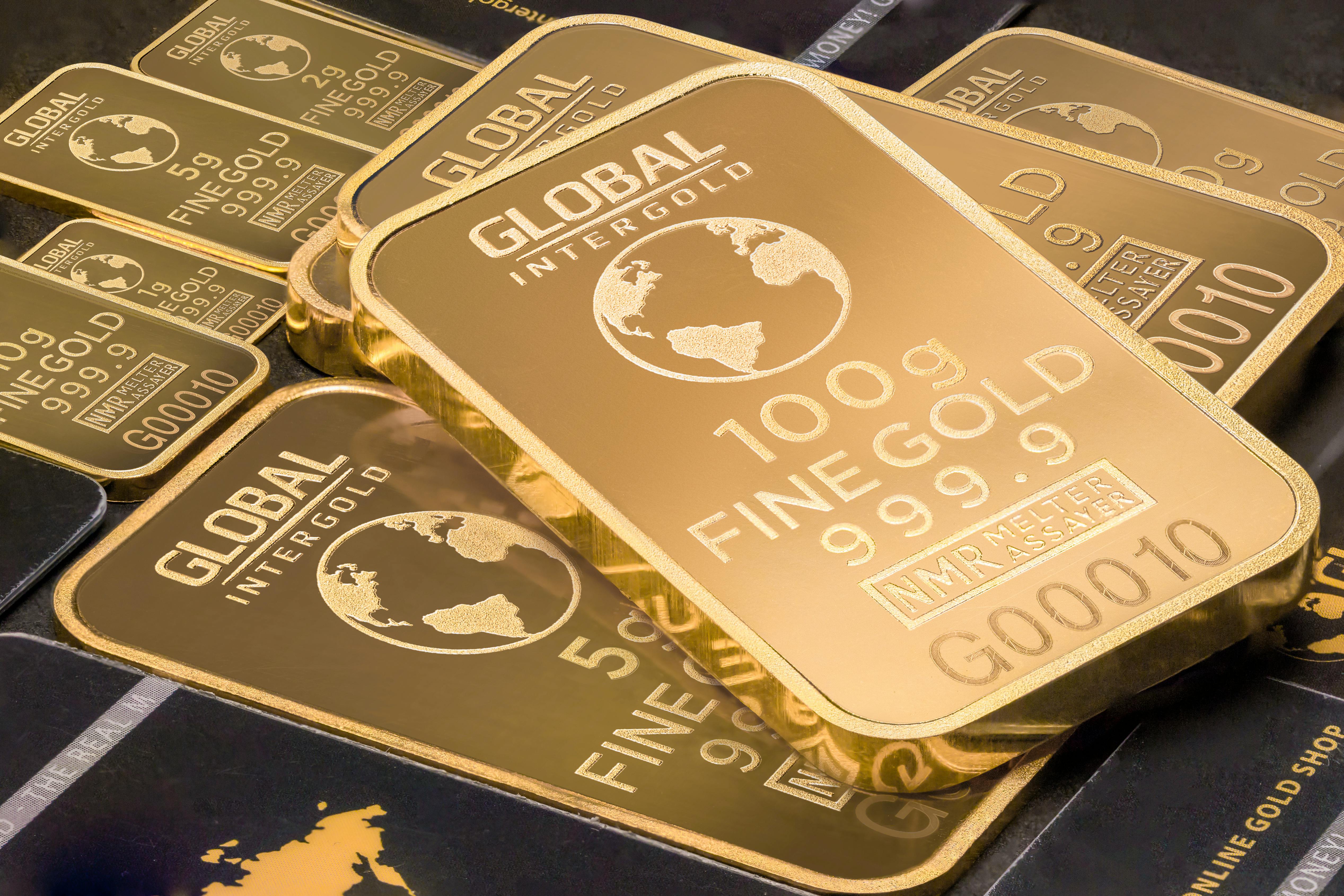
Gold prices fell sharply on Friday as the U.S. dollar strengthened following Federal Reserve Chair Kevin Warsh’s hawkish Jackson Hole speech, prompting traders to increase bets on a September interest rate hike.
Spot gold dropped 3.2% to $4,456.20 per ounce at 16:00 ET (20:00 GMT), while U.S. gold futures declined 3.4% to $4,506.66 per ounce. Bullion was also headed for a weekly decline, with spot prices down 3.2% and futures losing 3.8%.
Pressure on gold intensified as the dollar gained nearly 1% for the week. The precious metal had surged during the previous week as concerns over U.S. government debt and a sharp Treasury bond sell-off encouraged investors to seek hard assets through the so-called debasement trade.
During his first keynote address at the Jackson Hole Economic Policy Symposium, Warsh emphasized that U.S. inflation remains a significant concern. He said underlying inflation trends had not “meaningfully improved” and stressed the Federal Reserve’s commitment to restoring price stability.
Warsh also described the U.S. labor market as consistent with full employment while highlighting greater concern about inflation. His remarks came as policymakers grapple with persistent price pressures, elevated oil prices and weaker-than-expected employment data.
Markets interpreted the speech as hawkish. According to the CME FedWatch tool, traders raised the probability of a 25-basis-point Federal Reserve rate hike in September to more than 57%, compared with roughly 35% a day earlier.
U.S. Treasury yields climbed following the speech. The benchmark 10-year Treasury yield rose 5.3 basis points to 4.725%, while the policy-sensitive 2-year yield jumped 12 basis points to 4.352%.
Interactive Brokers senior economist José Torres described Warsh’s remarks as triggering a “hawkish reprice” across the yield curve, although the Fed chair stopped short of committing to the timing of the next policy move.
Higher interest rates, rising Treasury yields and a stronger dollar typically weigh on gold because bullion offers no interest income. However, concerns over U.S. debt exceeding $40 trillion continue to support longer-term demand for gold and other hard assets as investors seek protection from fiscal and currency risks.







